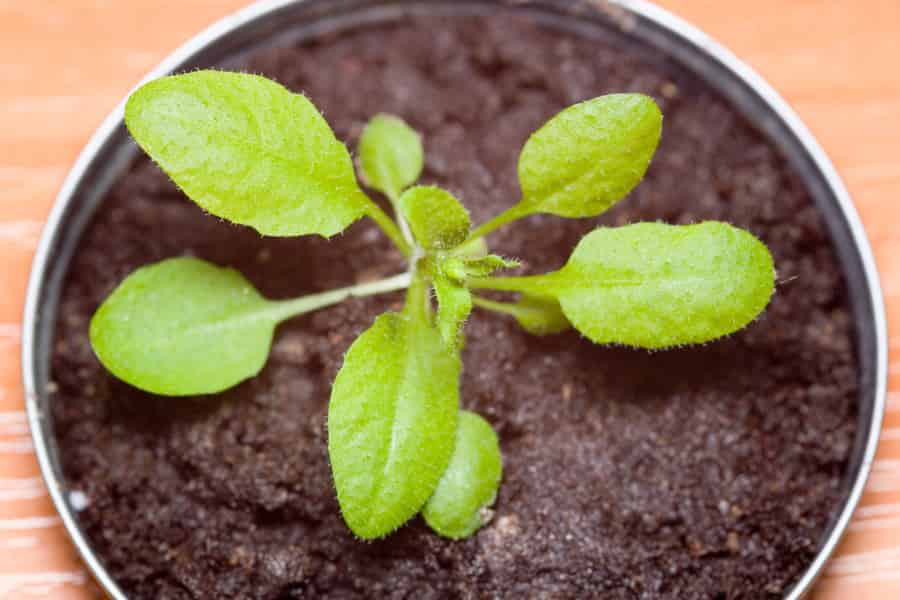



Gupta and colleagues studied how a lack of jasmonic acid in Arabidopsis plants impacts other plant hormones. They found that without jasmonic acid, levels of auxin, gibberellins, and salicylic acid decreased, while some types of cytokinins increased. This discovery sheds light on how plants regulate their growth.
The researchers used a special Arabidopsis plant that couldn’t make jasmonic acid. They measured hormone levels in these plants and compared them to normal plants. They also looked at which genes were active in both types of plants.
Interestingly, the plants without jasmonic acid had longer roots than normal plants. This shows that jasmonic acid usually limits root growth, possibly by interacting with auxin, another plant hormone that controls root development.
These findings build on previous research about how plant hormones work together. They show that jasmonic acid, which was mainly known for helping plants respond to stress, also plays a crucial role in everyday plant growth and development.
Gupta, A., Watanabe, Y., Van Ha, C. et al. Disruption in Jasmonic Acid Biosynthesis Influences Metabolism of Other Hormones in Arabidopsis. Journal of Plant Growth Regulation (2024). https://doi.org/10.1007/s00344-024-11446-0 ($)
ReadCube: https://rdcu.be/dSJBR