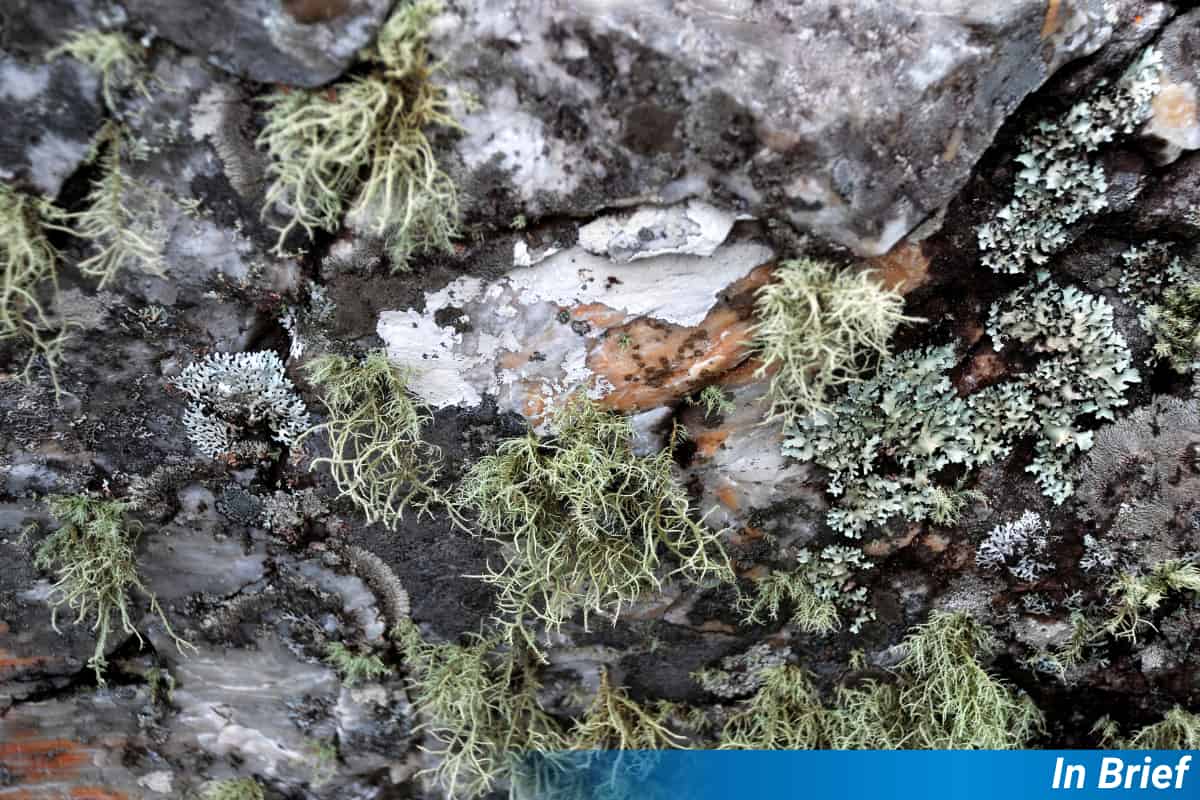


Biological soil crusts are communities of organisms that live in intimate interaction with the soil. These communities, also known as biocrusts, can be formed by a wide diversity of organisms, from bacteria and fungi to lichens and bryophytes. While they provide a myriad of ecological services, they remain poorly understood. In this study, Oliveira and colleagues provide the first taxonomic and ecological assessment of these communities in Brazilian rock outcrops.
The team collected and analysed over 100 samples from different rocky areas, including three different kinds of outcrops: ironstone, quartzite and limestone. These samples were examined under microscopes to identify the different types of organisms and species present. Additionally, they studied the soil chemistry and mapped different microhabitats where these crusts grow.
The researchers found 43 species of bryophytes and algae making up these living crusts, with mosses being the most diverse group. Notably, some species were only found on one outcrop type, suggesting each hosts its unique community of organisms. The authors suggest that such a pattern could result from their distinct soil characteristics and the kinds of microhabitats they offer.
While previous studies on biocrusts focused on desert communities, the study by Oliveira and colleagues shows that tropical areas also thrive in tropical areas. Therefore, these exciting findings pave the way for future studies on these communities’ diversity and highlight the importance of rock outcrop conservation.
Oliveira, M.F., Figueredo, C.C., Konell, A.H., & Maciel-Silva, A.S. (2024). A first evaluation of biological soil crusts diversity in three distinctive rocky outcrops in Brazil. Flora, 152613. https://doi.org/10.1016/j.flora.2024.152613 ($)