


The wood of living trees is Earth’s largest biomass reservoir storing 300+ gigatons of carbon. Yet, despite microbiome research being a hot topic, it’s gone largely unexplored. Now Wyatt Arnold, Jonathan Gewirtzman and other colleagues have published research on microbes inside living trees.
Using pencil-thin increment borers on 150+ trees across 16 species, researchers collected samples from trees with painstaking care. Then they spent over a year freezing, smashing, grinding and beating wood samples to develop a method that could provide the high-quality DNA required.
They found distinct communities in the wood. In the sapwood the microbes were aerobic, meaning they need oxygen. But deeper in the tree, in the heartwood, they found the microbes were happy without. These microbes are actively producing gases and cycling nutrients. “One of the things I found most interesting was how these microbiomes varied across different species,” said Arnold. “For example, sugar maples hosted a very different community than the one within pines, and these differences were consistent and conserved.”
The team plan further research to see how microbiomes vary across global regions and climates. “There is a massive reservoir of unexplored biodiversity — countless microbial species living inside the world’s trees that we’ve never documented,” says Gewirtzman. “We need to catalog and understand these communities before climate change potentially shifts them. Some of these microbes could hold keys to promoting tree growth, conferring disease resistance, or producing useful compounds we haven’t discovered yet.”
Research Source: Nature | https://doi.org/pz4k | Published August 6, 2025
Press Release: https://www.eurekalert.org/news-releases/1093846
Read free with ReadCube: https://rdcu.be/ezFNN
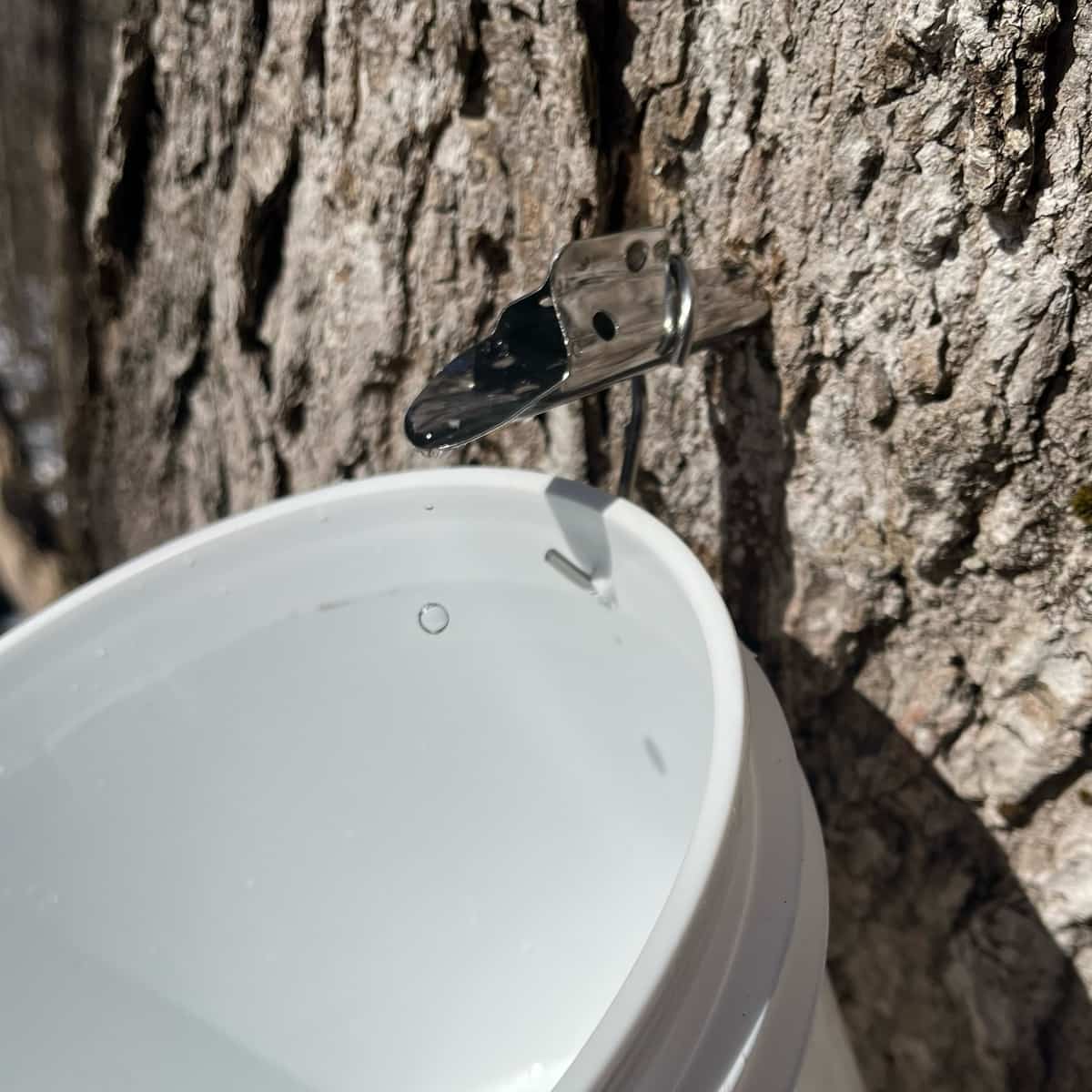
Cover image: It’s not just syrup you’ll find in a Sugar Maple. Acer saccharum, in the United States. Photo by oksanaetal / iNaturalist. CC-BY