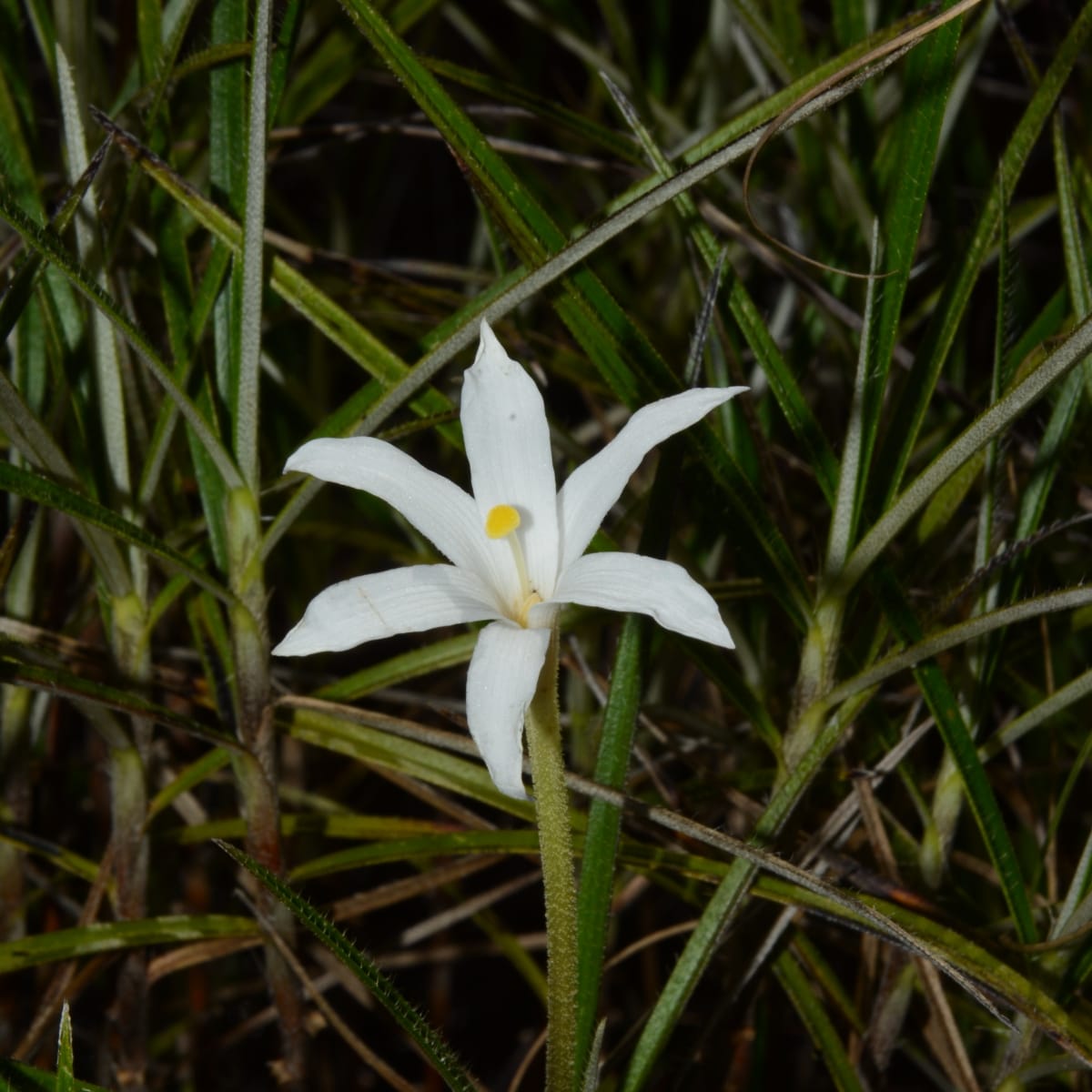


Brazil is a biodiversity hotspot: exceptionally rich in species, yet under serious threat. This tension is evident in its rocky outcrops, where some plants are confined to a single hill or plateau. Such restricted distribution makes them particularly vulnerable, because if the habitat changes, the plants cannot easily move elsewhere. Among the most distinctive plant families of these rocky landscapes is the Velloziaceae, which includes more than 200 species in Brazil, almost all found nowhere else on Earth.
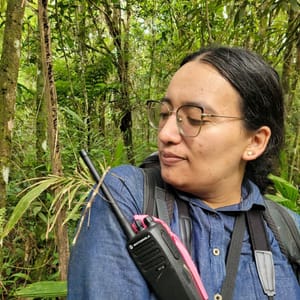
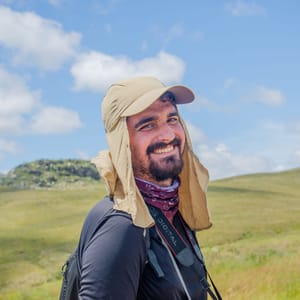
This remarkable family has long fascinated Brazilian botanists, including Bianca Schindler, a PhD student at the Universidade de Brasília, whose research focuses on improving our understanding of the Velloziaceae in Central Brazil and their conservation. Early in her PhD, as she reviewed all known records from the region, one species stood out: Vellozia sessilis. Not only was it classified as Endangered, but it was also known from just a handful of specimens. That raised a fundamental question. Was Vellozia sessilis genuinely rare, or had it simply been overlooked because it grows in hard-to-reach places? Without better data, efforts to protect this unusual plant risked missing the mark.
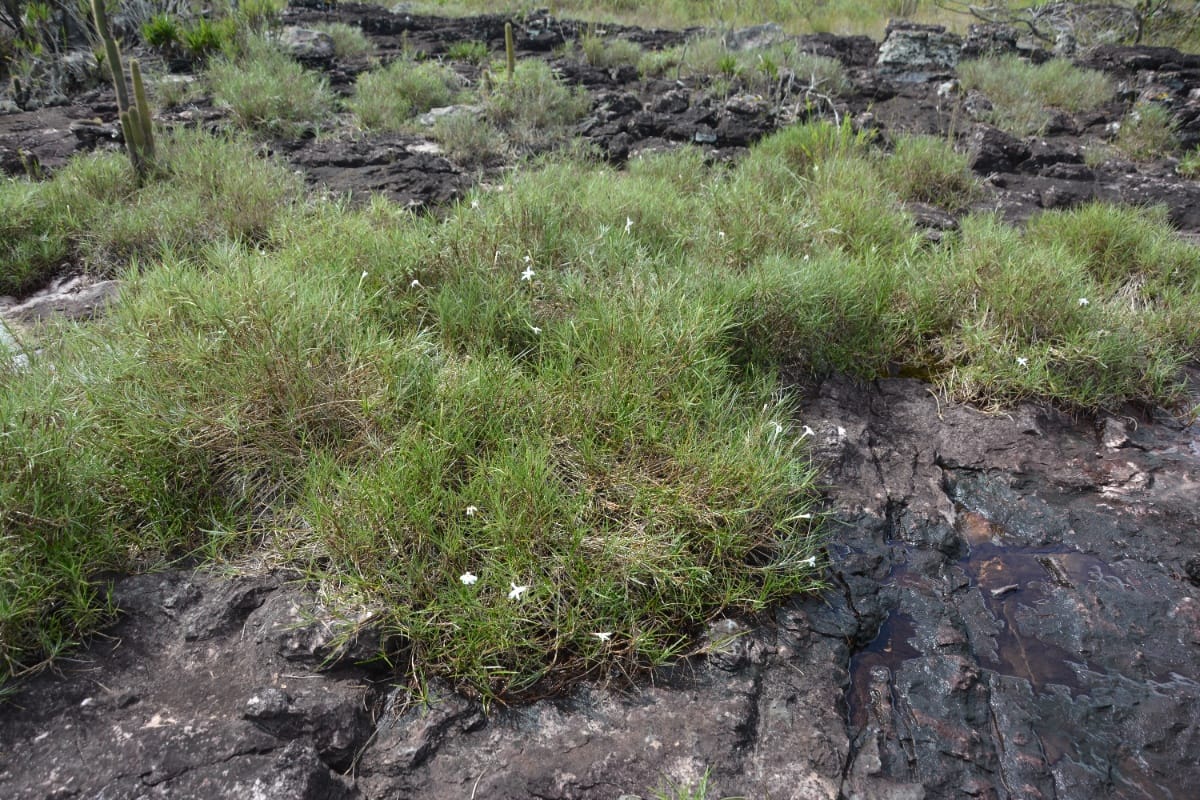
With this question in mind, Schindler and her colleagues embarked on a quest to the Chapada dos Veadeiros, the only location known for Vellozia sessilis. The goal? To revisit the areas where the species had been recorded, and to expand the search for similar-looking habitats where it might be found. For that, they used computer models to identify areas with similar topography, soil and climate that could host this species, which they then visited. Every time they found the species, they noted the surrounding rocks, soil, vegetation and signs of human disturbance, building a detailed picture of where the plant can survive.
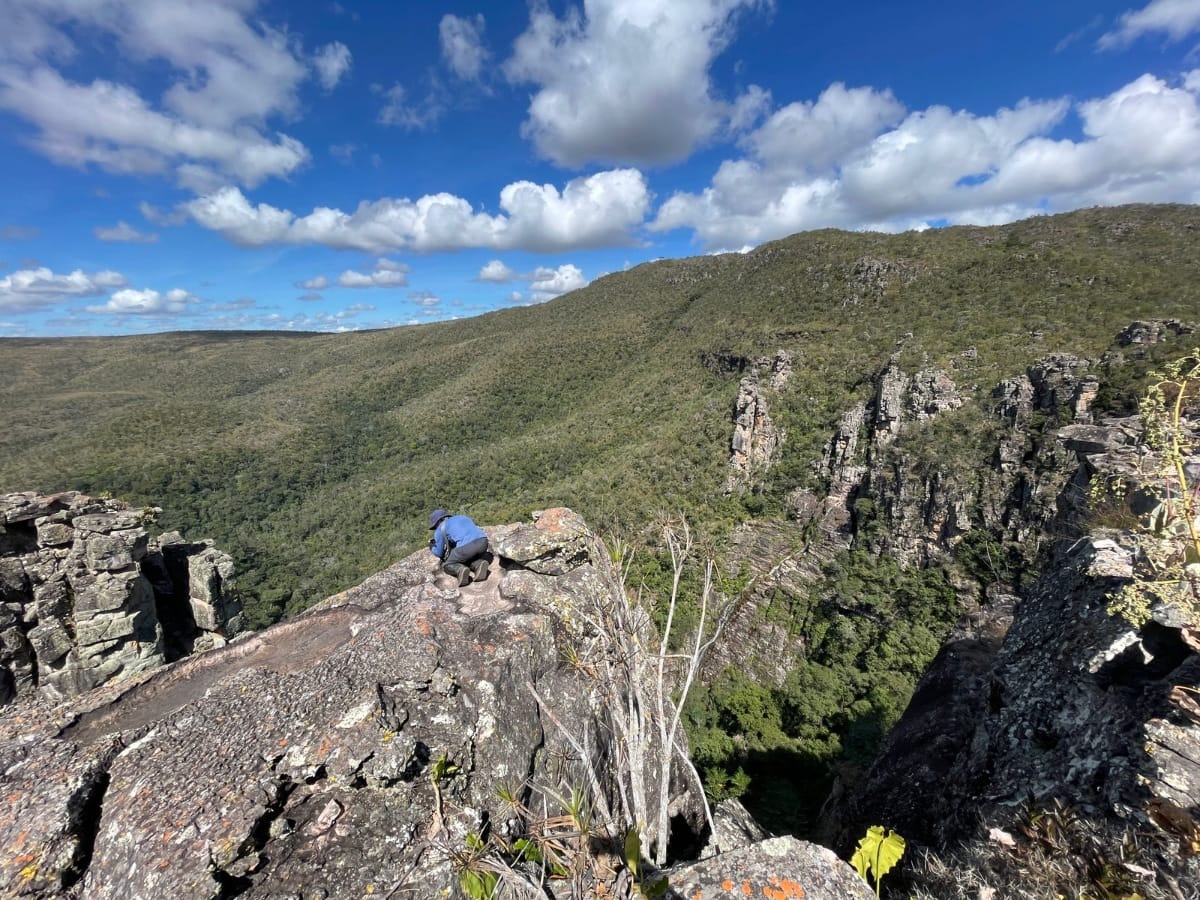
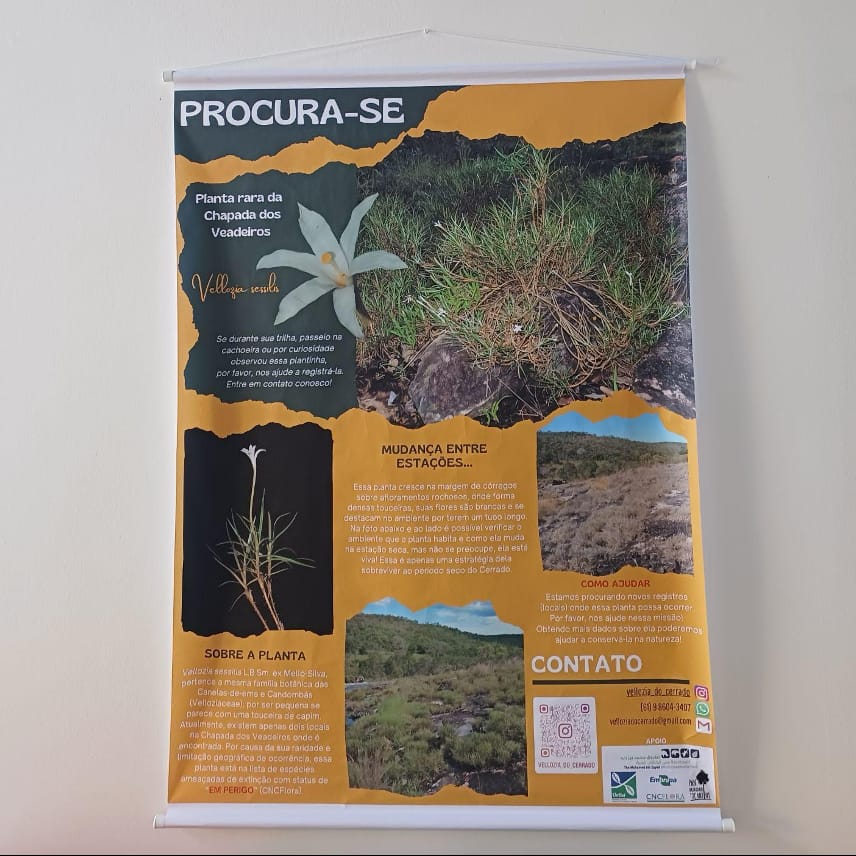
But the Chapada dos Veadeiros National Park covers more than 655 km2, so scientists alone cannot cover such vast and rugged terrain. They therefore turned to local guides, national park staff, residents and tourists and invited them to share photos and sightings through social media and noticeboards. According to Schindler, this was a “very rewarding experience.” In an interview for Botany One, she commented that the team was unsure about the reach and level of engagement they could achieve. They shared information about the study through an Instagram page, displayed a physical poster at the Chapada dos Veadeiros National Park entrance, and, most importantly, disseminated the project through local WhatsApp groups, which proved to be the fastest and most effective way to reach people.
“Both I and the other members of the research team were positively surprised by the level of interest and readiness to help. We received numerous messages with photographs, which sometimes led to confusion, since other white-flowered Vellozia species occur in the region. However, this also created valuable opportunities to explain the richness and diversity of the genus, and many people were genuinely surprised to learn how many different Vellozia species exist.”
Altogether, these efforts allowed the researchers to identify four new populations of the species, with two of these being discovered by a local tour guide and a local botanist. This showed how public involvement can make a real difference in tracking down rare plants in the wild. In the end, the team confirmed that, while not as rare as once thought, Vellozia sessilis’ world remains very small. The species inhabits specific quartzite outcrops high in the mountains of Chapada dos Veadeiros, always above 1,000 metres. The plant thrives on outcrops near seasonal streams, where water is available for part of the year but never in excess. This strong ecological specialisation helps explain why the species is so rare and why finding new populations is harder than expected.
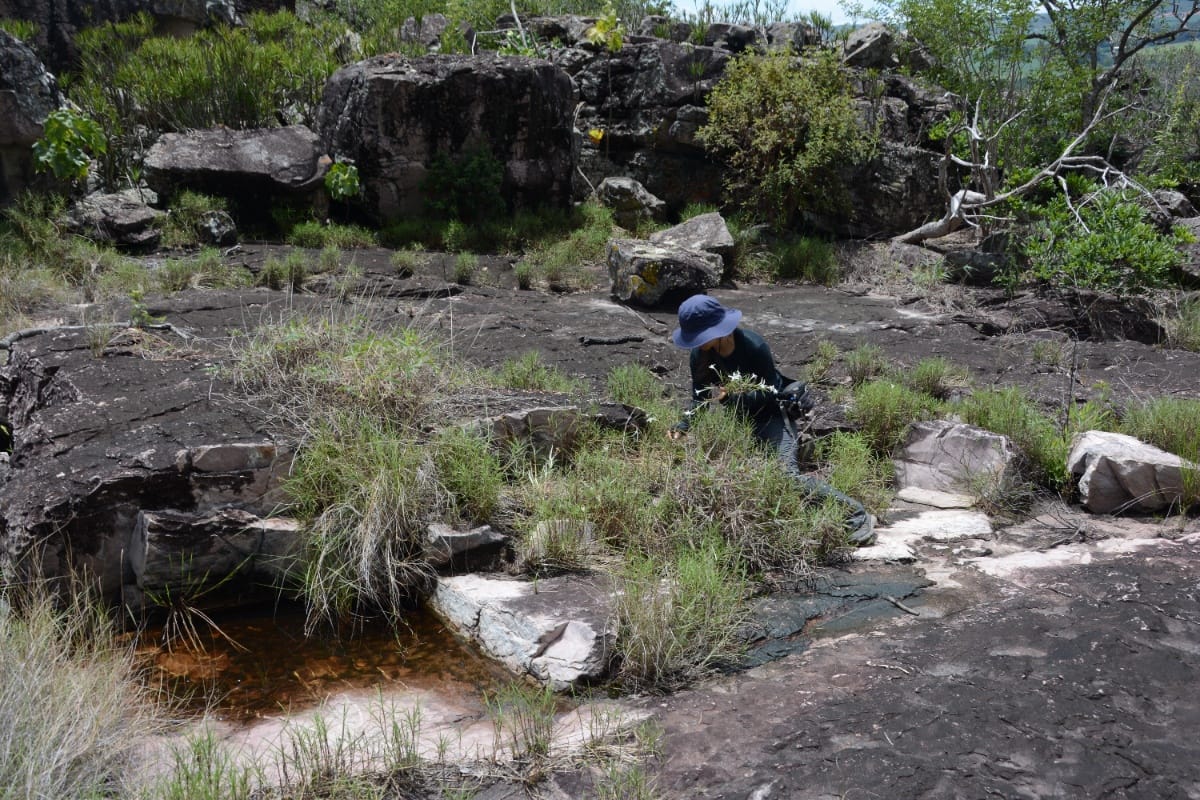
Survival in these harsh environments is possible thanks to special tricks. Vellozia sessilis can tolerate extreme drying, essentially pausing its metabolism during drought and restarting when water returns. Its seeds may also spread in two ways: falling close to the parent plant in the dry season, or being carried short distances by flowing water when the rains arrive. These strategies help it persist locally, but they also limit how far it can spread, keeping its range tightly constrained.
Conservation, however, is not just about mapping plants. The research team found that invasive grasses, tourism, farming and wildfires are creeping closer to the populations, threatening to degrade what little habitat remains. Fires are especially worrying, as invasive grasses can fuel hotter, more frequent burns that kill adult plants. Climate change may make matters worse, as rising temperatures leave nowhere higher or cooler for the species to escape. Together, these findings suggest that the species should remain classified as Endangered, and that conservation strategies are urgently needed.
As a potential conservation strategy, the authors aimed to evaluate whether seed banks could act as a backup if wild populations decline. Good news: the seeds of Vellozia sessilis can be dried and stored safely in seed banks, buying some time against extinction.
Perhaps most importantly, the work highlights how combining field ecology, laboratory science and public participation can protect not just a single rare plant, but whole communities of threatened species. Regarding this, Schindler says that “engaging with as many people as possible who have expertise in the field is essential, as these exchanges often generate new ideas and innovative approaches. In the case of our study, we achieved very positive results despite working with modest resources, particularly through citizen science initiatives and simple approaches such as seed germination experiments.” This kind of joined-up approach could help inspire future conservation efforts, preventing the loss of such unique species and the landscapes they depend on.
READ THE ARTICLE:
Schindler B, Figueira M, Noronha SEd, Matias RAM, Alves-da-Silva D, Simon MF. 2025. From the field to the laboratory: a multidisciplinary approach to conserving the microendemic Vellozia sessilis in Chapada dos Veadeiros, Brazil. Annals of Botany. https://doi.org/10.1093/aob/mcaf244
Cover picture: Vellozia sessilis by Bianca Schindler.