


This week I’m be marvelling how, even on a Sunday Monday, I can get behind where I want to be with work. As far as I can tell from here, the switch from Buttondown to WordPress went ok. If you’re signed up to the email list, and you receive this, then that’s the second part of the migration successful. The reason behind this was to reduce my workload and make life easier. If this works, I’ll not be writing the introduction at midnight next week.
The aim in the longer term is to have all these newsletters on the website, and you can see the currently archived newsletters here. They also act as a contents page, of a sort, of the last week for people visiting the home page of Botany One. My next project will be revising the Bluesky feeds to make them a little more effective.
You’ll find options at the bottom of the email for unsubscribing, if you’d like to do so. If you’d like to receive this as an email in your inbox on a Monday, then you can sign up from the Week in Botany webpage, by scrolling to the end of the post and entering your email address, then choosing to only receive emails connected to the Week in Botany. You can receive every post as it happens if you like, but some weeks that could be a lot of posts.
There will be another email of the papers and the news stories you’re sharing on Mastodon and Bluesky at the same time next week. Until next time, take care.
Alun (webmaster@botany.one)
On Botany One
Indonesia’s Secret Spice Collection
When scientists ventured into the backyards of Indonesian families, they discovered something remarkable hiding behind everyday cooking. Smallholders in Aceh are stewards of a complex ecosystem of 24 wild spice varieties that most of the world has never heard of.
Hotter days, smoker skies, quieter fields
As the wildfire burns and sunlight fades, nature’s duet between bees and flowers is starting to sound like a breakup song.
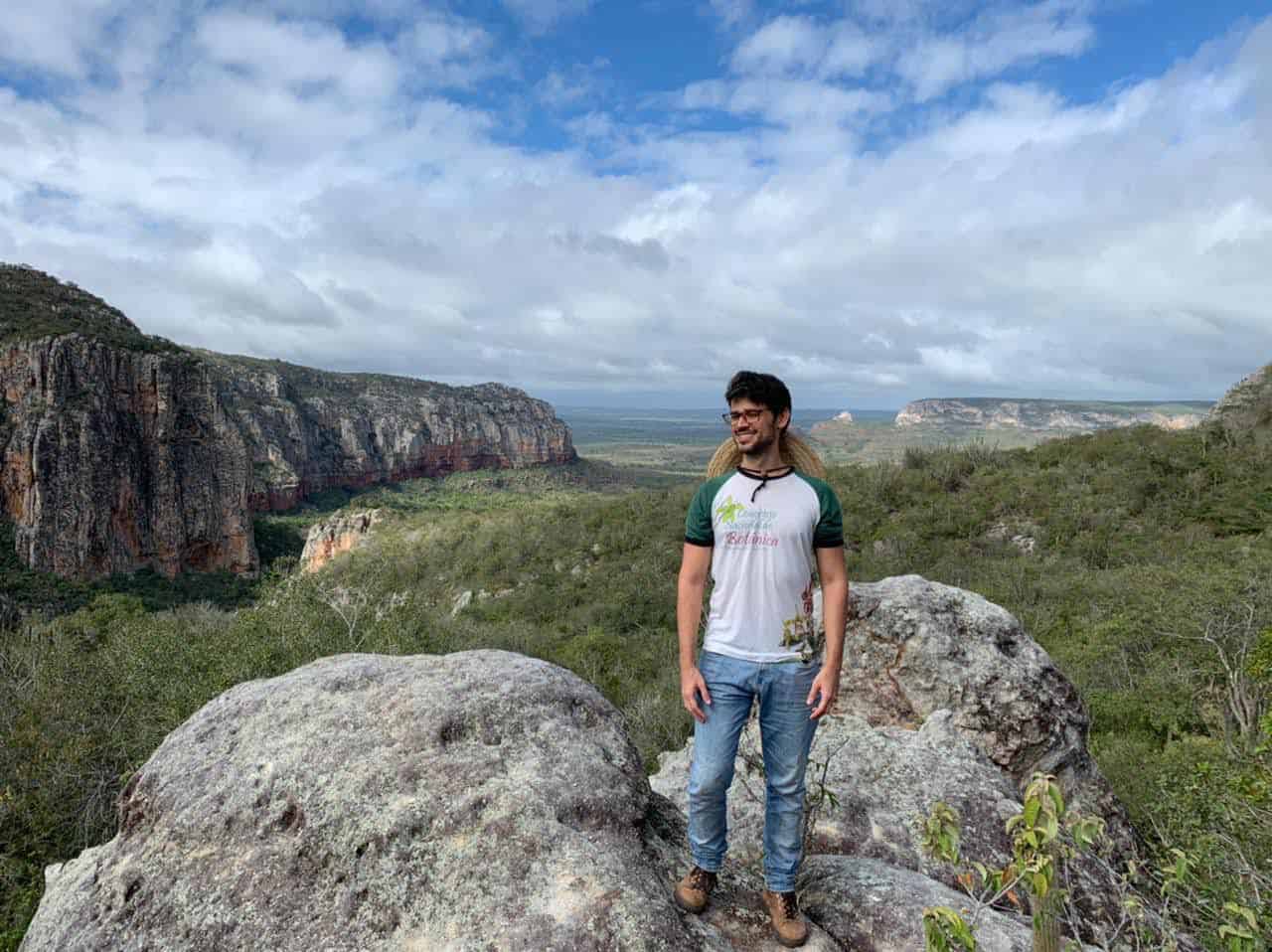
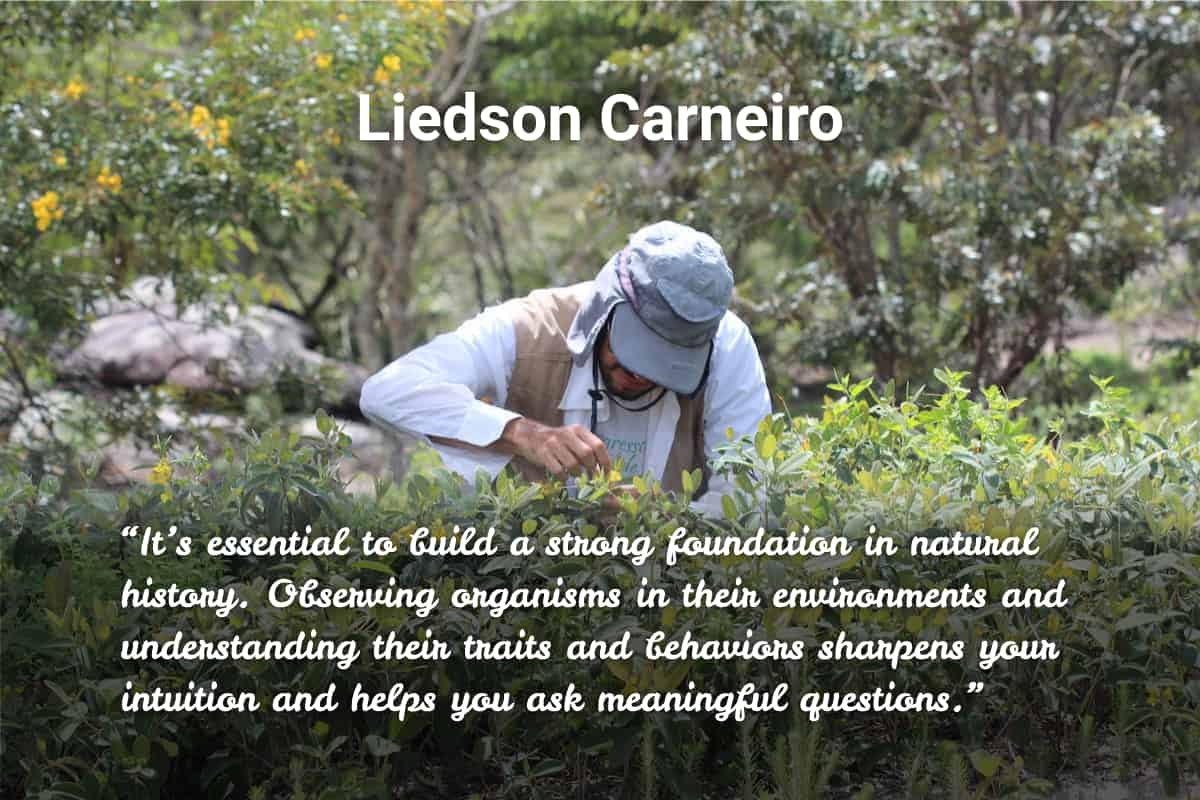
Liedson Carneiro: From Flowers to Networks
Botany One interviews Dr Liedson Carneiro, a pollination ecologist fascinated by plant–pollinator interactions and how these relationships sustain ecosystem function.
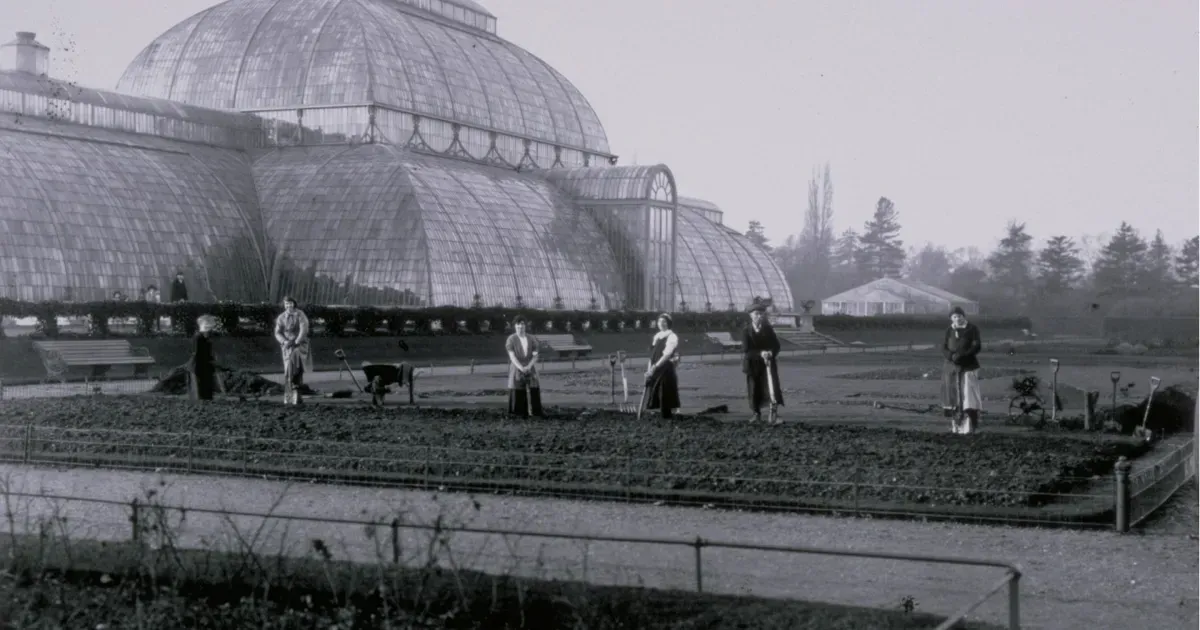
Unearthing the Botanical Legacy of the First World War
Long-forgotten flora collected during WWI are finally telling their stories, thanks to a 21st-century digital revival.
Unveiling Herbivorous Dinosaur Diets Through Calcium Clues
By analysing calcium isotopes in dinosaur teeth, researchers have revealed the feeding habits of Jurassic herbivores, shedding light on how they coexisted.
…and last’s week’s Week in Botany with Juliane Ishida on her work with parasitic plants, how poor timing can spur flower evolution and a carnivorous plant that will you have your hand off, if you have tiny hands.
News & Views
Innovative Neurodiversity e-learning now available
The John Innes Centre has launched Neurodiversity e-learning resources that are now available to anyone. By popular demand, an introduction to Neurodiversity, and a module designed to help managers support Neurodiverse teams and individuals, are available at: www.jic.link/elearning
Sometimes, I love to lose an argument
As a grad student, I loved to argue, about almost anything (mostly over beer). I avoided arguing with my PhD advisor though – mostly out of my knowledge that he was pretty famous, as ecologists go, and the related but less well-founded conviction that that meant he must be right about pretty much everything.
Unyoke the Sciences From the Humanities
A Yale professor argues “scientists… are being punished for the sins of [humanities scholars] because we all live under one roof. I cannot see a compelling reason for our continued cohabitation.” Included because it was shared a lot with Opinions. I won’t share mine, nor will I when next month The Dispatch publishes, Unyoke the Sciences From Climate Change / mRNA research / GMO research or whatever the next bogeyman of the US Government is.
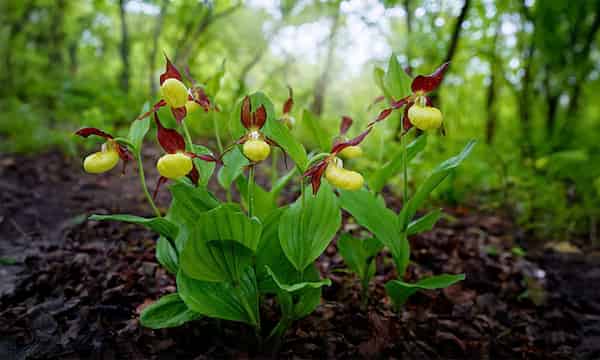
Orchids Thrive Among the Dead
Cemeteries are a gravely overlooked habitat for wild orchids in Europe.
Scientists’ role in defending democracy
The US scientific community can preserve science and defend democracy by building alternative institutions outside of government.
NASA’s acting chief calls for the end of Earth science at the space agency
NASA’s charter clearly states the agency should study planet Earth, however.
Why would anyone want to be a scientist?
It is difficult to fathom why anyone intelligent enough to be a scientist would actually choose to be one. Doing good science requires the utmost exertion of body, mind and spirit, yet is consistently filled with failure and rejection. But, strange even to myself, I not only don’t question the unfavorable risk-to-reward ratio but consider myself astonishingly lucky to be a scientist.
Magic mushrooms: how scientists discovered fungi are the secret ingredient for restoring the world’s forests
Healthy fungal networks help trees and plants grow, making them key to successful reforestation. The only problem? Almost nothing is known about this subterranean ecology.
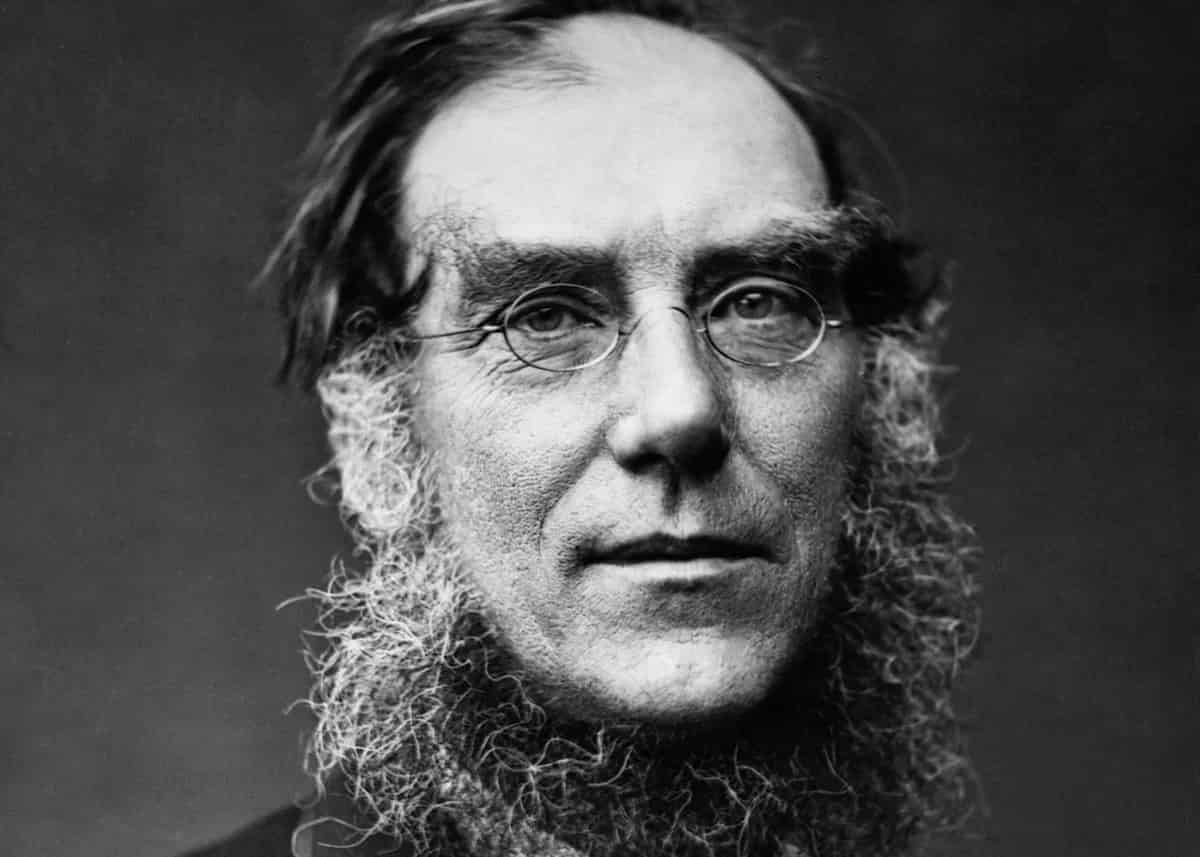
He scaled Tibetan peaks, braved wild jungles and helped Darwin shake up science — all in a day’s work for this globe-trotting Victorian plant hunter
Celebrate the life of the greatest botanist of the Victorian era, Joseph Dalton Hooker, born 200 years ago this summer and who sailed the world seeking new forms of plant life.
Homeowner shares stunning before-and-after photos of dramatic landscaping transformation: ‘Absolutely incredible’
“Once you see results, it’s addictive!”
This Week in Botany
5 Years Ago: Express delivery – seed dispersal by gopher tortoise
10 Years Ago: Plants flex their muscles… [or, Onion feeling the pinch…?]
15 Years Ago: Don’t Be So Cerebral?
Scientific Papers
Mentorship and acts of kindness (FREE)
As the inaugural recipient of the Genetics Society of America Mentorship Award, Gaut is being recognized for the mentorship of PhD students and postdocs in his lab and for being a dedicated advocate for mentees as an administrator at University of California, Irvine and as president of SMBE where he helped implement an impactful child support policy for conferences. This award also recognizes Gaut’s commitment to fostering an inclusive environment and work–life balance for his students.
Ancestral P-body proteins rewired for autophagic recycling in the early land plant Marchantia polymorpha (FREE)
Processing bodies (P-bodies) are conserved ribonucleoprotein (RNP) granules central to RNA metabolism across eukaryotes. Although the mechanisms underlying their assembly are well understood, the pathways governing their selective turnover remain unclear. Abdrakhmanov et al identify the conserved decapping proteins EDC4 and DCP1 as a selective autophagy receptor pair responsible for P-body turnover in the early land plant Marchantia polymorpha.
Genetic variation at transcription factor binding sites largely explains phenotypic heritability in maize (FREE)
Engelhorn et al report the construction of a pan-cistrome of the maize leaf under well-watered and drought conditions. They quantified haplotype-specific TF footprints across a pan-genome of 25 maize hybrids and mapped over 200,000 variants, genetic, epigenetic, or both (termed binding quantitative trait loci (bQTL)), linked to cis-element occupancy.
Foliar mRNA spray induces protein synthesis in monocot crop and dicot model plant species (FREE)
In planta gene expression via exogenous mRNAs has a wide range of potential biotechnological applications from genome editing to plant protection and to circumventing tissue culture. Yet, regarding mRNA delivery into intact plant cells, the purity, stability and translational efficiency of exogenous mRNAs appear as obstacles for effective exogenous mRNA application. Uslu et al’s study investigates the potential of exogenous mRNAs in mediating protein synthesis in plant cells.
Engineering the plant circadian clock for latitudinal adaptation as a strategy to secure agricultural productivity on a changing planet (FREE)
Gerhardt and Mehta argue that rapid latitudinal adaptation of crops in the future is possible via the targeted engineering of morning-, afternoon-, and evening-expressed circadian regulators in crop plants with distinct phenologies. We envision a latitudinal breeding pipeline incorporating knowledge from multi-location crop population genomics studies and harnessing gene editing and synthetic biology to rapidly prototype climate-smart varieties and speed up the de novo domestication of crop wild relatives.
Procrustean pseudo-landmark methods in Python to measure massive quantities of leaf shape data (FREE)
When examining leaf shapes that are different from one another, it can be difficult to compare both the overall leaf shape and points along the leaf margin in biologically and statistically meaningful ways. To address this problem, Hightower et al present a simple and user-friendly leaf shape analysis in Jupyter Notebook and Python that uses pseudo-landmarks and Generalized Procrustes Analysis to measure and compare the shape of any leaf. To demonstrate our analysis, they created a repository of real leaves gathered from eight experimental datasets.
Immune cell states: Critical building blocks of the plant immune system (FREE)
Plant immunity emerges as cells, normally dedicated to non-immune functions, transition their states through diverse mechanisms to engage in defense roles. Tatsuya Nobori explores the concept of plant immune cell states, their biological significance, and emerging approaches to study them, highlighting the complex cellular basis of plant-microbe interactions.
Engineering crop flower morphology facilitates robotization of cross-pollination and speed breeding ($)
Xie et al developed a crop-robot co-design strategy in tomatoes by combining genome editing with artificial-intelligence-based robots (GEAIR). They generated male-sterile lines bearing flowers with exserted stigmas, and then trained a mobile robot to automatically recognize and cross-pollinate those stigmas. GEAIR enables automated F1 hybrid breeding with efficiency comparable to manual pollination and facilitates the rapid breeding of stress-resilient and flavorful tomatoes when combined with de novo domestication under speed-breeding conditions.
Lab to field: Challenges and opportunities for plant biology ($)
Plant-microbe research offers many choices of model and strain and whether a field-first or lab-first approach is best. However, differences between laboratory studies, offering control and repeatability, versus field experiments, revealing ecological relevance and environmental effects, should not be seen as failure but motivate further inquiry and allow complementary discovery.
Linalool-triggered plant-soil feedback drives defense adaptation in dense maize plantings ($)
Maize plants emit a volatile gas called linalool, which can influence the growth and development of neighboring plants. Guo et al. found that at high planting densities, high linalool concentrations triggered neighboring plants to release benzoxazinoids into the soil. These compounds cause the soil microbiota to change composition, with knock-on effects for plants that are subsequently grown there. The altered microbiome enhances defense responses to herbivores but reduces plant growth.
In AoBC Publications
- Convergent evolution of the developmental anatomy of leaf abscission: evidence from the arboreous lycopsid Sigillaria (FREE)
- Broad environmental adaptation is associated with root anatomical phenotypes in maize landraces: An in silico study (FREE)
- Root mucilage enhances plant water use under combined soil and atmospheric drought (FREE)
- Locating the microbes along the maize root system under nitrogen limitation: a root phenotypic approach (FREE)
- Rice cycles between drought and well-watered-adapted phenotypes by changing lateral root formation (FREE)
Careers
Note: These are posts that have been advertised around the web. They are not posts that I personally offer, nor can I arrange the visa for you to work internationally.
PhD studentship (funded) : Modification and developmental control of leaf surface wettability in floating aquatic plants, Exeter
Free-floating duckweeds and water ferns are highly successful, fast-growing, invasive pond plants. Despite their diversity in leaf size, shape and surface texture, all species have an astonishing ability to self-right when flipped over. Preliminary data indicate that drastic differences in surface wettability between the upper (water-repellent) and lower (fully wettable) leaf surfaces are crucial for self-righting. This fully funded 4-year PhD project takes a multidisciplinary approach to unravel the morphological, biochemical and genetic underpinnings of leaf wettability, thereby paving the way for novel approaches to sustainable, pesticide-free pest control in agriculture.
(Senior) Scientist (m/f/d), Graz
The University of Graz is looking for someone conducting research in the field of plant molecular biology and genetics, with a focus on the molecular control of cytokinin activity in plant development. The deadline is extremely tight.
PhD on Modeling soil processes/functions at the field scale in regenerative agriculture, Wageningen
Are you a highly motivated and enthusiastic individual with a strong background in process-based modeling, data analysis, and soil sciences? Do you want to participate in a large-scale project aimed at helping the Netherlands transition to regenerative agriculture?
Postdoc Co-Creation and Impact Monitoring of Digital Support for Sustainable Farming Practices, Wageningen
Are you a transdisciplinary researcher with an interest in the role of digitalization to support small and medium farmers in transitioning to more sustainable food production? Do you want to work on designing a systematic approach to tailor digital advice to farmers’ needs and measure impact?
PhD position in Biology, Alnarp
This project is in the research field of applied evolutionary ecology, aiming at understanding ecological and evolutionary processes that may be relevant for the development of sustainable plant protection. Specifically, the thesis work will be devoted to study ecological consequences following pesticide resistance evolution in the green-veined white, Pieris napi. The project will include fieldwork, experimental evolution and behavioural studies that involves different trophic levels. The practical work also entails cultivation and rearing of plants, butterflies and parasitoids, sampling for chemical and molecular analyses, as well as lab work with pesticides and antibiotics.
Associate Senior Lecturer (Assistant Professor) in landscape architecture with a focus on soil-plant systems for urban conditions, Alnarp
The subject covers soil-plant systems for an urban context with a focus on the ability of different substrates to offer a good and sustainable biotope, as well as supporting biodiversity and the delivery of ecosystem services. The research area has the potential to range from soil structures, quality of constructed soils, to soil formation and development of microbial communities.
PhD position in alpine and arctic plant ecology, Basel
The successful candidate will focus their research on analysing temporal trends of the rarity of plant species and the biotic homogenization of plant communities in alpine and arctic ecosystems. They will combine their own field observations in the European Alps and the Arctic with a novel microclimatic dataset and a large Europe-wide database comprising re-surveys of historical vegetation data since the middle of the 19th century.
Research Fellow (Seed Science), Perth
The University of Western Australia is looking for someone to develop and expand research and postgraduate programs in conservation and restoration native species seed science, relevant to improving outcomes for biodiversity conservation and restoration.