annals-of-botany
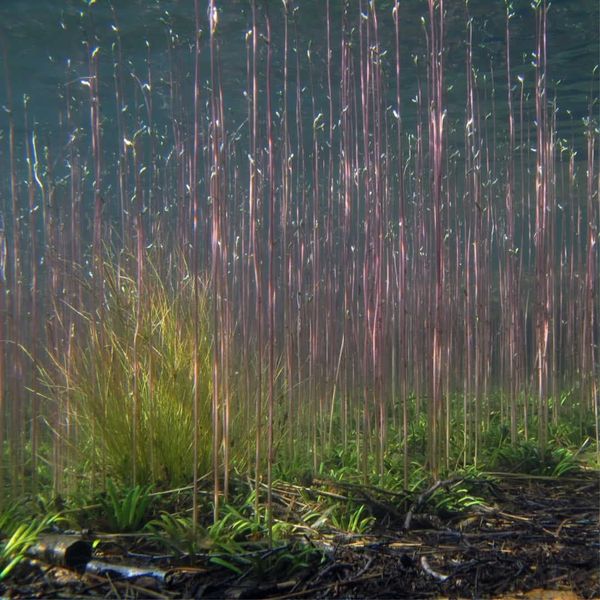
CO2 and O2 dynamics in aquatic C3 or CAM plants
Pedersen et al. describe a new amperometric CO2 microsensor and an O2 microsensor elucidated the dynamics in leaf pCO2 and pO2 during light–dark cycles for

annals-of-botany
Pedersen et al. describe a new amperometric CO2 microsensor and an O2 microsensor elucidated the dynamics in leaf pCO2 and pO2 during light–dark cycles for
annals-of-botany
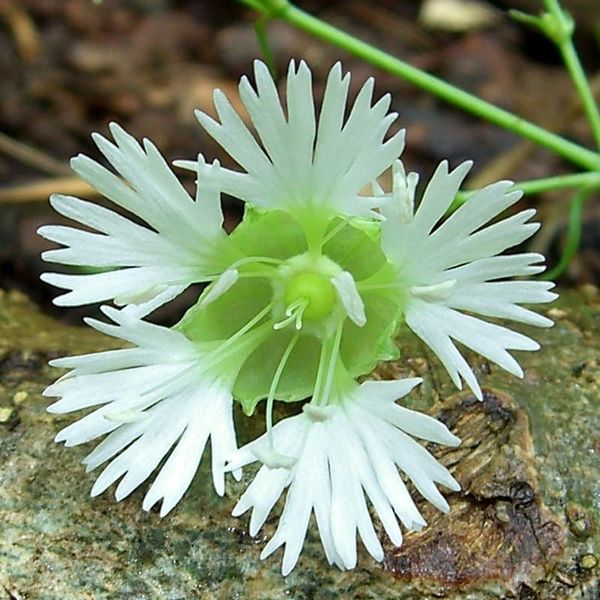
Many species exist on isolated habitats connected by dispersal of individuals. The evolutionary dynamics between two interacting species can be strongly influenced by the difference in
annals-of-botany
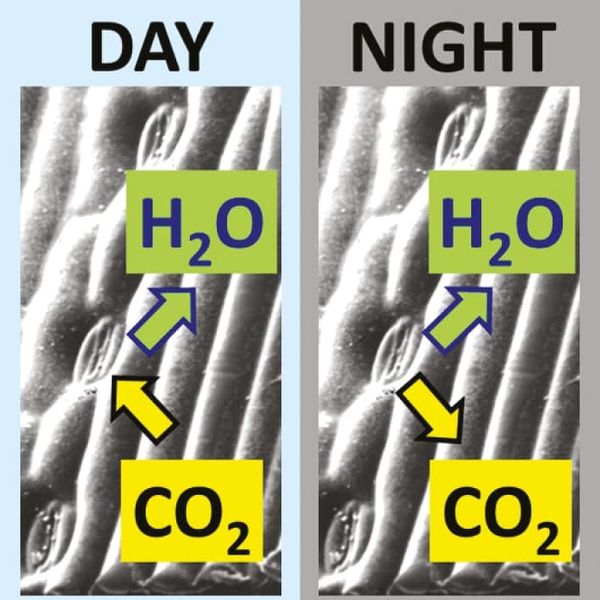
Night-time transpiration accounts for a considerable amount of water loss in crop plants, yet its biological function, regulation and response to salt stress are poorly
AoB PLANTS
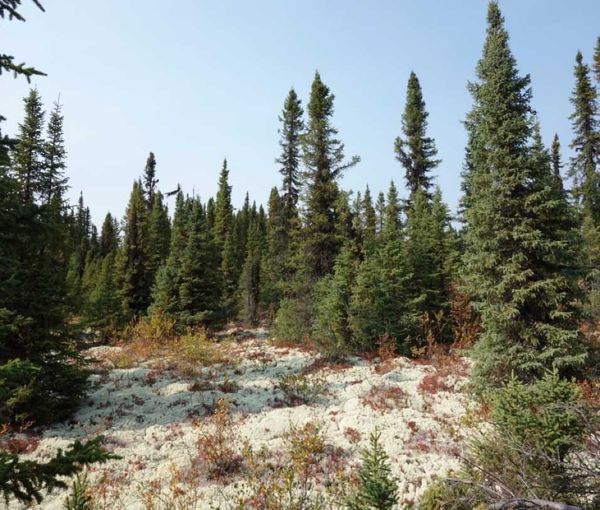
Knowledge of plant architecture allows for the retrospective study of plant development, and through modelling and simulation this development can be linked to environmental constraints and
annals-of-botany
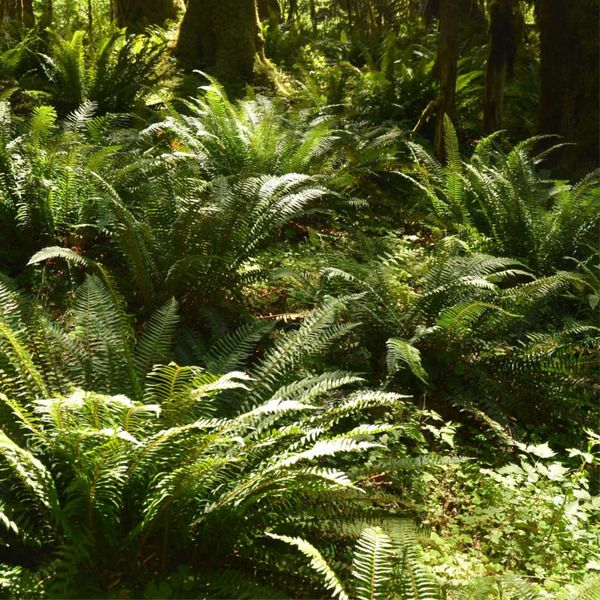
Fern leaves have surface coatings sealing them against dehydration. However, it is not clear whether wax compositions vary among fern species, and among ferns and seed
annals-of-botany
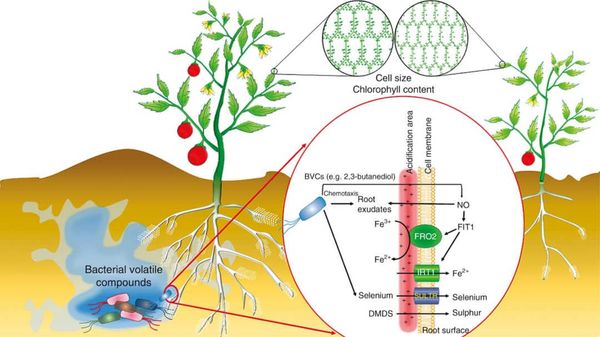
We know that plants produce volatile organic compounds (VOCs) for a variety of reasons. One obvious example is a perfume to attract pollinators, but they’re
annals-of-botany
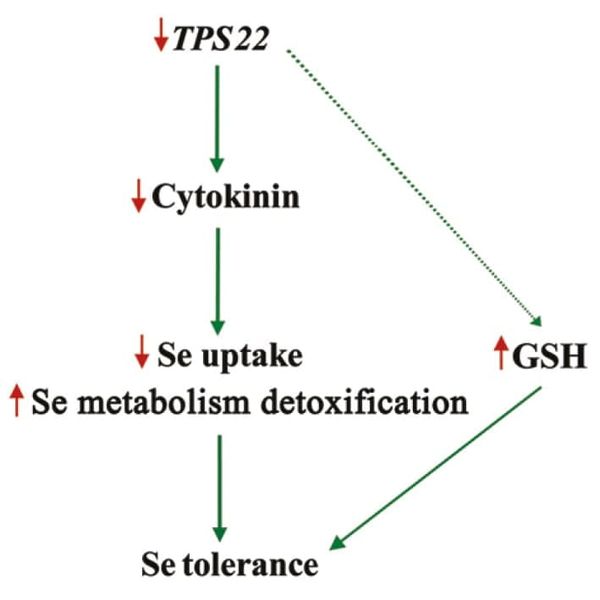
Excess selenium (Se) is toxic to plants; however, relatively little information is known about the regulatory mechanism of plant Se tolerance. Jiang et al. report a
annals-of-botany
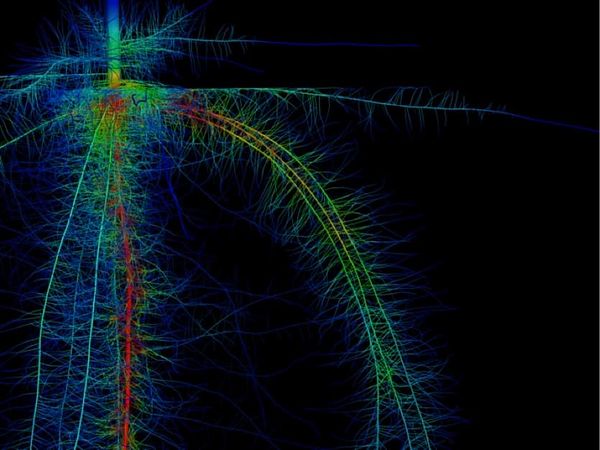
Rangarajan et al. employ the functional–structural model SimRoot to explore how interactions among architectural phenes in common bean, Phaseolus vulgaris (Fabaceae) determine the acquisition of
annals-of-botany
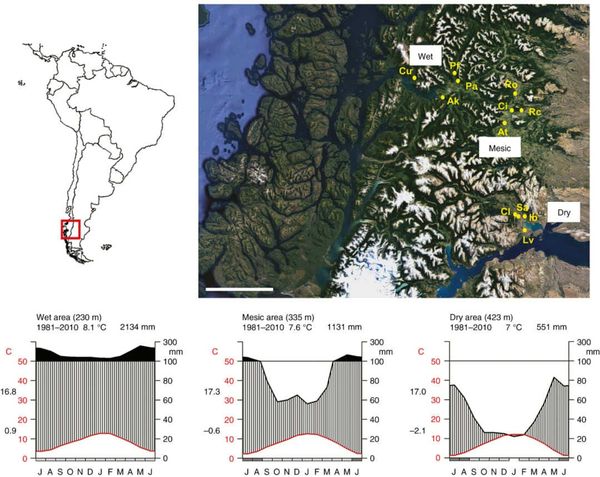
Generalist tree species growing across broad climatic gradients pose an intriguing question about how they can deal with such strong variations in climate. Studying the conductive
annals-of-botany
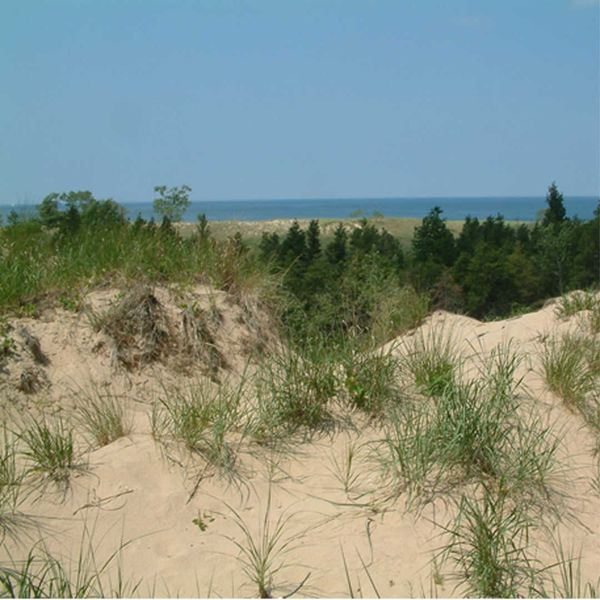
The role of fine-scale habitat heterogeneity on within-population genetic divergence is studied in North American Arabidopsis lyrata (Brassicaceae) inhabiting a sand dune landscape. Wos
annals-of-botany
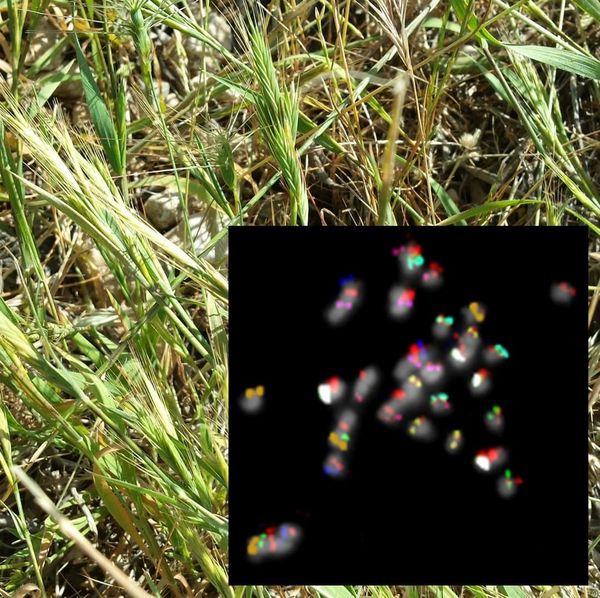
The Brachypodium (Poacea) genus is a useful model system for studying grass genome organisation. Its key representative B. distachyon is well characterised at the cytogenetic and
AoB PLANTS
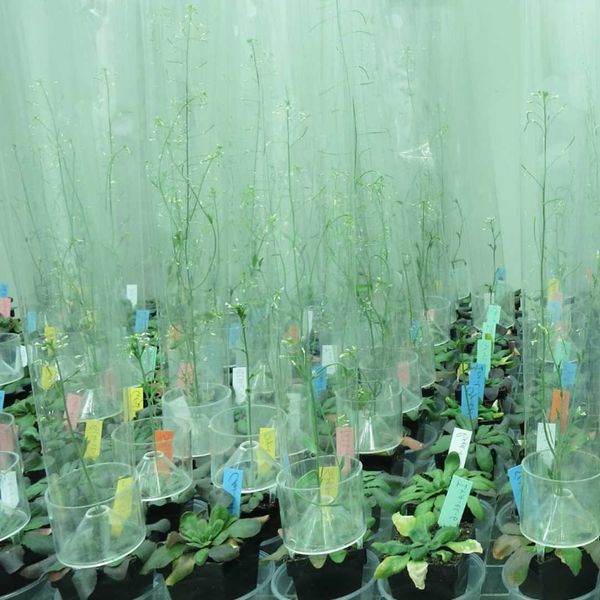
Climate change will not only mean warmer temperatures but also stronger temperature fluctuations. Phenotypic plasticity could help plants to deal with negative effects of temperature variability