annals-of-botany
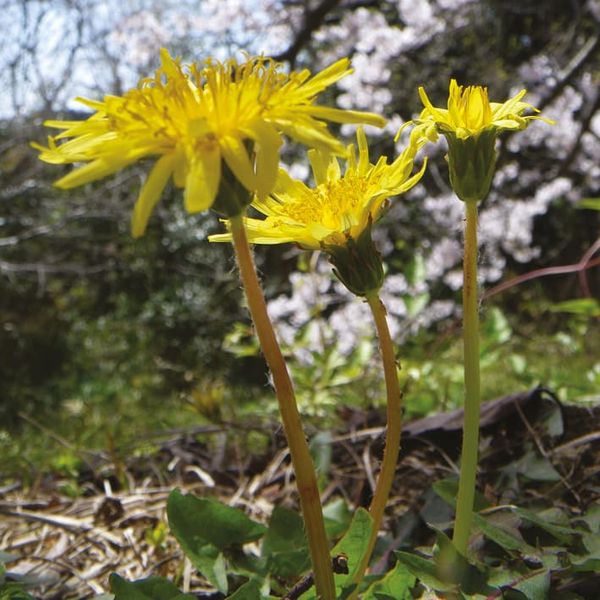
Mechanisms of reproductive interference in Taraxacum
Reproductive interference can reduce fitness of either of the involved species, and its ecological and evolutionary consequences may depend on its underlying mechanisms.

annals-of-botany
Reproductive interference can reduce fitness of either of the involved species, and its ecological and evolutionary consequences may depend on its underlying mechanisms.
annals-of-botany
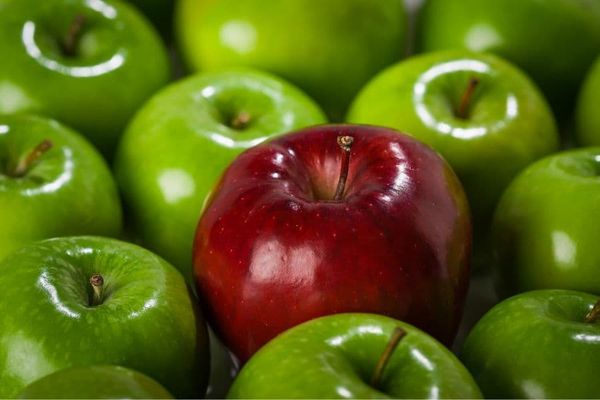
Botanists find a clear trade-off between fruit size and phytochemical production, helping to explain why our modern varieties are highly susceptible to diseases and pests.
annals-of-botany
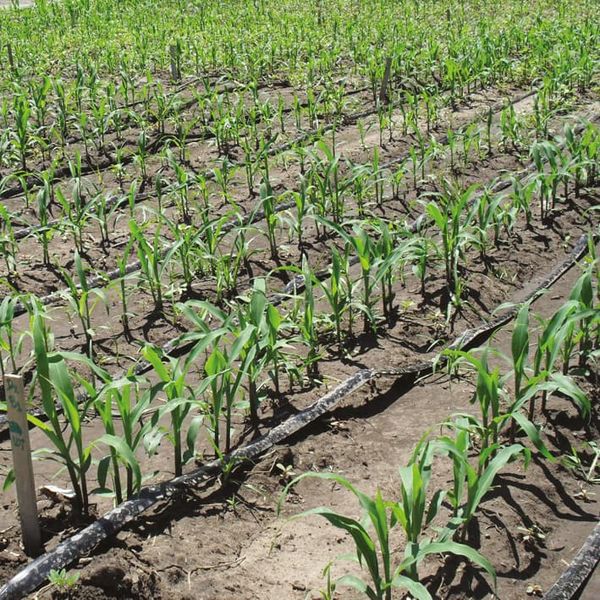
Phytochrome B is a photoreceptor that controls plant plasticity and resource partitioning. Little is known about its impact on maize crops.
annals-of-botany
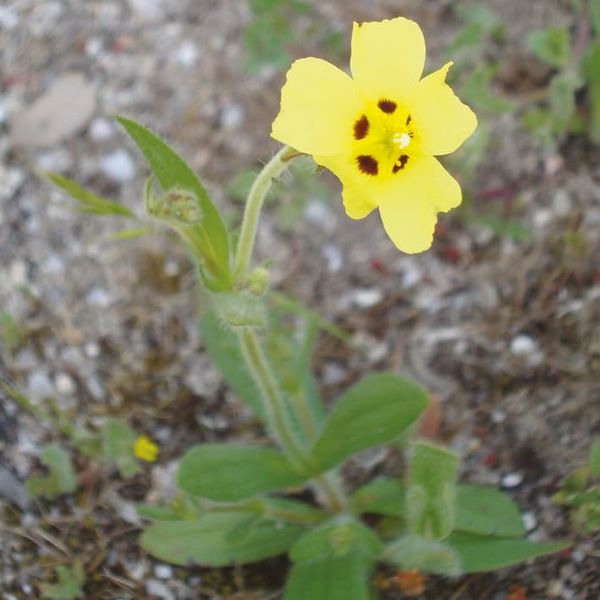
The consequences of delayed selfing by reproductive assurance for selection on flower size in mixed-mating species is relevant to understand the evolution of plant breeding systems.
annals-of-botany
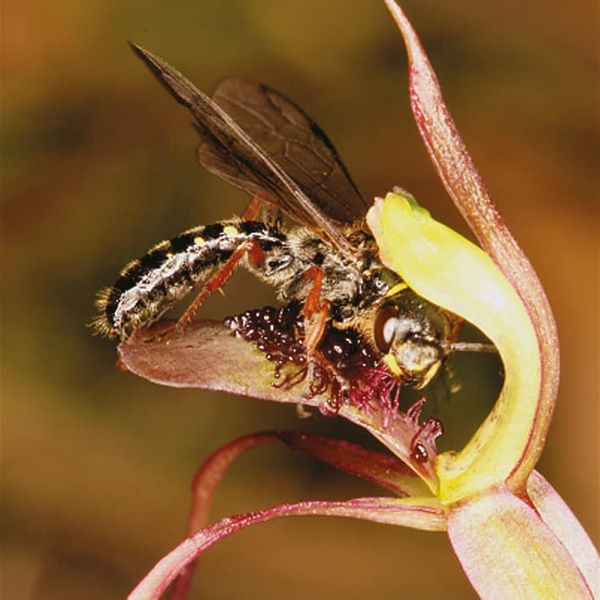
Selection on duplicated plant volatile genes is thought to have enabled the evolution of floral volatiles crucial to plant-insect interactions.
annals-of-botany
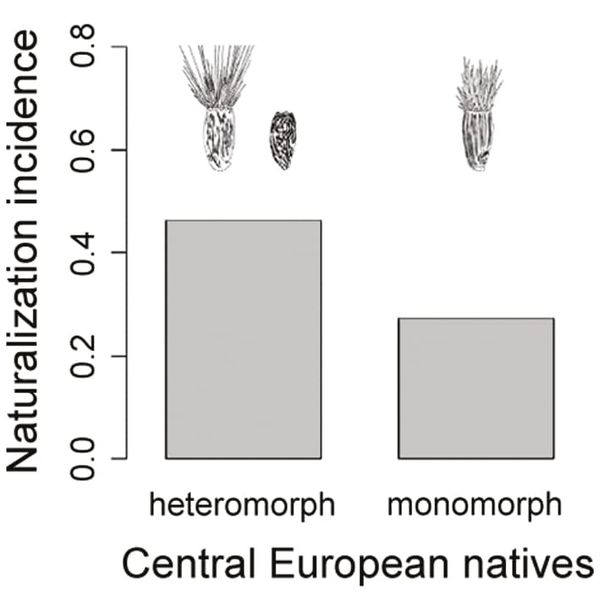
Finding the factors that explain invasion success of species is a major objective in ecology. The combination of extensive data on fruit heteromorphism in Asteraceae and the largest global plant-naturalization database offered the unprecedented possibility to add a missing piece to the naturalizatio
AoB PLANTS
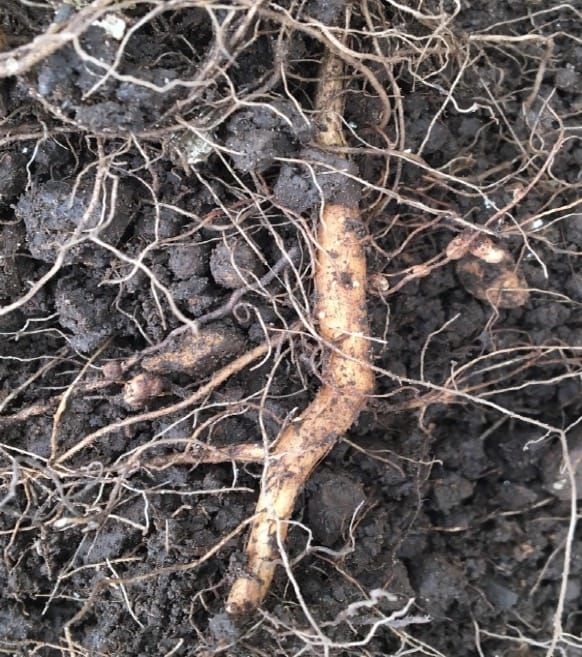
The Leguminosae is the third largest plant family, ranking behind only the Asteraceae and Orchidaceae, and is by far the most widespread group of plants, not
annals-of-botany
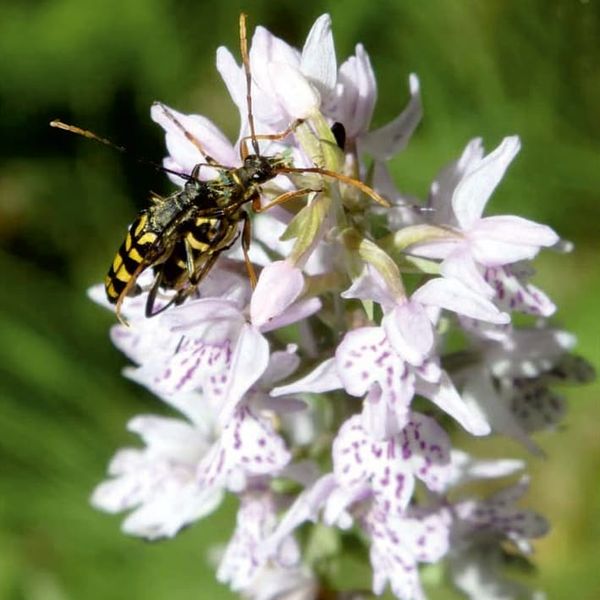
Floral chemistry is hypothesized to be the product of natural selection, but researchers have just begun to consider the micro-evolution of these traits.

annals-of-botany
If you could travel in time, what changes in evolution could you see? It might vary depending on the direction in which you go.
annals-of-botany
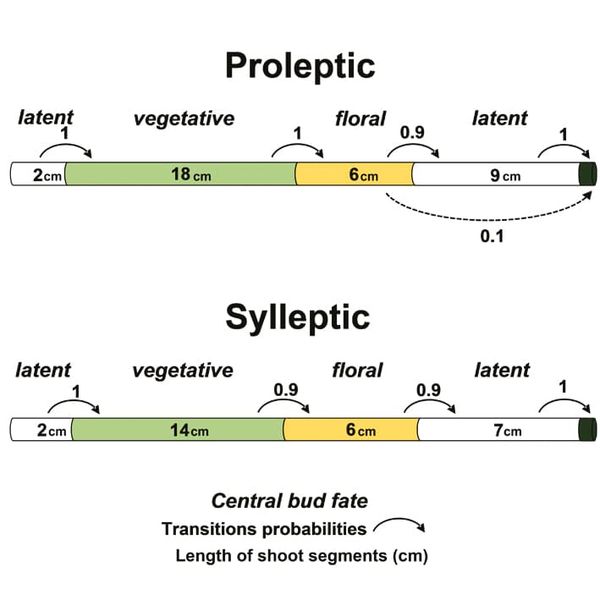
Do peach trees plan their shoot growth, or do they react to the environment?
AoB PLANTS
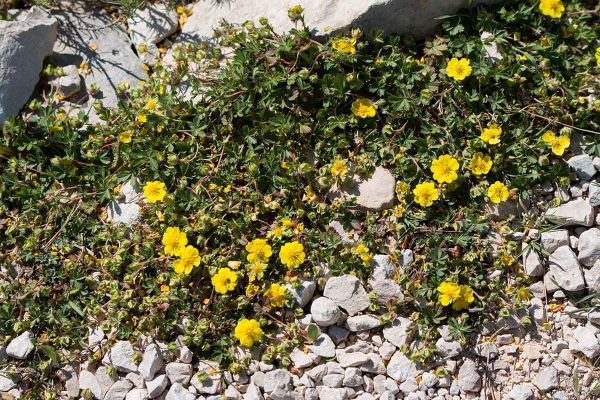
Polyploidization of the plant genome affects the phenotype of individuals including their morphology. In autopolyploids, we expect mainly nucleotypic effects, from a number of monoploid genomes

annals-of-botany
Branching is a main morphogenetic process involved in the adaptation of plants to the environment. In grasses, tillering is divided into three phases: tiller emergence, cessation