annals-of-botany
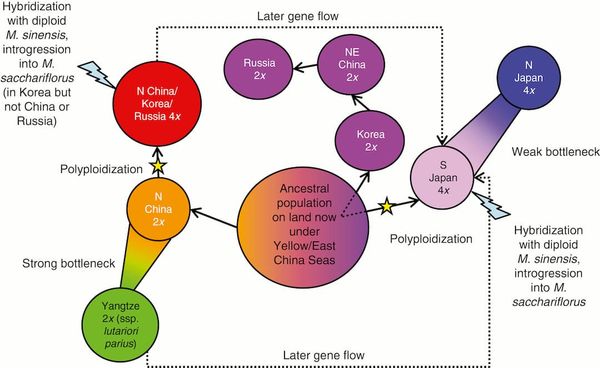
The Miscanthus sacchariflorus homeland lies beneath the waves
A study of the genetic diversity of Miscanthus sacchariflorus has revealed that the centre of its diversity now lies under the Yellow Sea.

annals-of-botany
A study of the genetic diversity of Miscanthus sacchariflorus has revealed that the centre of its diversity now lies under the Yellow Sea.
AoB PLANTS
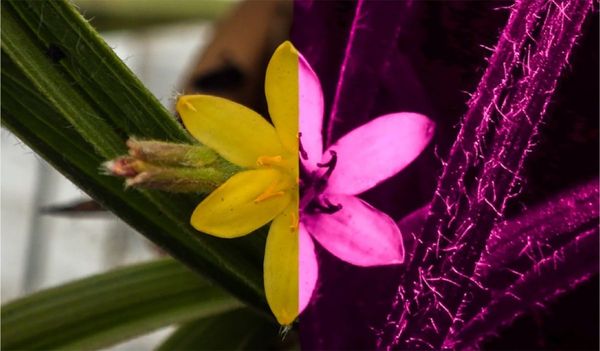
It’s the colours you cannot see that are important to the bees of Cameroon.

annals-of-botany
A changing climate could bring drier or wetter conditions. A team of scientists has been examining how the genes of two plants adapt to both conditions.
in silico Plants
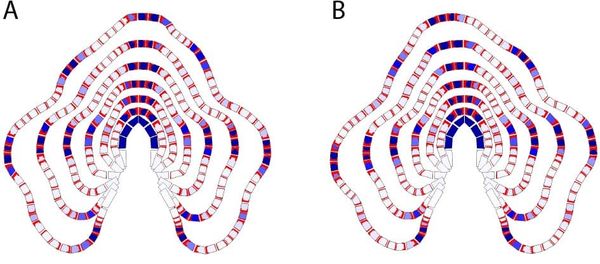
It is now possible to simulate molecular and higher-level spatially explicit stochastic processes and study their behavior in the presence of stochastic perturbations
annals-of-botany
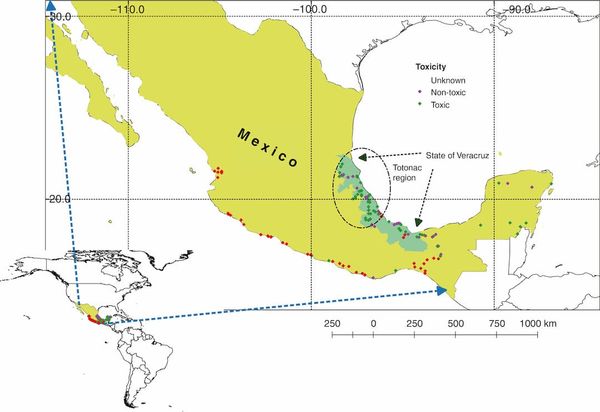
Jatropha curcas could be an oil crop with major biofuel potential, but the breeding germplasm has little variation. Botanists have found that there is genetic potential in previously overlooked non-toxic jatropha, but it needs conservation.
annals-of-botany
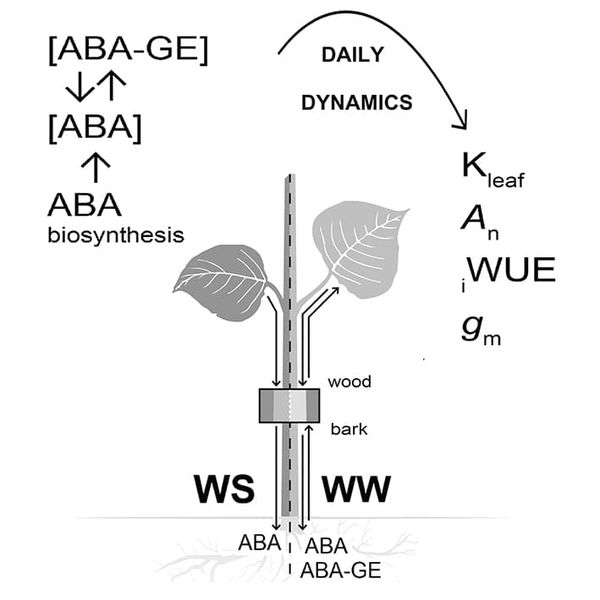
Characterisation of the biochemical and genetic mechanisms that underpin plant responses to water deficit are central to the development of more productive drought-tolerant biomass crops, including fast-growing poplars.
AoB PLANTS
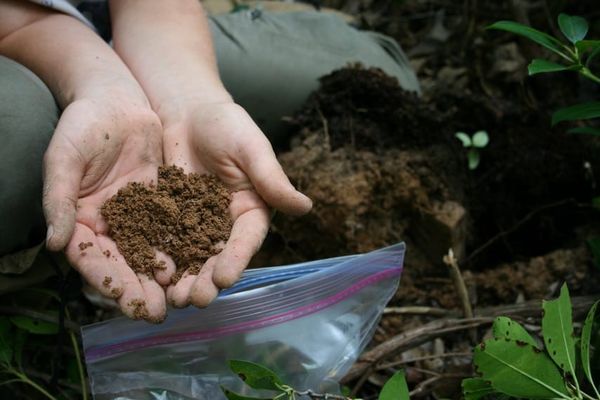
A study of deer browsing has uncovered the contribution of soil chemistry to ‘the ghost of herbivory past’.
annals-of-botany
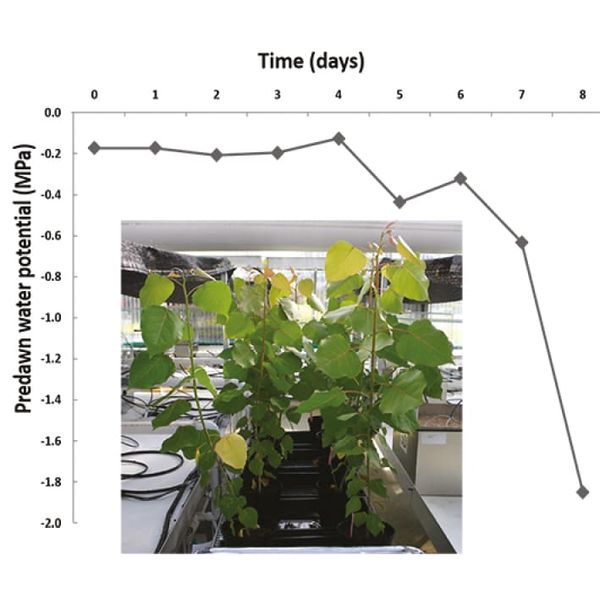
A plant’s response to drought might vary depending on how the drought arrives.
annals-of-botany
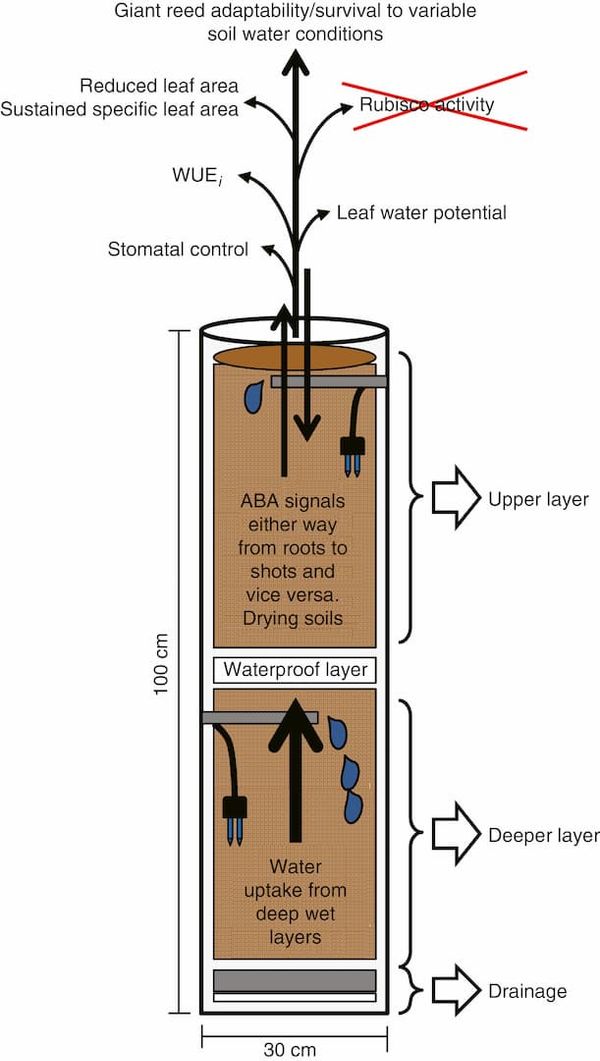
When soils dry they don’t dry uniformly, some parts remain damper than others. How does a reed like Arundo donax respond?
annals-of-botany
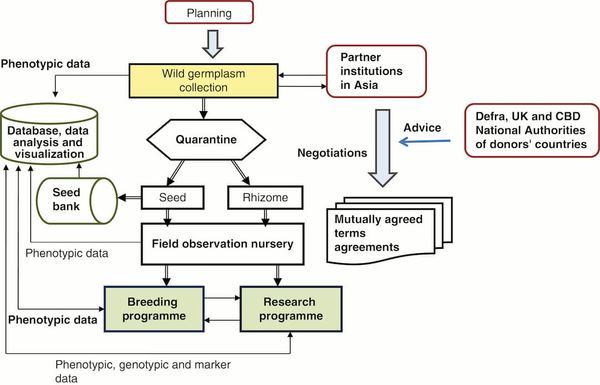
While collecting plant material for crop breeding, a team from Aberystwyth University also thought hard about the human side of their work.
News in Brief
Endophytic bacteria, microbes living in plant tissue, can change how a plant grows. But experiments with microbe communities shows that it’s not in a predictable way.
annals-of-botany
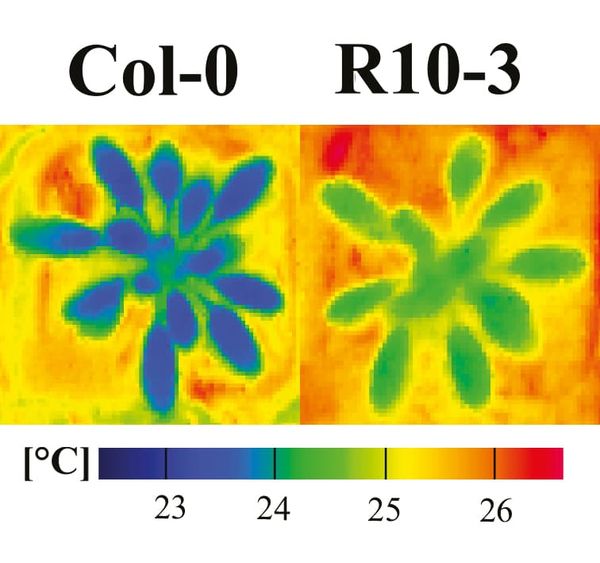
Botanists show how abscisic acid receptors in poplar can ease drought stress.