
featured
Realizing Crops in silico
How to link heterogeneous models, build a community, and acquire necessary data in the Wild West of Plant Biology research.

featured
How to link heterogeneous models, build a community, and acquire necessary data in the Wild West of Plant Biology research.
featured
Philip White talks to Giles Johnson and finds out that what some people call a waste of time, other people call a citation classic.
featured
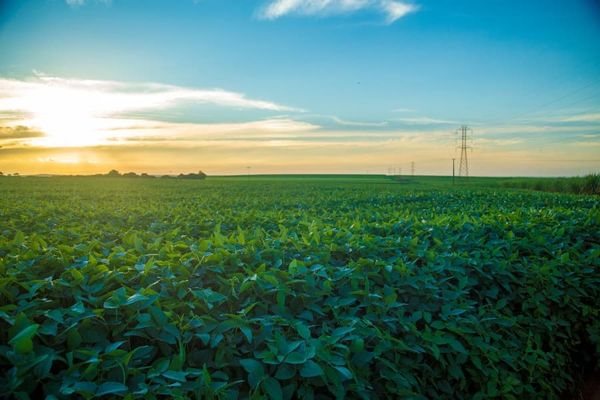
Avid readers of the Botany One blog will no doubt be aware of The Story of Soy. Written by Christine du Bois it makes the compelling
featured
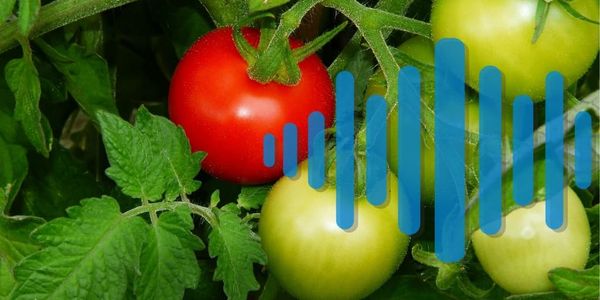
Over Christmas, a couple of papers came out that suggest plants can respond to airborne sound waves. The findings challenge many ideas about how plants respond to sound.
featured
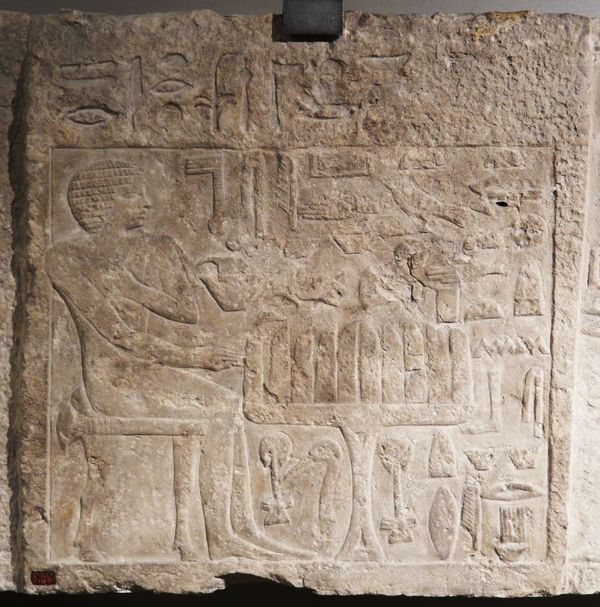
Like many of you reading this item I suspect, I was taught that agriculture was ‘invented’ about 10,000 years ago in the so-called Fertile
featured
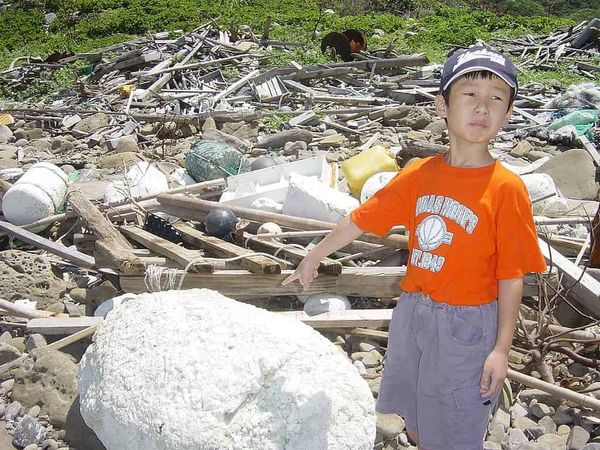
Discarded plastic* is a major source of this planet’s pollution (“the action or process of making land, water, air, etc., dirty and not safe or
featured
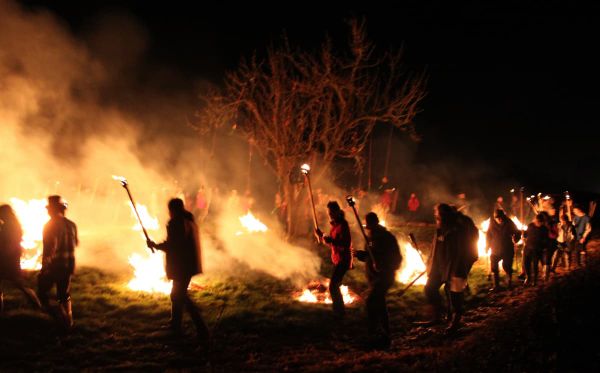
January 17 marks twelfth night in the Julian Calendar. It also marks the traditional night of wassailing, a ritual to drive evil spirits from the orchard.
featured
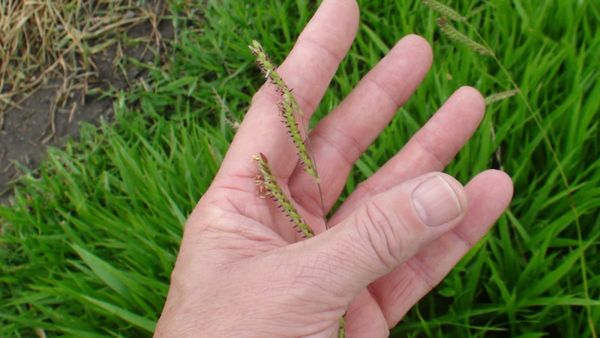
Pat Heslop-Harrison (with collaborators listed below) examines why it’s not just humans that need better crops.
featured
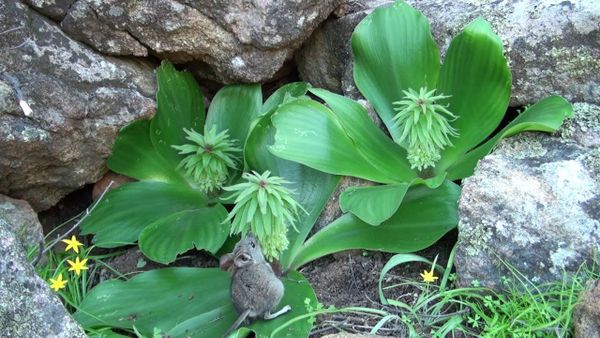
Eucomis regia, the pineapple lily, doesn’t attract insects or birds to pollinate it. So how does it reproduce?
featured
Plants on Earth being productive at some point in their life cycles is critical for their – and our lives. Productivity is also a common new year’
featured
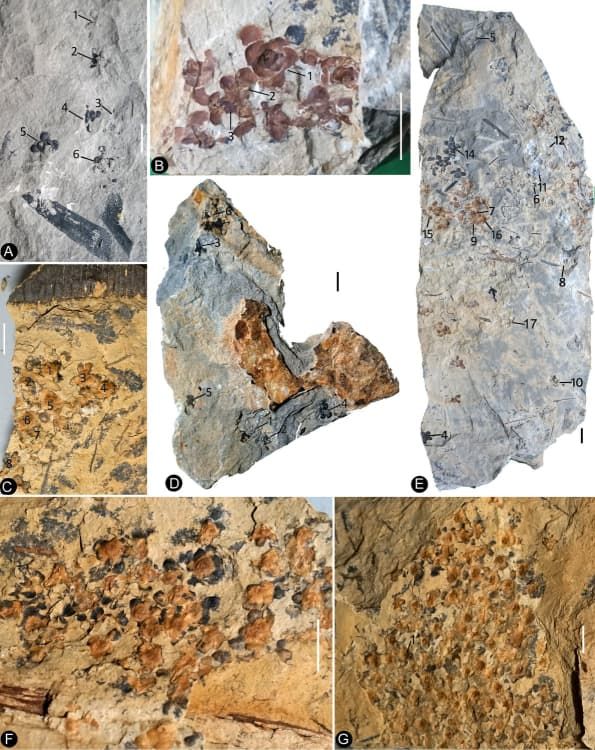
Finding out when the earliest ancestor of the flowering plants evolved has been difficult. Estimates have been wildly different, depending on the method you use.
featured
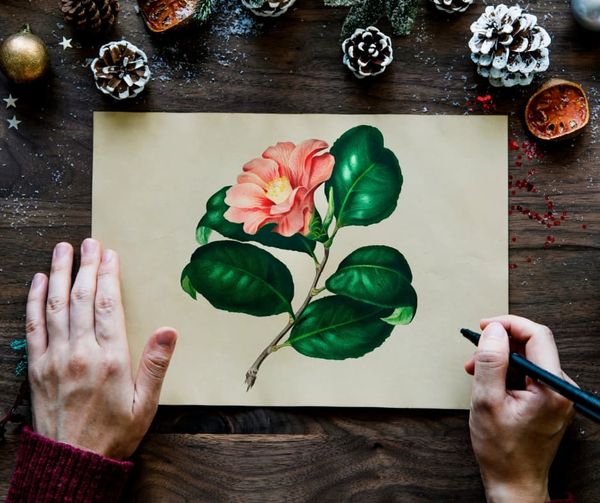
A study comparing descriptive writing with botanical drawing has found that both methods aid learning about taxonomy. However, drawing subjects captured more morphological information.