Computational Models
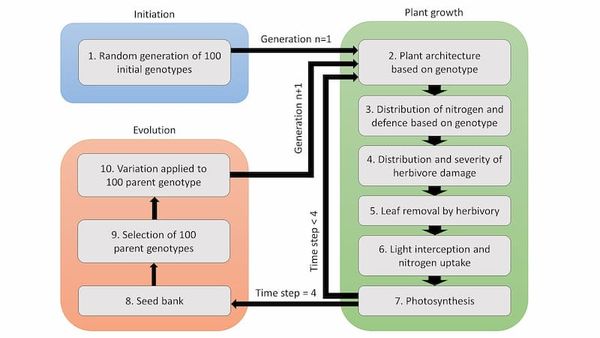
Under pressure: How do plants strike a balance between growth and defense?
A novel modelling approach explores how resource availability, competition pressure and insect herbivore pressure drive selection.

Computational Models
A novel modelling approach explores how resource availability, competition pressure and insect herbivore pressure drive selection.
Computational Models
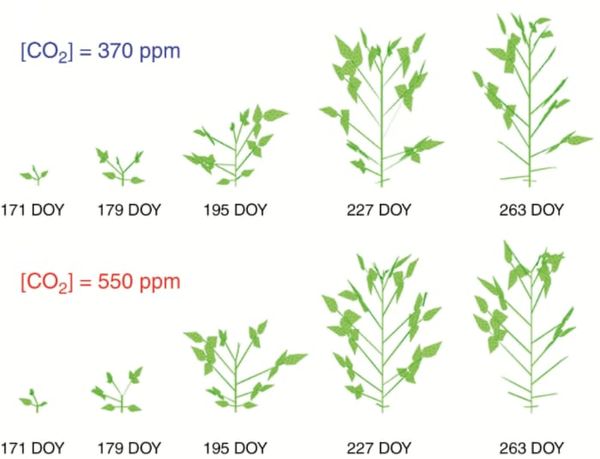
New mathematical model dissects how soybean plants might grow larger in the future.
Computational Models
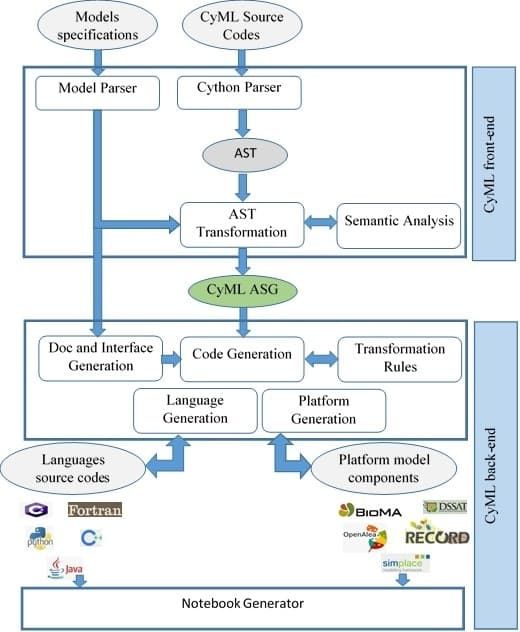
A new system automatically transforms existing process-based crop models into different languages and simulation platforms.

Close Encounters
Sharing pollinators can cause problems when pollen competes for transport
Computational Models
in silico Plants is pleased to welcome submissions for an upcoming virtual special issue on Functional-Structural Plant Modelling.

Computational Models
The editors of in silico Plants are delighted to share with you an Editor’s Choice selection of key papers that highlight some of the best current plant modelling research published in the journal.

Computational Models
Agent-based modelling models systems as an interaction between different units, or agents. An example would be something like SimCity. In a review in Annals of
Computational Models
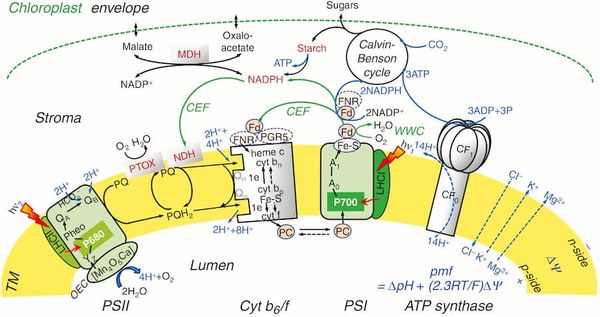
One way to improve crop yields is to improve photosynthesis, but how can scientists do this? Alexandrina Stirbet and colleagues review mathematical modelling as a tool
Computational Models
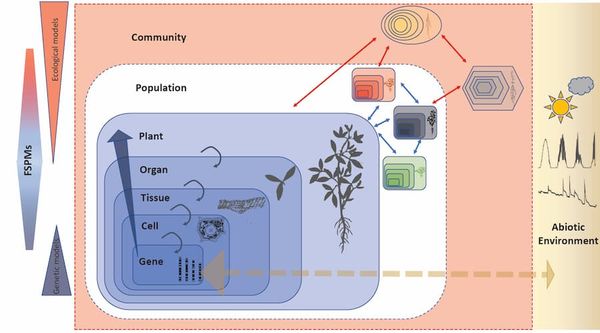
The FSPM approach has demonstrated considerable progress, but has yet to reach its full potential in terms of integration and heuristic knowledge production.
Computational Models
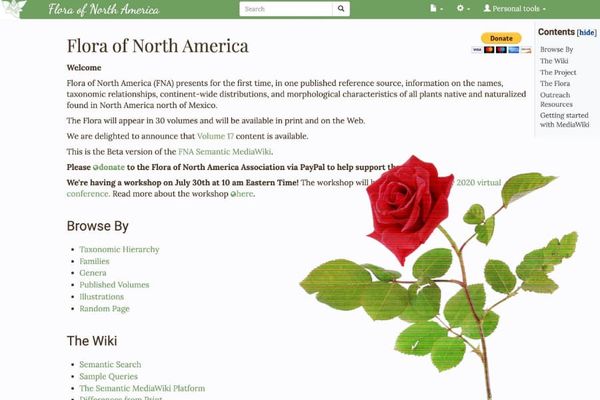
Staying up to date and making all treatments machine-readable will broaden the project’s appeal, but it’s no small feat.
Cells, Genes & Molecules
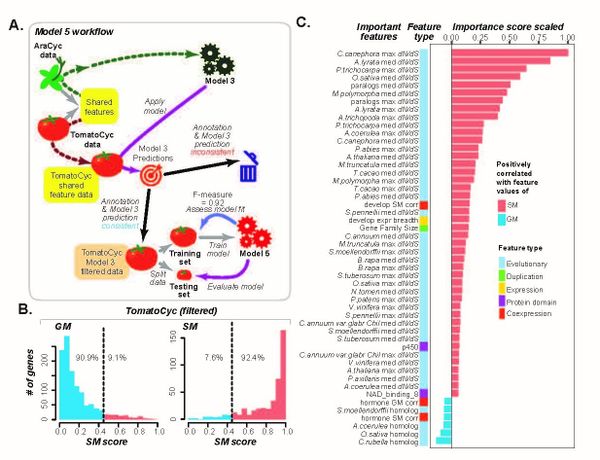
A new machine learning strategy allows genomic knowledge to be transferred from information-rich to information-poor species.
Cells, Genes & Molecules
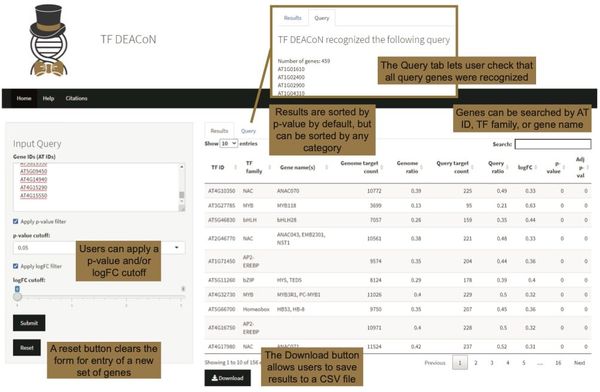
TF DEACoN is an in silico “screen” to identify candidate transcription factors using a public database.