Botany One
Read in
  • ZH
  • DE
  • EN
  • ES
  • FR
  • JA
  • PT
  • Home
  • About Us
  • Archive
  • Hot Botany
  • Species Dashboard
  • Trading Card Generator
  • Manage email subscription

Section

AoBP

Using genetic analyses to understand population structure and genet assignment of a clonal forest-floor herb

Growth & Development

Using genetic analyses to understand population structure and genet assignment of a clonal forest-floor herb

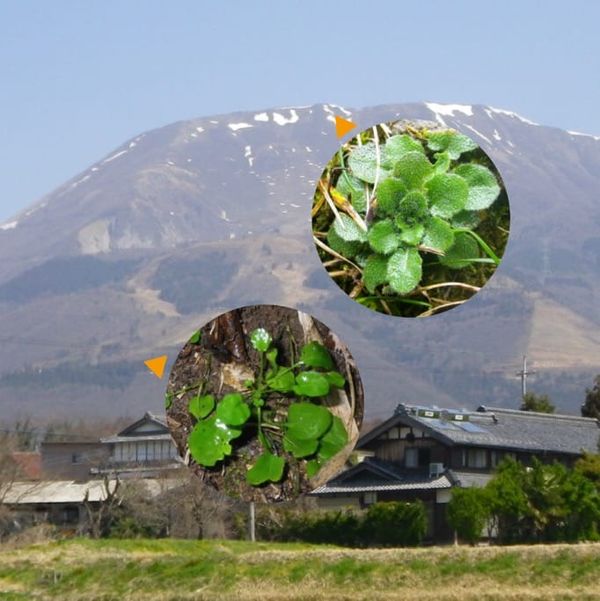
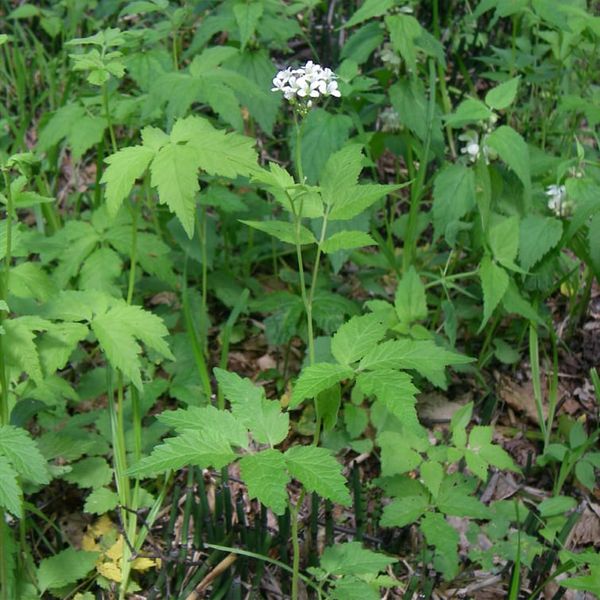
Tsujimoto et al. investigated how ramets belonging to different genets were distributed in a natural population of Carrdamine leucantha in Hokkaido, Japan.
William Salter · 2 Mar 2020

Are males and females produced in equal proportions in the sexually cryptic coco de mer?

Growth & Development

Are males and females produced in equal proportions in the sexually cryptic coco de mer?

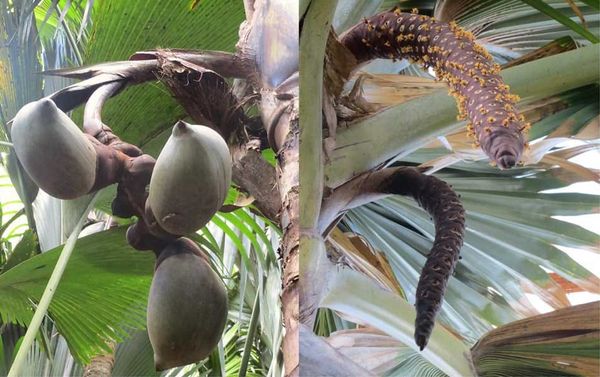
Morgan et al. explores sex ratios in populations of Lodoicea maldivica in the Seychelles.

William Salter · 24 Feb 2020

Continuous variation in herkogamy in Mediterranean honeysuckle populations

Close Encounters

Continuous variation in herkogamy in Mediterranean honeysuckle populations

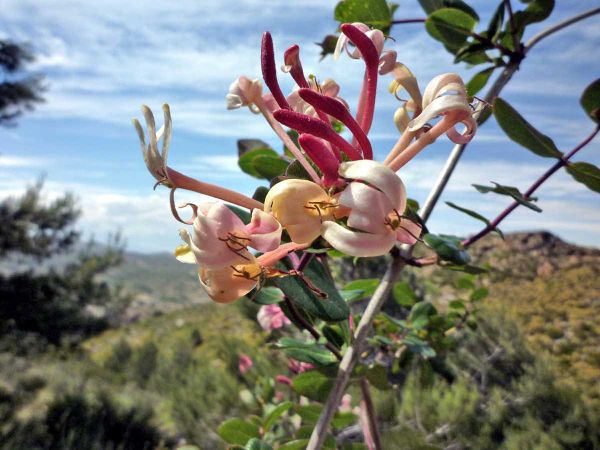
Herkogamy, the spatial separation of sex organs in hermaphroditic plants, is thought to have evolved to reduce self-pollination and inbreeding within a population. Yet there

William Salter · 17 Feb 2020

Decrypting the tubby-like protein gene family in cassava

Cells, Genes & Molecules

Decrypting the tubby-like protein gene family in cassava

Dong et al. identify and characterise the cassava TLP gene family, MeTLP, at the genomic level.

William Salter · 13 Feb 2020

Gene copy number is associated with phytochemistry in Cannabis sativa

Cells, Genes & Molecules

Gene copy number is associated with phytochemistry in Cannabis sativa

THCA and CBDA were thought to have a simple mode of inheritance; however, a recent study by Vergara et al. describes that in fact multiple gene copies are involved in their production.

William Salter · 10 Feb 2020

Expression of aquaporin subtypes in cotton under salt stress

Growth & Development

Expression of aquaporin subtypes in cotton under salt stress

Three aquaporins are reliable tools to identify cotton genotypes tolerant to salt stress, based on expression of qPCR-transcripts

William Salter · 6 Feb 2020

Arabidopsis halleri: a model system for studying population differentiation and local adaptation

Growth & Development

Arabidopsis halleri: a model system for studying population differentiation and local adaptation

Whilst studies on Arabidopsis thaliana have generally been highly molecular and/or genetic in nature, most studies using A. halleri have addressed adaptation and variation in adaptive traits in the species’ natural habitat.

William Salter · 3 Feb 2020

tealeaves: an R package for modelling leaf temperature using energy budgets

Computational Models

tealeaves: an R package for modelling leaf temperature using energy budgets

Plants are able to grow, survive and reproduce under a wide range of temperatures. Examples of plants that thrive in temperature extremes include cushion plants in

William Salter · 30 Jan 2020

Drivers of intraspecific variation in seed dispersal are diverse and pervasive

Ecosystems

Drivers of intraspecific variation in seed dispersal are diverse and pervasive

Intraspecific variation in the quantity and quality of seed dispersal has important ecological and evolutionary consequences, yet it is generally ignored in favour of focussing on

William Salter · 27 Jan 2020

Resprouting potential of rhizome fragments in an invasive aquatic plant

Ecosystems

Resprouting potential of rhizome fragments in an invasive aquatic plant

Non-native aquatic Ludwigia species from a polyploid complex are among the world’s most problematic invasive plants. A new paper in AoBP finds out why.

William Salter · 23 Jan 2020

Control of root-knot nematode infection by rhizobacteria in tomato plants

Close Encounters

Control of root-knot nematode infection by rhizobacteria in tomato plants

Plants can encourage rhizobacteria to help fight of rot-knot nematodes.

William Salter · 20 Jan 2020

Effect of simulated warming on Leymus chinensis grasslands of northeast China

Ecosystems

Effect of simulated warming on Leymus chinensis grasslands of northeast China

Mean global temperatures have risen by almost 1°C since 1850 and are predicted to continue to rise through to the end of the century. Understanding

William Salter · 16 Jan 2020

← Newer Page 14 of 15 Older →

The week's plant science, in your inbox on Monday.

One email a week. Unsubscribe any time.

Read in
  • ZH
  • DE
  • EN
  • ES
  • FR
  • JA
  • PT
  • Sign up
© The Annals of Botany Company