Botany One
Read in
  • ZH
  • DE
  • EN
  • ES
  • FR
  • JA
  • PT
  • Home
  • Home
  • About Us
  • Archive
  • Hot Botany
  • Species Dashboard
  • Trading Card Generator
  • Manage email subscription

Tag

annals-of-botany

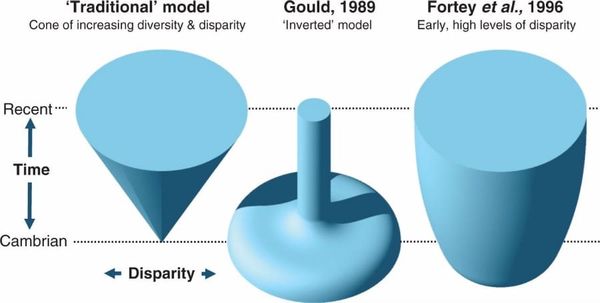
Simplified models of the pattern of morphological disparity through the Phanerozoic.

annals-of-botany

Why should we investigate the morphological disparity of plant clades?

Macroevolution of major clades is often studied by plotting their taxonomic diversity through time. It is equally informative, but less commonplace, to investigate how clades explore
botanyone · 27 May 2016

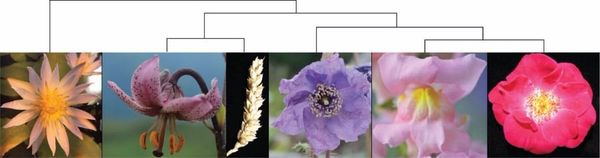
Photos of flowers from plants of diverse orders with a simplified phylogeny above, sketching their relationships. From left t

annals-of-botany

Tinkering with transcription factor networks for developmental robustness of Ranunculales flowers

Species within the Ranunculales bear flowers of formidable variation; for example, one can find novel floral organs and loss of floral organs, zygomorphic and radially symmetric

botanyone · 26 May 2016

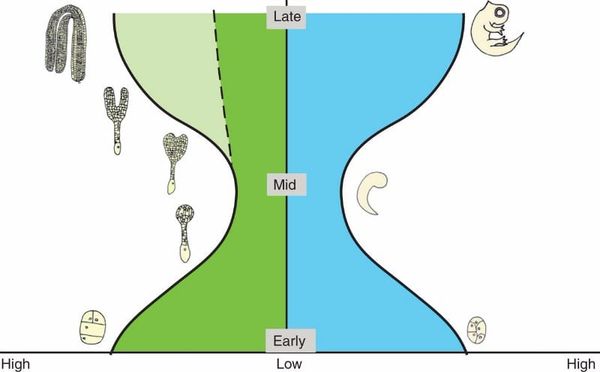
Comparison of the morphological and transcriptome hourglass model between flowering plants and animals. In both panels, embry

annals-of-botany

Developmental hourglass in plant and animal embryogenesis

Embryogenesis has evolved independently in plants and animals. Comparative studies in animals have pointed towards an hourglass pattern of embryo development where early events are less

botanyone · 25 May 2016

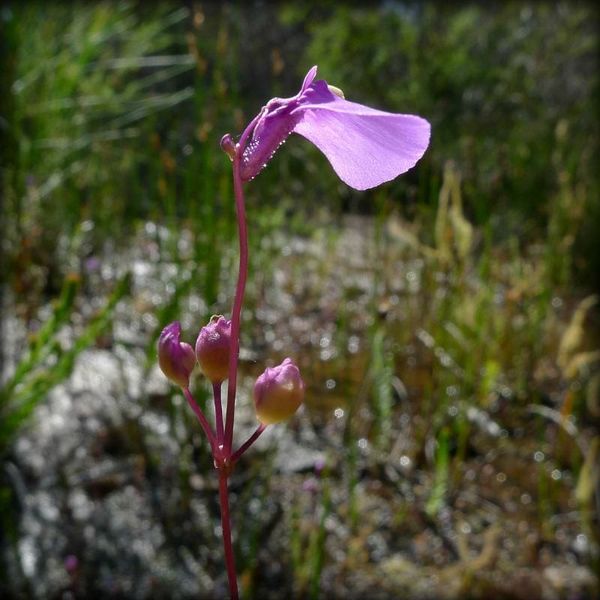
Utricularia dichotoma

annals-of-botany

Evolution of unusual morphologies in Lentibulariaceae and Podostemaceae

Rutishauser presents a pictorial report on released bauplans as typical for bladderworts (Utricularia, Lentibulariaceae) and river-weeds (Podostemaceae) within eudicots (angiosperms). Lentibulariaceae are carnivorous, possessing flypaper

botanyone · 24 May 2016

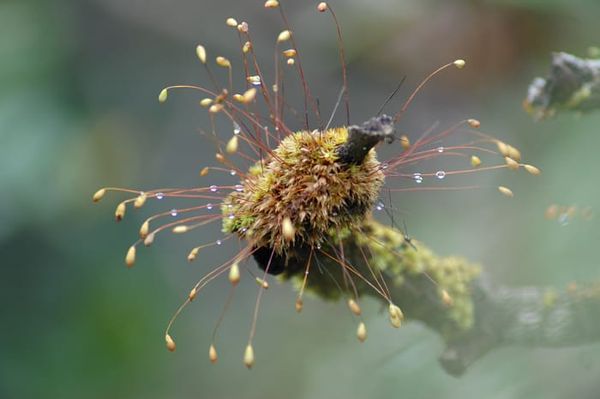
Funaria

annals-of-botany

Guard cells first, then epidermis

Stomata in the moss Funaria are regularly spaced at the base of the capsule. Merced and Renzaglia describe the patterning and distribution of stomata and how

botanyone · 23 May 2016

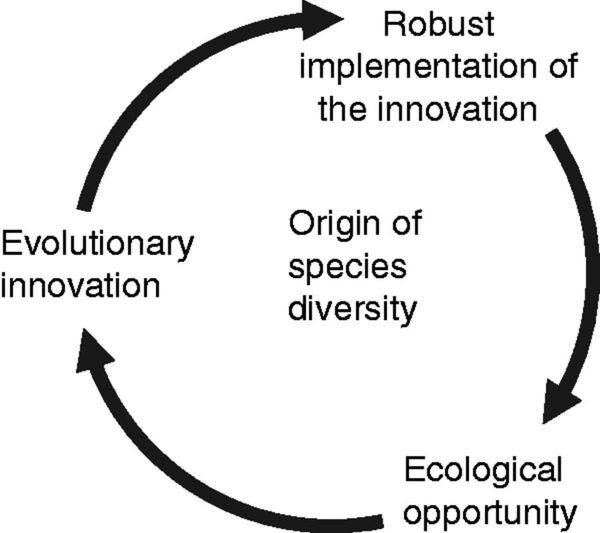
Proposed scenario as to how the interplay between evolutionary innovations, developmental robustness and ecological opportuni

annals-of-botany

The significance of developmental robustness for species diversity

Why some taxa are more species-rich than others still represents a major conundrum in biology. Ecological opportunities and evolutionary innovations are considered main factors that

botanyone · 23 May 2016

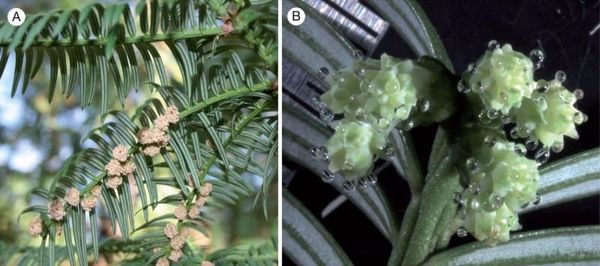
Cephalotaxus koreana. (A) Branch with male cones before pollen shedding. (B) Female cones with pollination drops.

annals-of-botany

Pollination drop proteins and ovule transcripts of Cephalotaxus

Many gymnosperms produce an ovular secretion, the pollination drop, during reproduction. The drops serve as a landing site for pollen, but also contain a suite of

botanyone · 20 May 2016

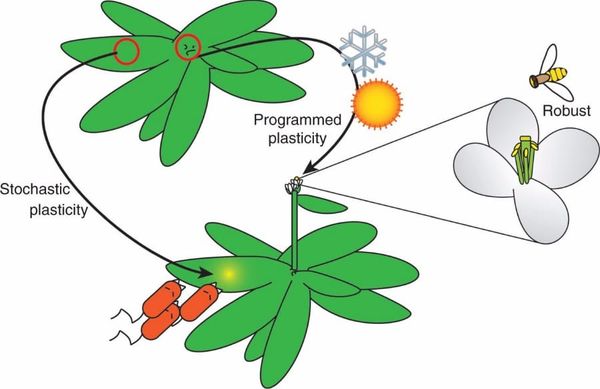
Changing environments induce phenotype-specific responses. Phenotypic responses to changing environments range from plastic t

annals-of-botany

Molecular mechanisms of noise and robustness

Robustness, the inverse of noise, is a molecularly programmed feature of biological systems. The molecular networks of some organismal phenotypes like development are designed to maximize

botanyone · 20 May 2016

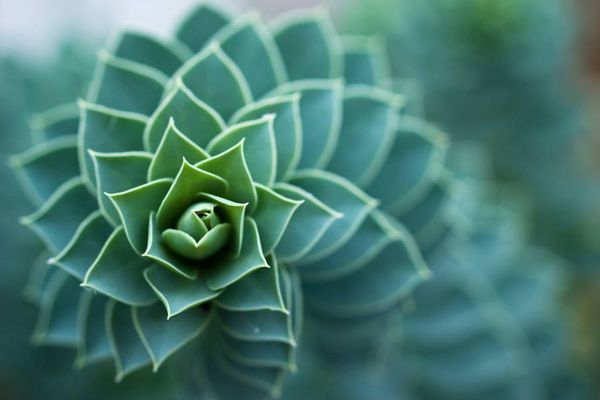
Euphorbia myrsinites

annals-of-botany

An evo-devo perspective on diversity and disparity

Diversity (number of included species) and disparity (extent of morphospace occupied) are indicators of a clade’s success. Many large genera show high diversity with low

botanyone · 19 May 2016

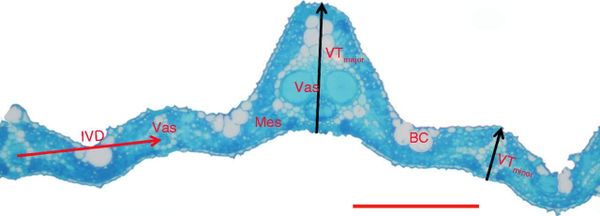
Diagram illustrating details of the leaf anatomical traits measured.

annals-of-botany

Leaf density contributes the major variation of leaf mass per area in rice

Understanding the variation of leaf anatomy and its influence on photosynthesis is very important for yield improvement. Xiong et al. found that leaf mass per area

botanyone · 18 May 2016

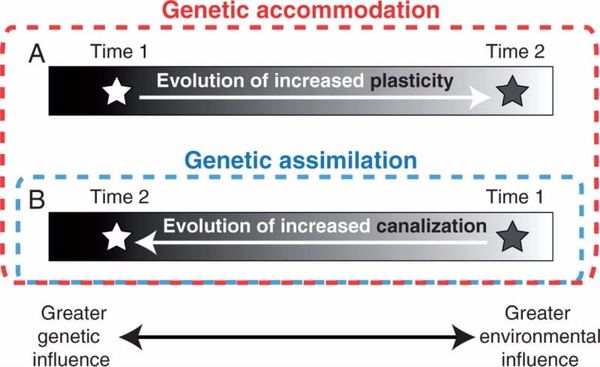
A diagram illustrating the distinction between genetic accommodation and genetic assimilation. Genetic accommodation is any a

annals-of-botany

Genetic assimilation and the evolution of novelty

Most, if not all, organisms possess the ability to alter their phenotype in direct response to changes in their environment, a phenomenon known as phenotypic plasticity.

botanyone · 18 May 2016

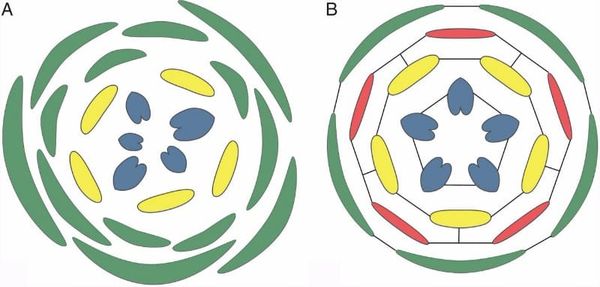
Different potential for synorganization of floral organs in different phyllotaxis patterns.

annals-of-botany

Development and evolution of extremely complex flowers

The two very species-rich families Apocynaceae and Orchidaceae contain the most complex flowers in the angiosperms. Although they are not related they show a number

botanyone · 17 May 2016

← Newer Page 61 of 130 Older →

The week's plant science, in your inbox on Monday.

One email a week, from the nonprofit Annals of Botany Company. Unsubscribe any time.

Read in
  • ZH
  • DE
  • EN
  • ES
  • FR
  • JA
  • PT
  • Sign up
© The Annals of Botany Company