annals-of-botany
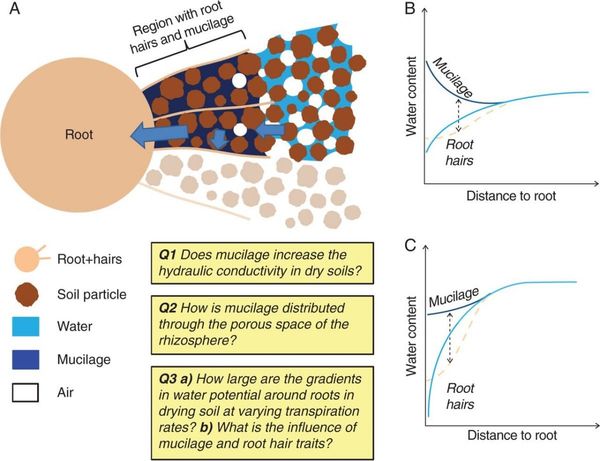
Rhizosphere biophysics and root water uptake
The combination of soil drying and a high transpiration rate causes severe water stress in plants. In their Viewpoint article, Carminati et al. develop a biophysical

annals-of-botany
The combination of soil drying and a high transpiration rate causes severe water stress in plants. In their Viewpoint article, Carminati et al. develop a biophysical
annals-of-botany
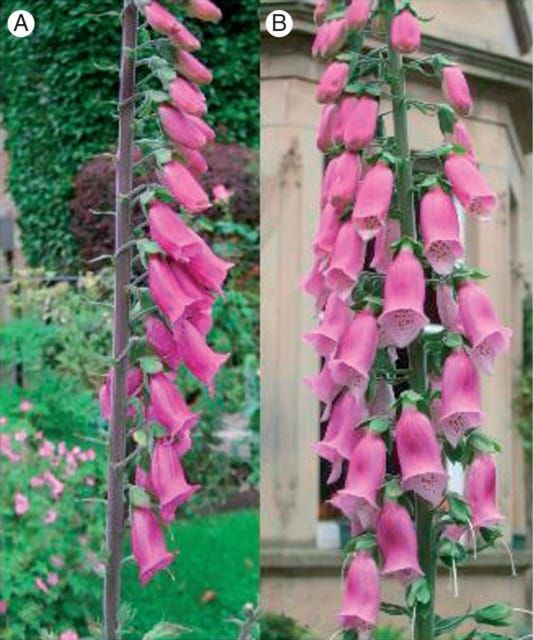
Angiosperms exhibit great variations within the architectural arrangements of their floral displays, which serve reproductive functions. The influence of display size and of individual floral traits
annals-of-botany
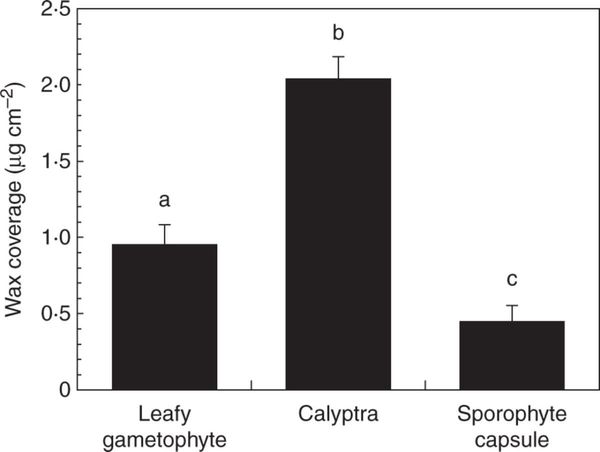
The waxy cuticles that coat plant surfaces have been relatively well studied in vascular plant taxa, but it is unclear how similar they may be across
annals-of-botany
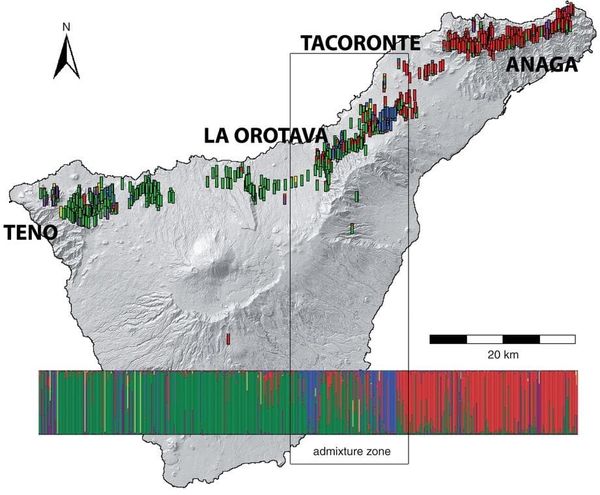
Laurel forest is often regarded as an ancient type of woodland as reflected in the ‘Tertiary relict’ hypothesis. The Canary Islands are one of the present
annals-of-botany
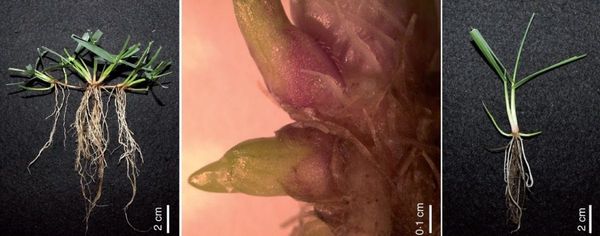
Rhizomes are underground stems serving as storage organs and containing meristematic tissues which are capable of generating shoots and roots. However, the mechanisms controlling rhizome formation
annals-of-botany
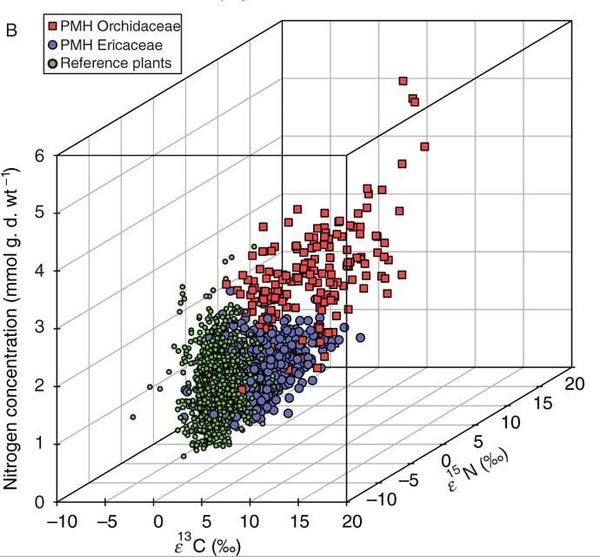
Autotrophy, though common among plants, isn’t the only way plants make a living. Some plants have lost all photosynthetic abilities and instead rely on symbiotic
annals-of-botany
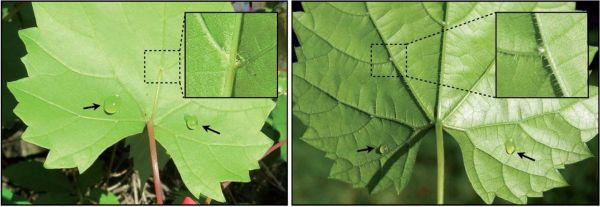
Mite domatia are small structures on the underside of plant leaves that house predacious or fungivorous mites, thereby mediating a plant-mite defence mutualism. It has
annals-of-botany
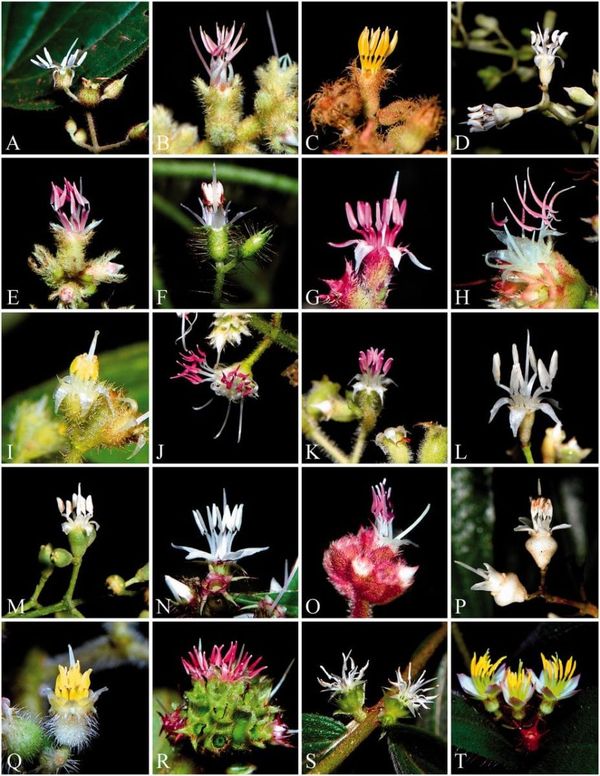
Processes related to floral diversification and the relation of floral diversification to speciation are largely unaccounted for in the Melastomataceae. Reginato and Michelangeli describe the floral

annals-of-botany
Larcombe et al. present a 20-year assessment of reproductive isolation in a forest tree system. They show that intermediate inheritance of floral morphology results in
annals-of-botany
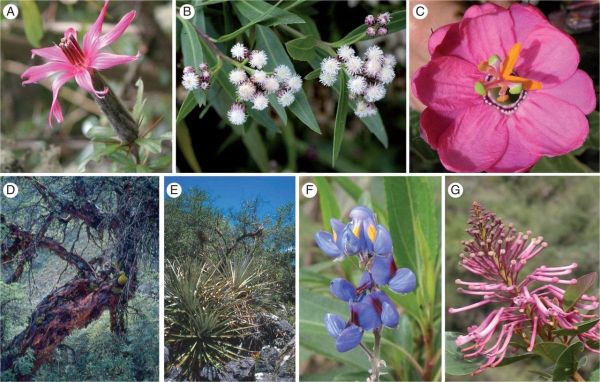
Modularity is the tendency of certain species to consistently interact with each other. It is a ubiquitous and important property of ecological networks that can determine
annals-of-botany
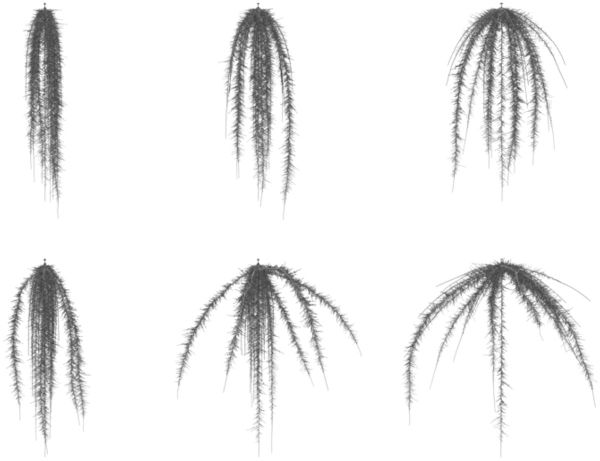
Crops capable of improved nitrogen capture are in demand for the purposes of efficient global agricultural production. Dathe et al. employ functional-structural modelling to test

annals-of-botany
Access to legally acquired, high-quality DNA and tissue samples is often elusive for those undertaking genomic research. Seberg et al. report on an initiative to