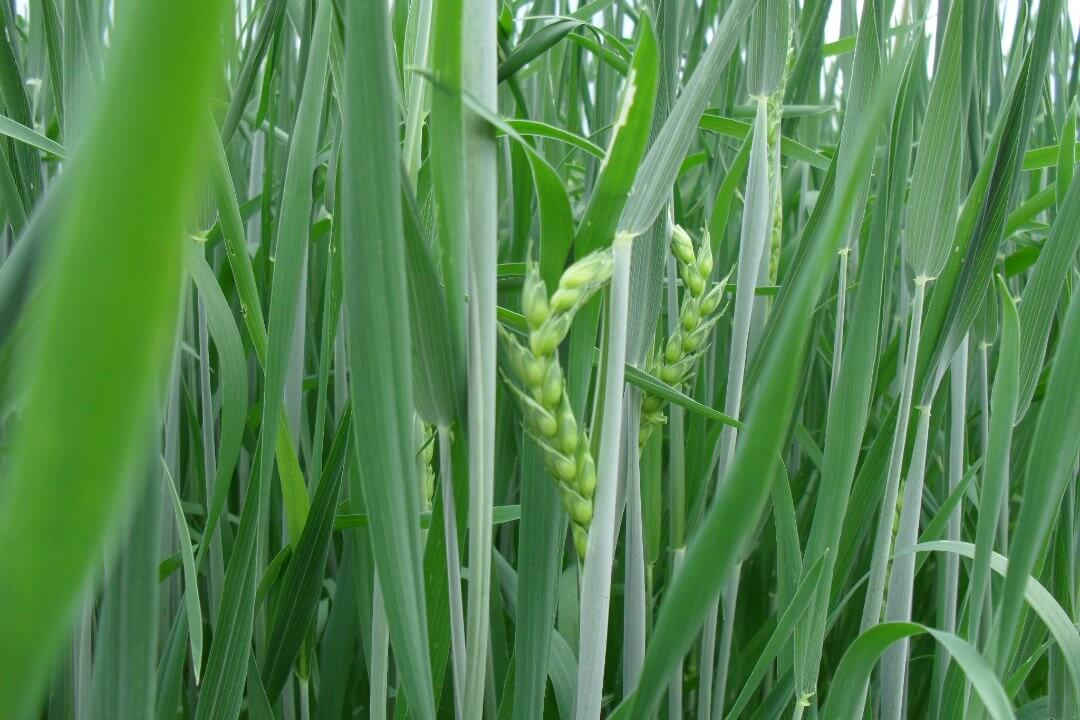
Increased hot and cold spells resulting from climate change could affect bread-making quality or seed quality for growing subsequent wheat crops, depending upon when they occur.
Reproductive traits important to coevolving interactions, such as the floral scent of L. bolanderi, may be more canalized than other traits important for plant fitness.
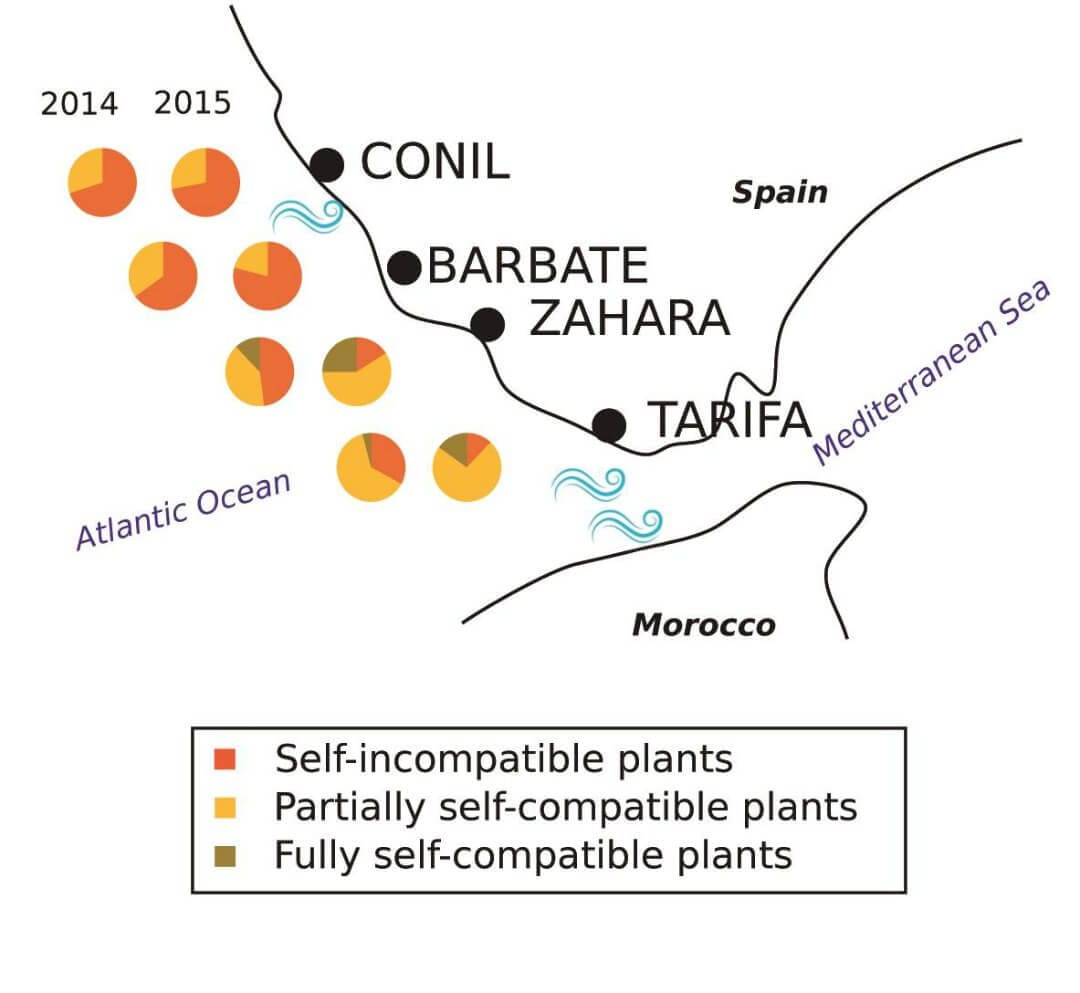
Self-incompatible plants were less frequent in populations with consistently worse pollination environment, suggesting that reproductive assurance selects for selfing in these areas.
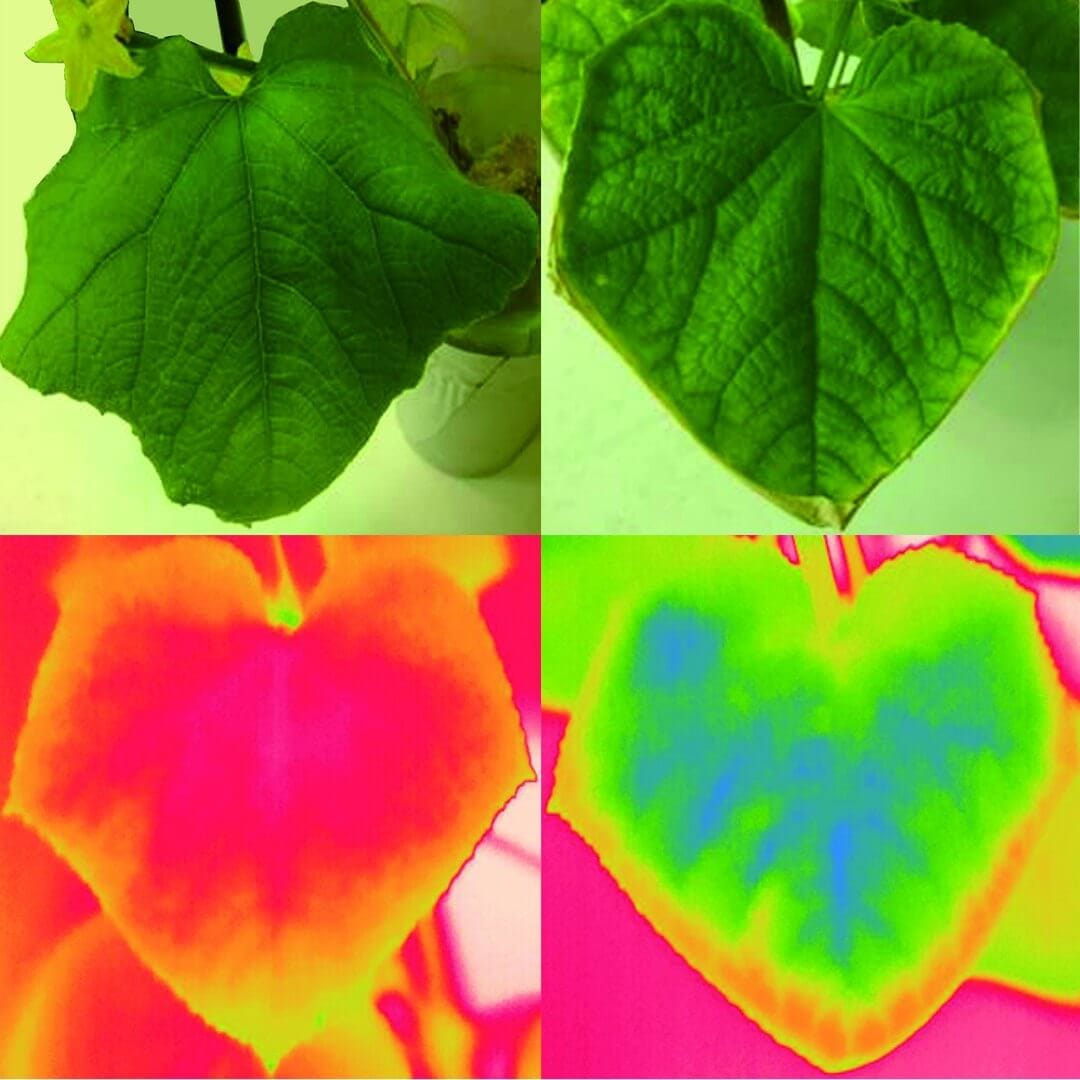
Although leaf wilt occurred in both water stress and FOC infection, the physiological responses were different, especially in leaf spatial distribution.
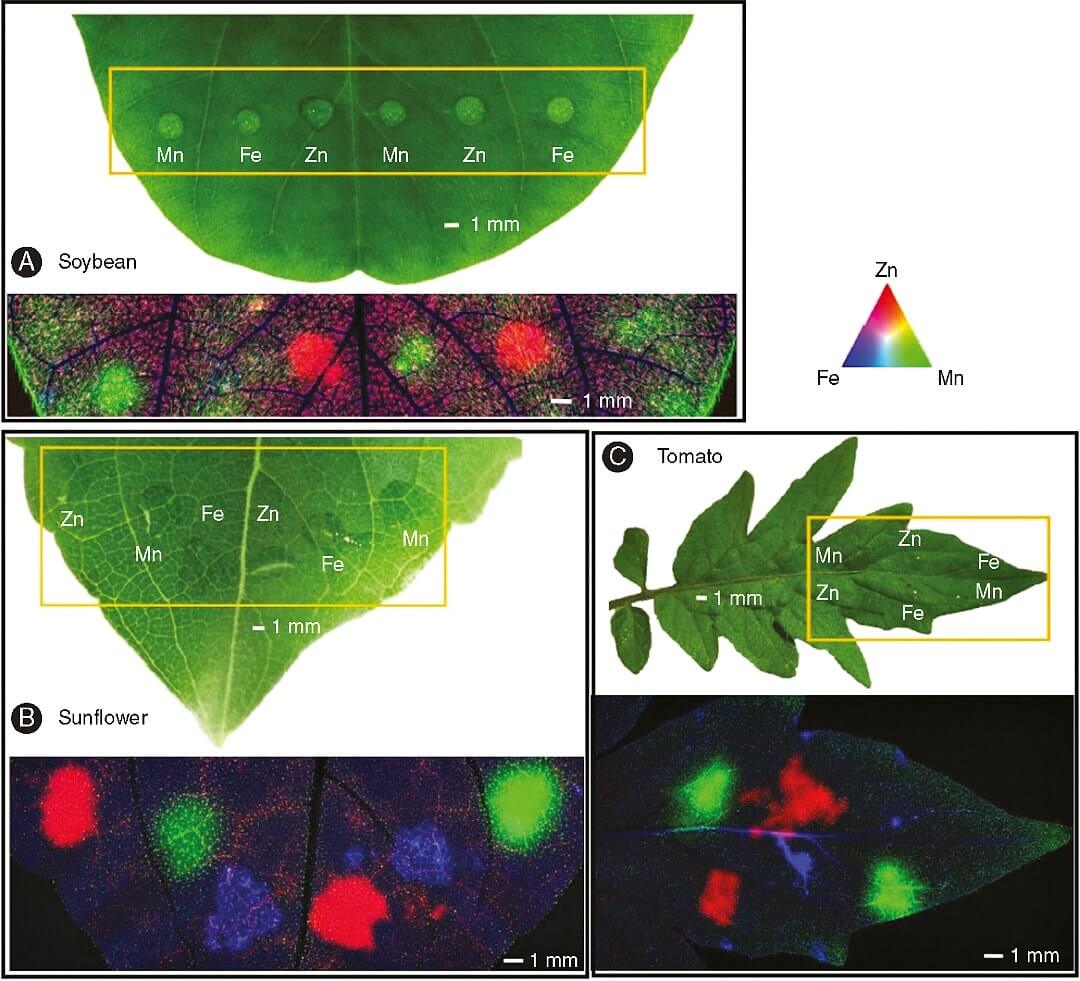
This study highlights the potential importance of the combined thickness of the cuticle and epidermal cell wall in the absorption of foliar-applied nutrients.