annals-of-botany
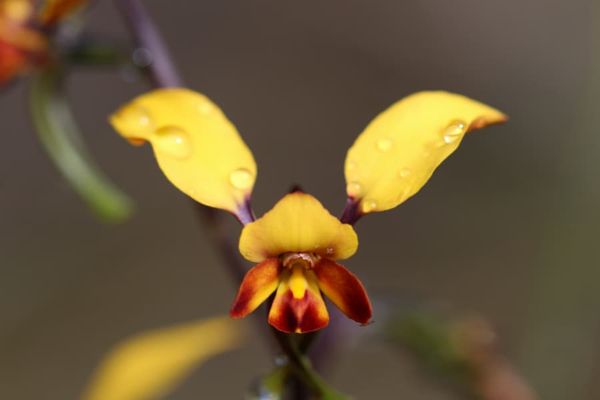
Floral mimicry of Faboideae in an Australian orchid
While there is increasing recognition of floral mimicry in plants, there are few cases where any explanatory mechanism is confirmed. Scaccabarozzi et al. test for pollination

annals-of-botany
While there is increasing recognition of floral mimicry in plants, there are few cases where any explanatory mechanism is confirmed. Scaccabarozzi et al. test for pollination
annals-of-botany
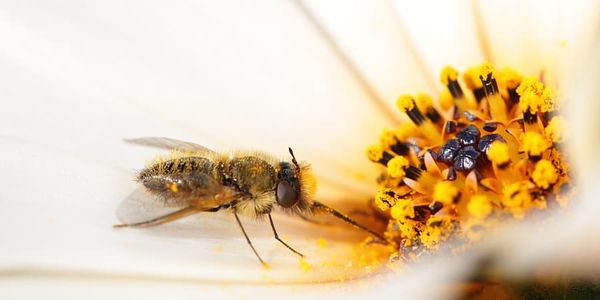
More than 85% of flowering plant species require the services of foraging animal pollinators to transfer male gametes (pollen) to stigmas of potential mates. The vast
annals-of-botany
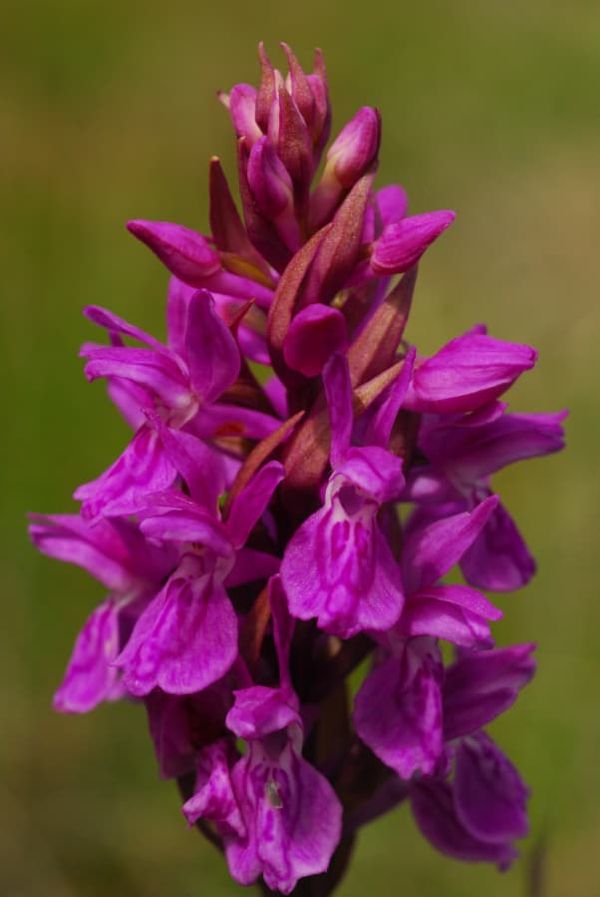
Orchids have minute seeds and can disperse over long distances. Hedrén et al. use genetic markers to track how the marsh orchid Dactylorhiza majalis ssp. lapponica
annals-of-botany
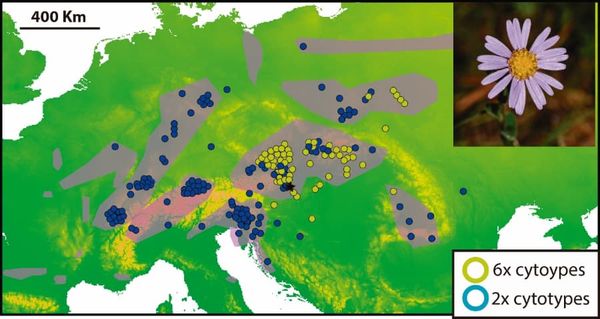
Up to one-quarter of flowering plant species may have escaped recognition due to processes such as autopolyploidy-whole genome duplication events where polyploids may be
annals-of-botany
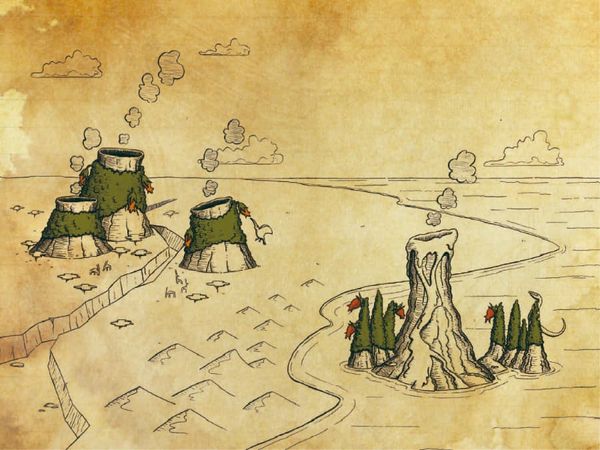
Subtropical African forests are on the verge of extinction due to a long history of exploitation. Considered sanctuaries of exceptional biodiversity, they shelter many endemic and
annals-of-botany
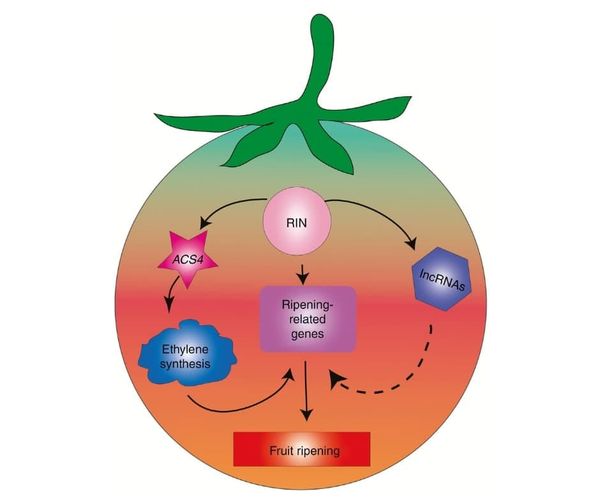
In recent years, increasing numbers of long non-coding RNAs (lncRNAs) have been identified in humans, animals and plants, and several of them have been shown
annals-of-botany
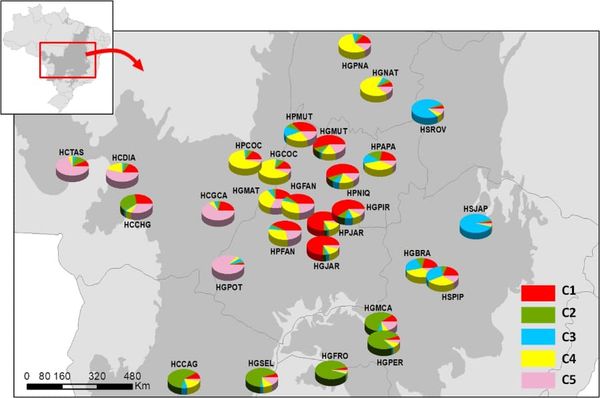
The Neotropical savanna fruiting tree species, Hancornia speciosa (Apocynaceae) has high social and economic importance in Brazil. Originally classified as six botanical varieties, more recently only
annals-of-botany
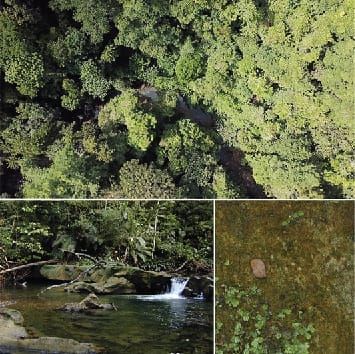
Sexual reproduction requires close proximity of mates, but ensures genetic variation in the local population. Although independent of cross-pollination, asexual reproduction can however, reduce genetic
annals-of-botany
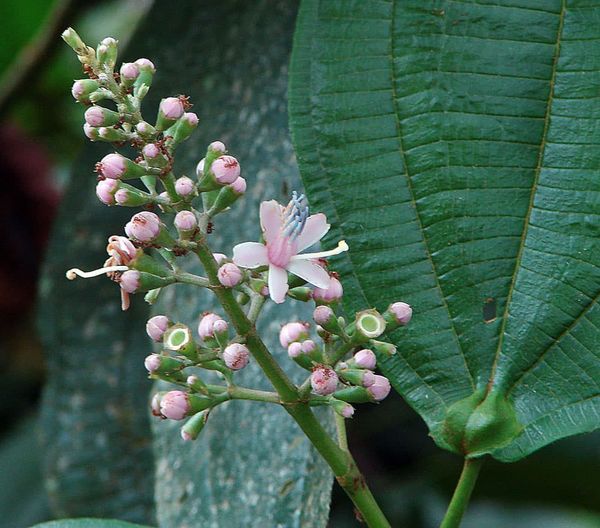
Growing in flooding environments is a high risk strategy for plants. Izzo et al. show that in order to colonize the margins of the Juruena River,
annals-of-botany
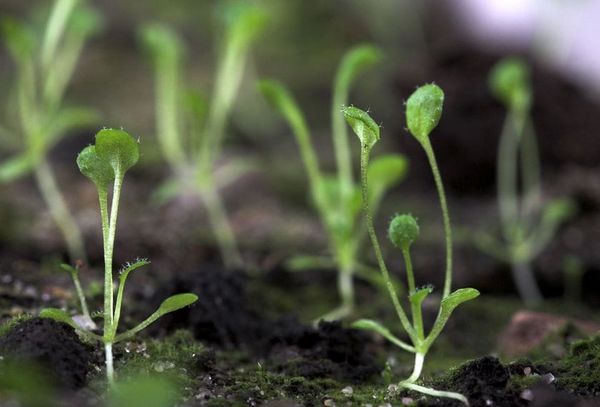
In Grime’s C-S-R strategy model, plant ecological strategies vary between ruderals (R), stress-tolerators (S) and competitors (C). These variations are assumed to
annals-of-botany
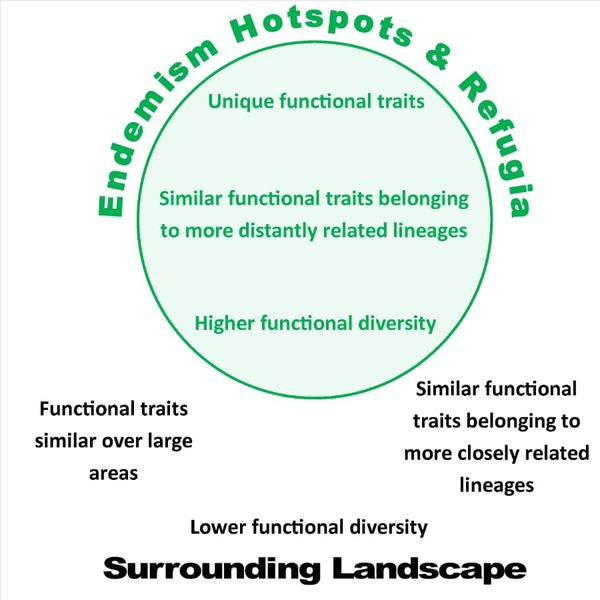
Refugia are island-like habitats that are linked to long-term environmental stability and, as a result, high endemism. Conservation of refugia and endemism hotspots should
annals-of-botany
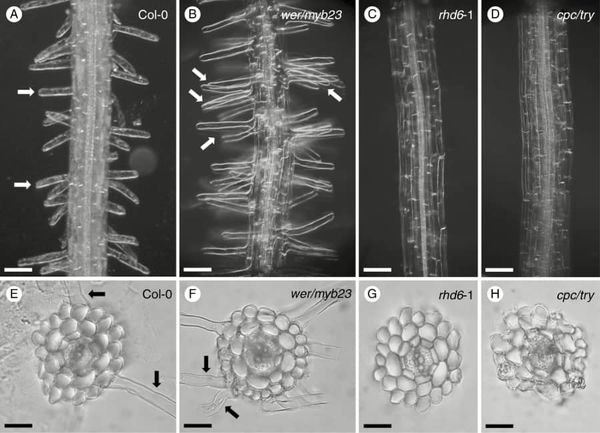
Root hairs increase the contact area of roots with soil and thereby enhance the capacity for solute uptake. The strict hair/non-hair pattern of Arabidopsis