annals-of-botany
A new biological species in the Mercurialis annua polyploid complex
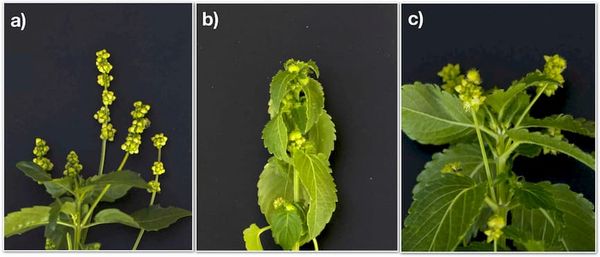
In eastern Spain (and many other places if you look) you can find Mercurialis annua, a plant with a complicated sex life. A new paper by

annals-of-botany
In eastern Spain (and many other places if you look) you can find Mercurialis annua, a plant with a complicated sex life. A new paper by
annals-of-botany
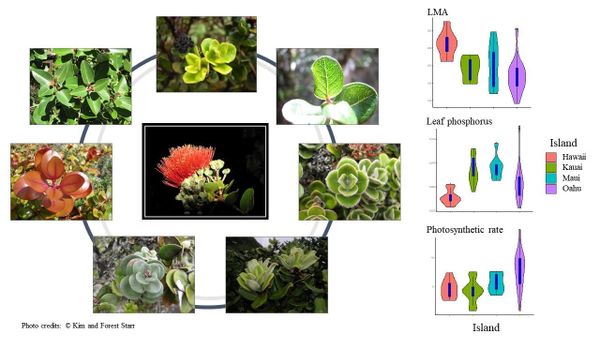
Special Issue Guest Editors: Dr. Kasey Barton, University of Hawaii at Manoa Dr. Andrea Westerband, Macquarie University, Australia Dr. Jennifer Funk, Chapman University, California Plant functional
annals-of-botany
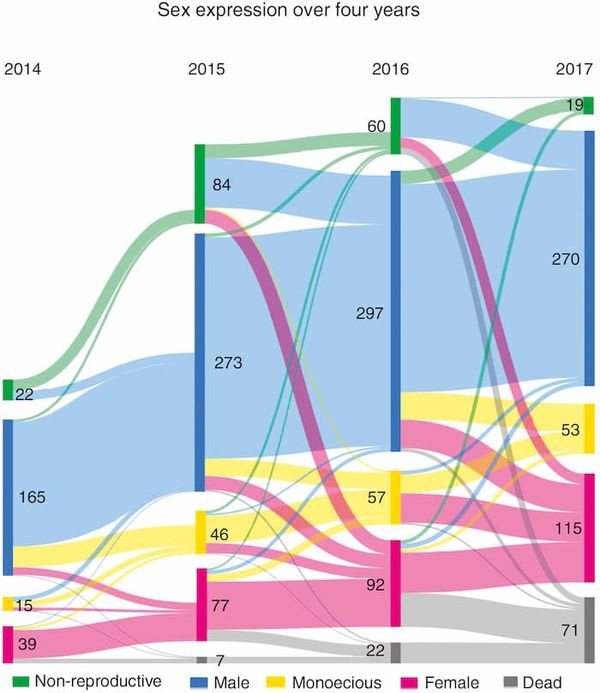
The ability of individuals to change sex during their lifetime is known as environmental sex determination (ESD). This ability represents a unique life history trait, allowing
annals-of-botany
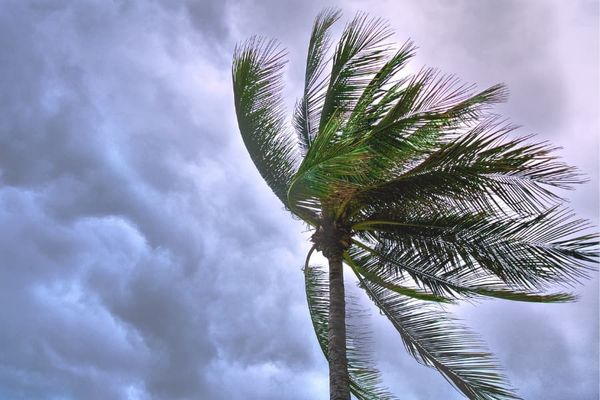
One common prediction for the future is global warming will create stronger storms. What does this mean when a storm hits the shore? It depends what’
annals-of-botany
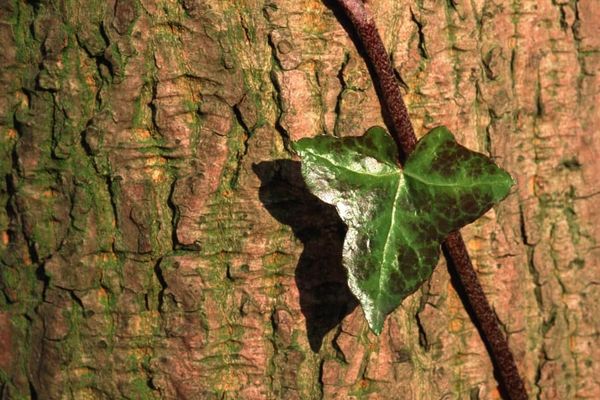
If a plant can lean on something else, does it really need to invest so much in its roots for support? Could resources usually used for
annals-of-botany
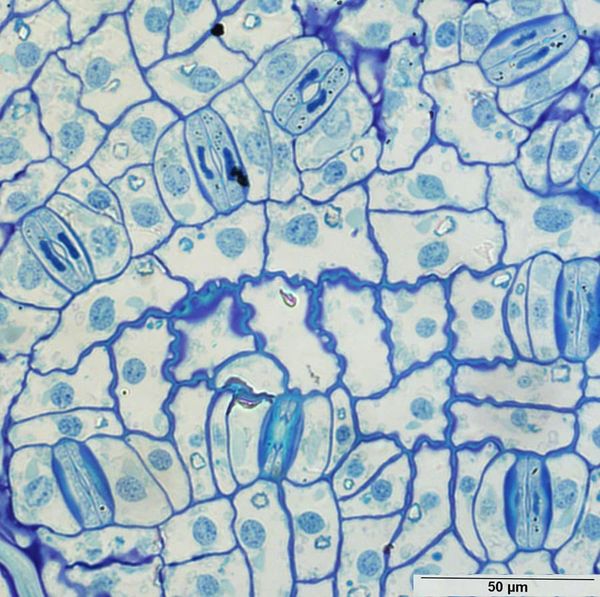
Stomatal development in Ephedra differs significantly from that of Gnetum and Welwitschia, more closely resembling that of other extant gymnosperms. Differences in epidermal pre-patterning broadly reflect differences in growth habit between the three genera.
annals-of-botany
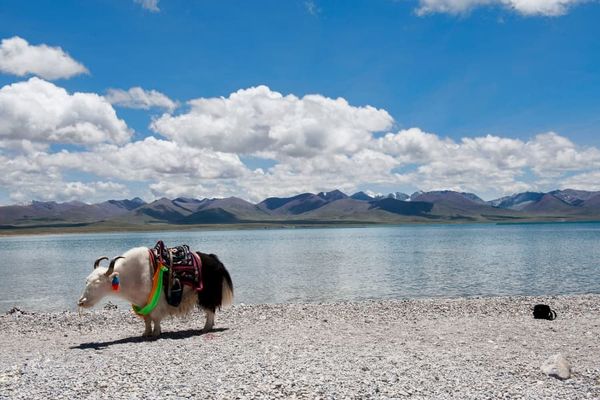
How can you work out what the climate was like in the past, without having had someone take measurements? One solution is to look at tree
annals-of-botany
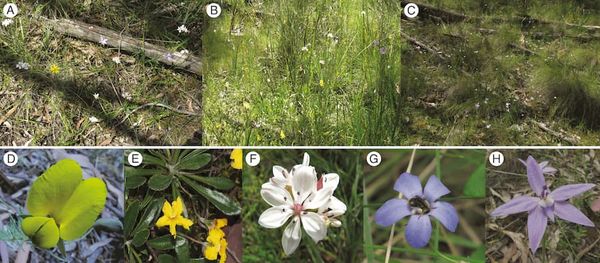
Pollinator-mediated interactions between plant species may affect the composition of angiosperm communities. Floral colour signals should play a role in these interactions, but the role
annals-of-botany
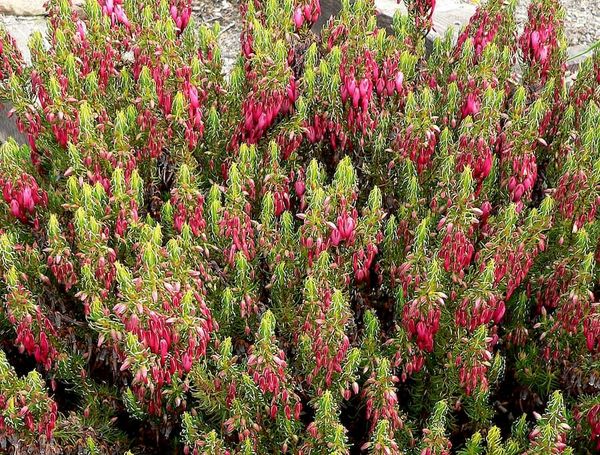
Floral colour in angiosperms can be controlled by variations in the expression of the genes of the anthocyanin pathway. Floral colour shifts influence pollinator specificity. Multiple
annals-of-botany
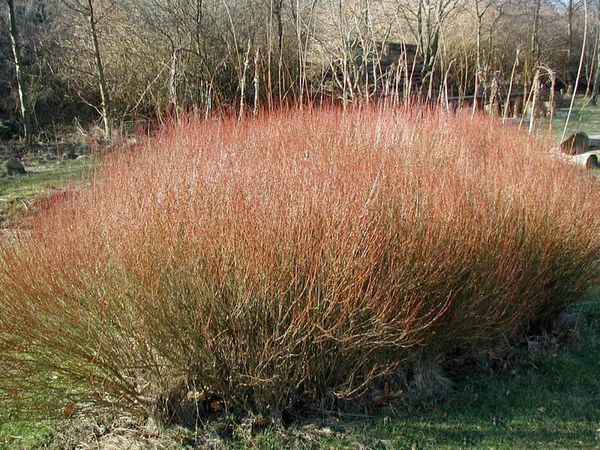
Increasing energy demands and the necessity to reduce greenhouse gas emissions are key motivating factors driving the development of lignocellulosic crops as an alternative to non-
annals-of-botany
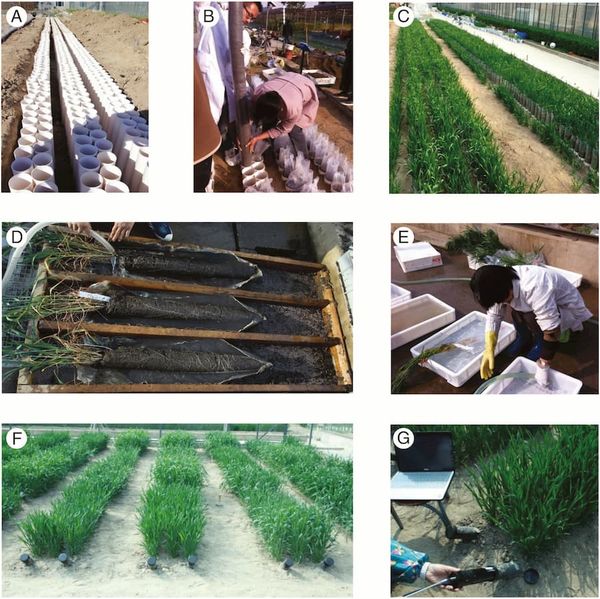
How much wheat do we need? One prediction is we need production to double between 2005 and 2050. This challenge is more difficult due to abiotic
annals-of-botany
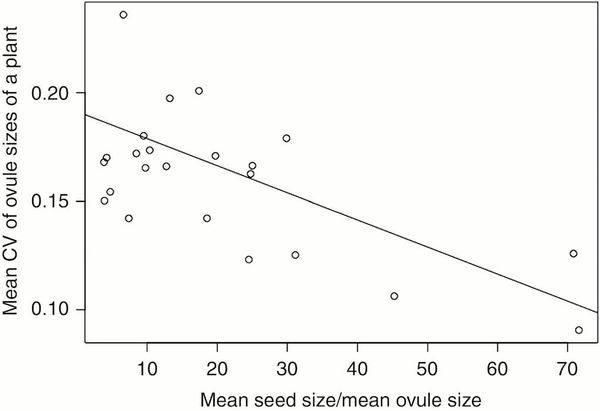
Is there selection minimizing the costs of ovule production? Such selection should lead to a smaller ovule size in relation to seed size and, at the