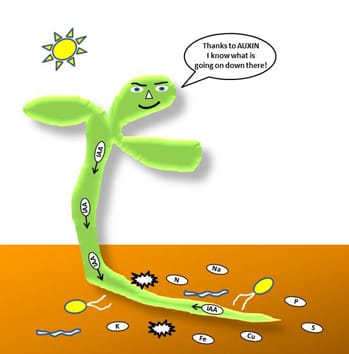
Understanding the molecular mechanisms involved in auxin–environment interactions can assist development of crops better adapted to stressful environments.
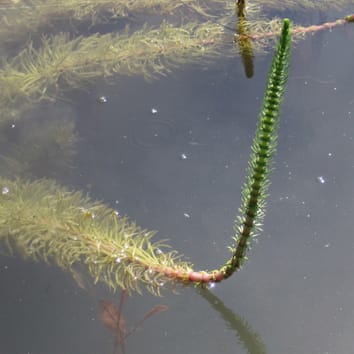
Aquatic plants can be exposed to aerial conditions during periods of low water level, but their biomechanical responses to this have had little attention.
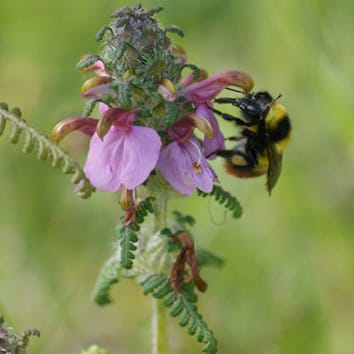
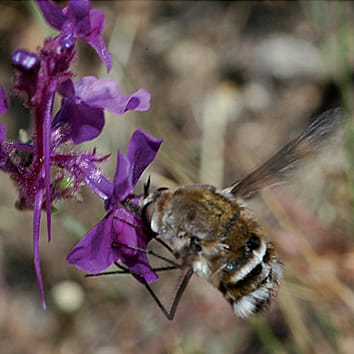
Results suggest that opposing individual-level/species-level selection pressures have driven evolution of pollinator-restrictive traits in bifid toadflaxes.
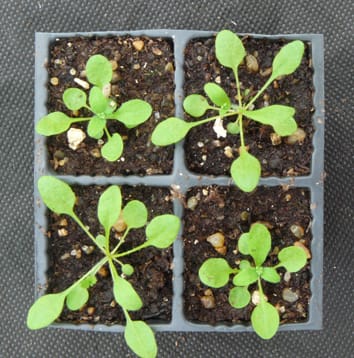
Arabidopsis thaliana genotype mixtures under strong competition and abiotic stress achieve more stable seed production through compensatory interactions.