


I’ve been browsing what’s getting observed near Central Park, New York, recently. If you live in the city, the top three may well be familiar sights, but one of them is certainly less familiar to me.
The Eastern Skunk Cabbage has a semi-misleading name. It's not remotely a cabbage. Cabbages are dicots, and this is a monocot, meaning it only puts out one cotyledon or embryonic leaf, when it germinates. To be strictly accurate, nor is it a skunk, but it does have the smell of one, when you damage the leaves. Its flowers appear at the end of February or start of March, while snow covers the ground, and that could be a problem if you want to attract pollinators when your flowers are also close to the ground.
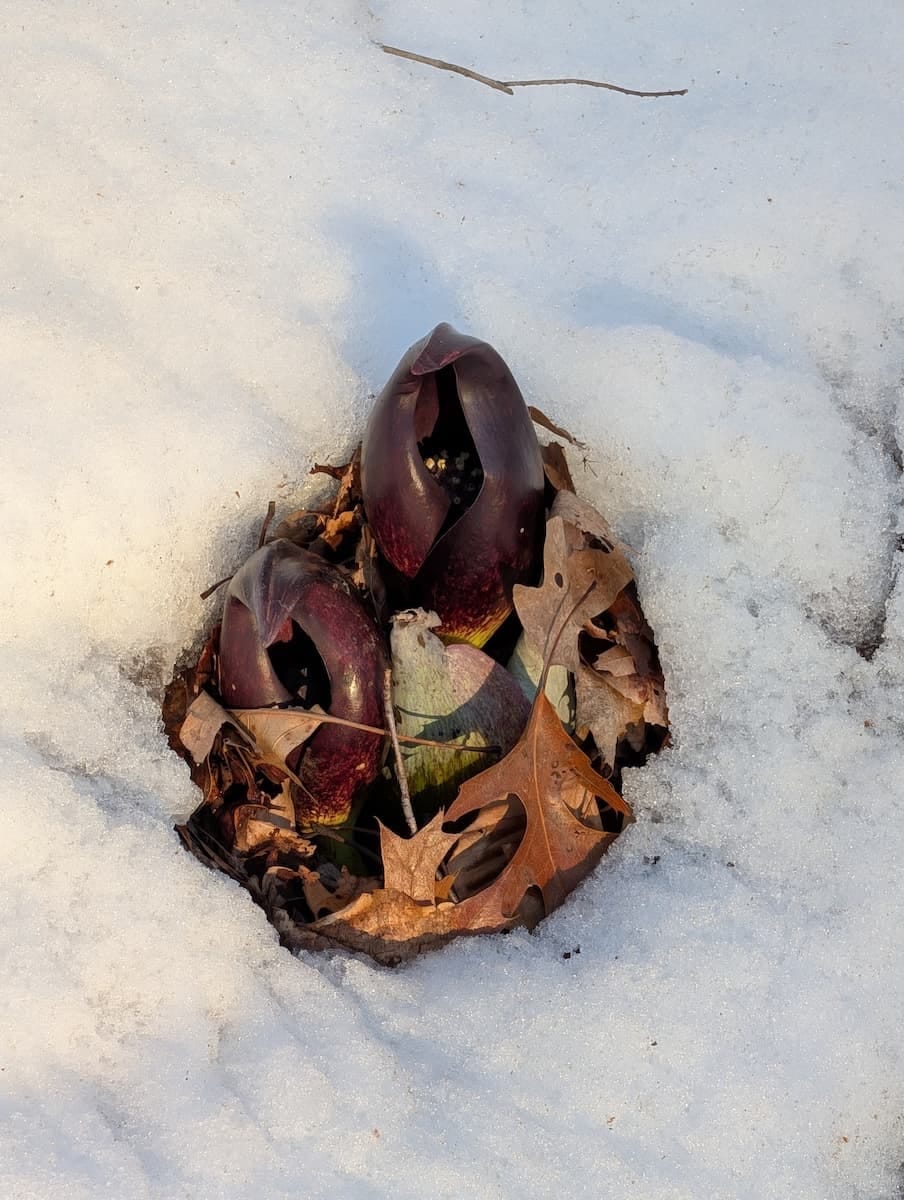
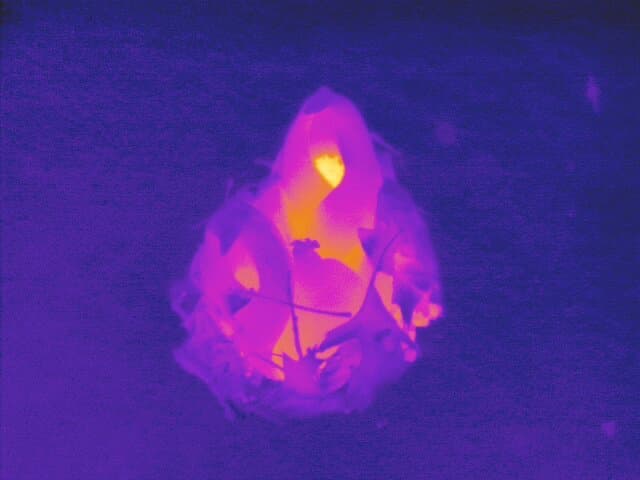
Cody Limber spotted these plants recently near Hamden, Connecticut, where they was sat in the snow. It might look like a lucky find, given the snow cover. However, he also took a thermal image of the plants, that reveals the plant makes its own luck. Symplocarpus foetidus has a trick to make spring come early.
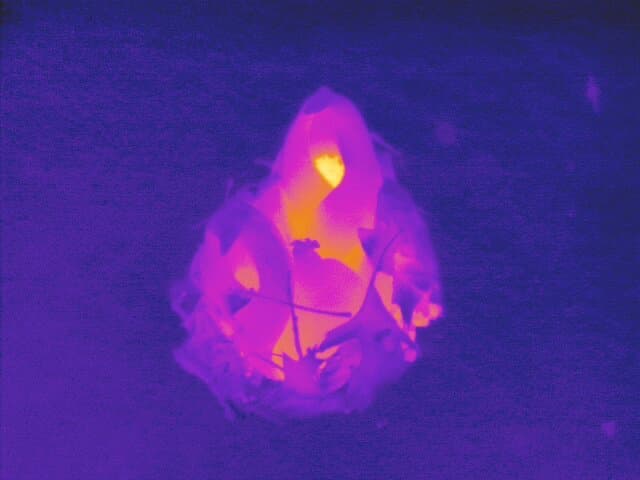
What you can see is heat from the spadix. A spadix is a spike in the heart of the plant that is common in the Araceae, or Arum, family that holds small flowers at the base. When the flower emerges, this spadix starts to heat up, raising temperature 15 to 35 degrees centigrade above ambient temperature, by cyanide-resistant cellular respiration.
Normally when plants break down sugars for energy, they convert most of that energy into a chemical called ATP. This chemical powers cellular activity. What S. foetidus is doing is using an alternative chemical pathway that converts this energy directly into heat. It can keep this up for a couple of weeks and this heat melts snow above the flower. It also has a pollination bonus.
The heat helps drive the scent of the plant into the air. This scent attracts flies, who come to the plant looking for rotting flesh. This flies crawl around inside the flower, collecting and depositing pollen. The warmth in the flower also helps the flies become more energetic at a time when it can be cooler than they'd like.
This energy comes from the rhizomes, stems of the plant underground. These have a large store of starch that the plant digests to produce the flower. After flowering, it then produces massive leaves in order to recharge its battery so that it's ready for next year.
Cover image: Symplocarpus foetidus thermal image by Cody Limber / iNaturalist CC BY-NC