


Since the mid-20th century, Britain’s wild flora has been in retreat. More than half of the country’s native plant species have shrunk in range, helping to make the UK one of the most nature-depleted nations on Earth. Restoring meadows, grasslands and other habitats is now an urgent priority. But bringing plants back is not as simple as scattering seed across degraded areas. For restoration to succeed, germination must happen at the right time—and in a climate that is rapidly changing.
And that is only part of the challenge. Plants from different corners of the country are not identical. Over generations, populations adapt to their local environments, meaning that a seed collected in coastal Cornwall may struggle in the uplands of Yorkshire. For restoration practitioners, choosing the wrong source could undermine success by introducing plants poorly suited to their new home.
Fortunately, scientists have a remarkable resource at their disposal. Since the 1960s, the Millennium Seed Bank at the Royal Botanic Gardens, Kew, has gathered and preserved material from across the UK in carefully controlled conditions. Today, it holds samples from around 80 per cent of the nation’s flora, often representing multiple populations of the same species. This makes the Millennium Seed Bank an invaluable living archive for testing how Britain’s plants might cope with a warmer future.
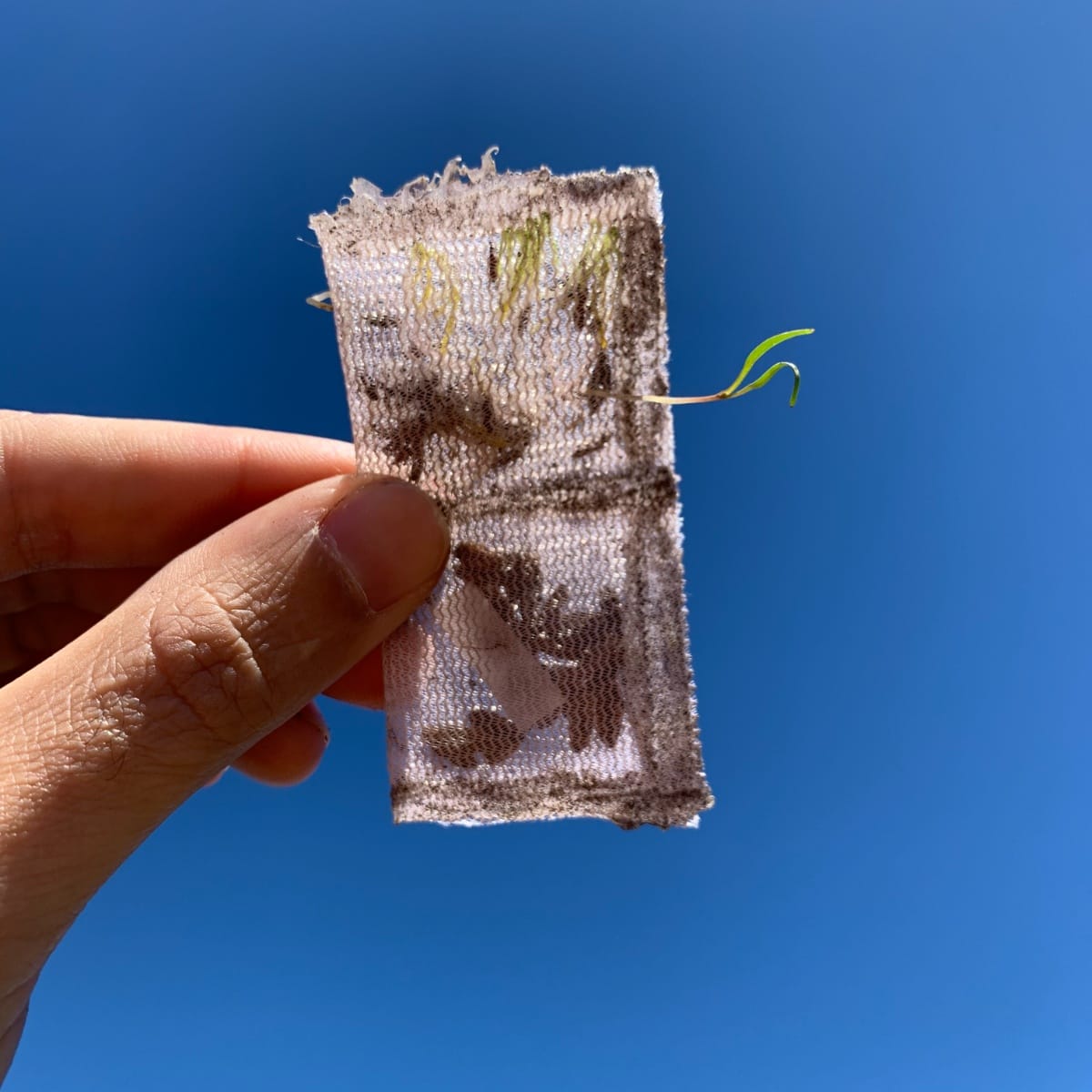
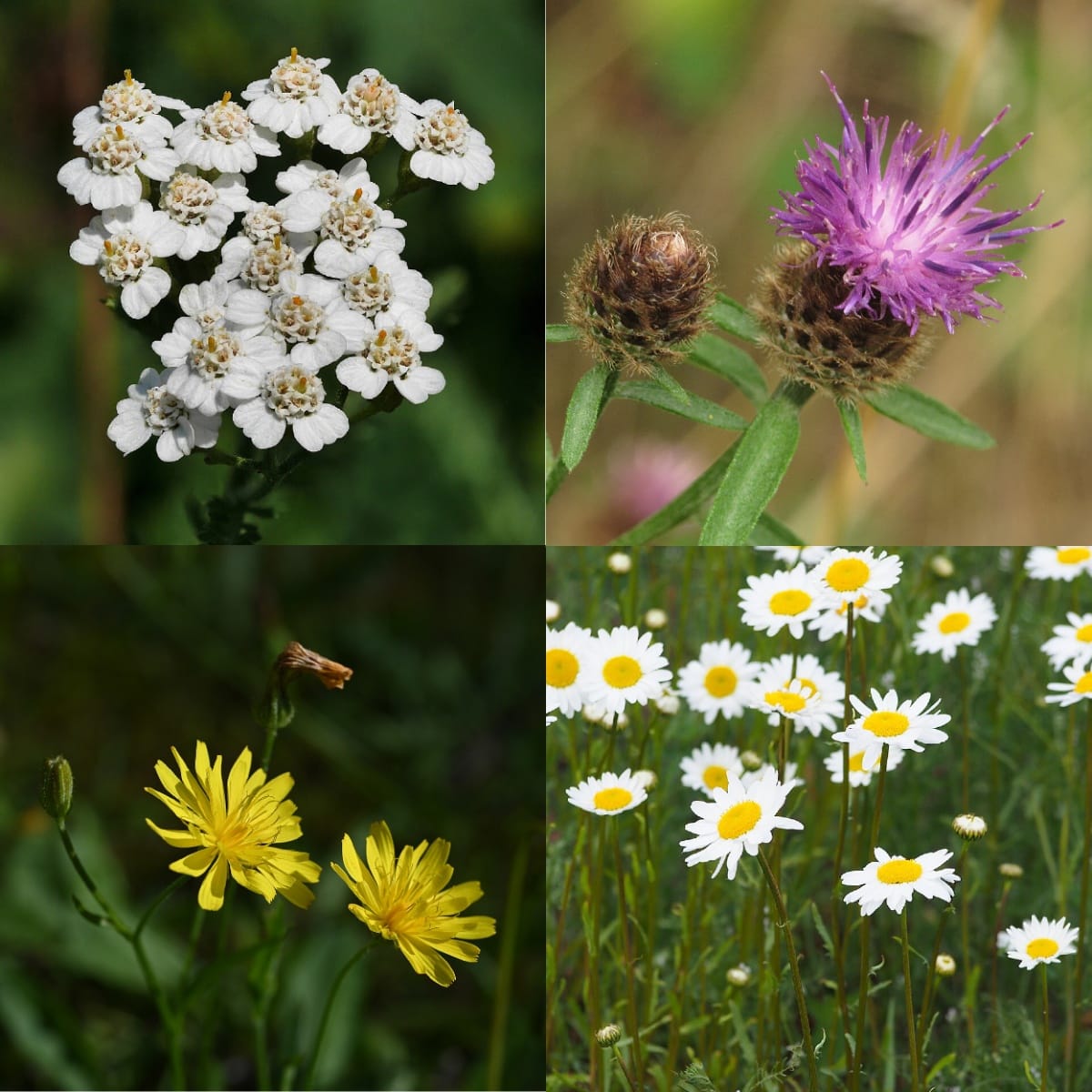
To find out, a team led by Dr Efisio Mattana selected 45 collections from six familiar species: Achillea millefolium, Centaurea nigra, Daucus carota, Leucanthemum vulgare, Rhinanthus minor and Scorzoneroides autumnalis. In the lab, they tested how germination responded to temperatures ranging from 0 to 40°C.
From these experiments, the researchers calculated the minimum, optimum and maximum temperatures at which germination succeeds. They then compared these thresholds with historic climate records and future projections for each collection site to estimate whether future conditions are likely to remain within the safe zone for sprouting.
The good news is that most species appear more heat-tolerant at this early life stage than expected. Achillea millefolium, Centaurea nigra, Leucanthemum vulgare and Scorzoneroides autumnalis all germinated across broad temperature ranges. Warmer autumns and springs are therefore unlikely to prevent these plants from establishing. For restoration projects, that is reassuring.
Daucus carota was trickier. Its seeds are often dormant and must experience a prolonged cold period before they will germinate. Even so, rising temperatures alone are unlikely to become a major barrier, though milder winters could interfere with this cold-triggered process.
The clear outlier was Rhinanthus minor. Unlike the others, it germinated only within a narrow band of low temperatures, usually those of late winter. That tight schedule currently gives it a head start over competitors. But it also makes the species vulnerable: if winters become too mild, its carefully timed life cycle could be disrupted.
When Mattana combined these germination results with earlier assessments of genetic diversity, a more nuanced picture emerged. Achillea millefolium, Leucanthemum vulgare and Scorzoneroides autumnalis stood out as particularly promising for restoration. They appear resilient to warming and carry relatively low risks when mixing populations. Notably, Achillea millefolium and Leucanthemum vulgare showed remarkably consistent germination responses among seed lots, suggesting that sourcing within the UK may be relatively straightforward.
In contrast, Rhinanthus minor and Daucus carota require caution for their use in restoration. Rhinanthus minor was consistent too, yet in a worrying way. Its narrow temperature window was shared across populations, implying that its vulnerability to warming may be widespread rather than local. Daucus carota, meanwhile, demands the most careful sourcing of all, owing to both its cold-dependent germination and substantial variation among populations, meaning that some seed sources may be better suited to future climates than others.
In the end, the message is both hopeful and cautionary. Many of Britain’s wildflowers appear more resilient to rising temperatures than we might have feared, at least at the germination stage. However, local adaptation and seed sourcing still matter, and restoration is not a one-size-fits-all exercise. By combining laboratory experiments with sourcing insights, Mattana’s study offers something rare: a practical guide for making smarter choices about which seeds to sow, and where. In a warming Britain, successful restoration will depend not just on planting more wildflowers, but on planting the right ones.
READ THE ARTICLE:
Mattana E, Fouce Hernandez E, Andrews L, et al.. 2025. Thermal risk of seed germination of UK's plant populations and implications for climate‐smart ecological restoration. Restoration Ecology 34. https://doi.org/10.1111/rec.70239
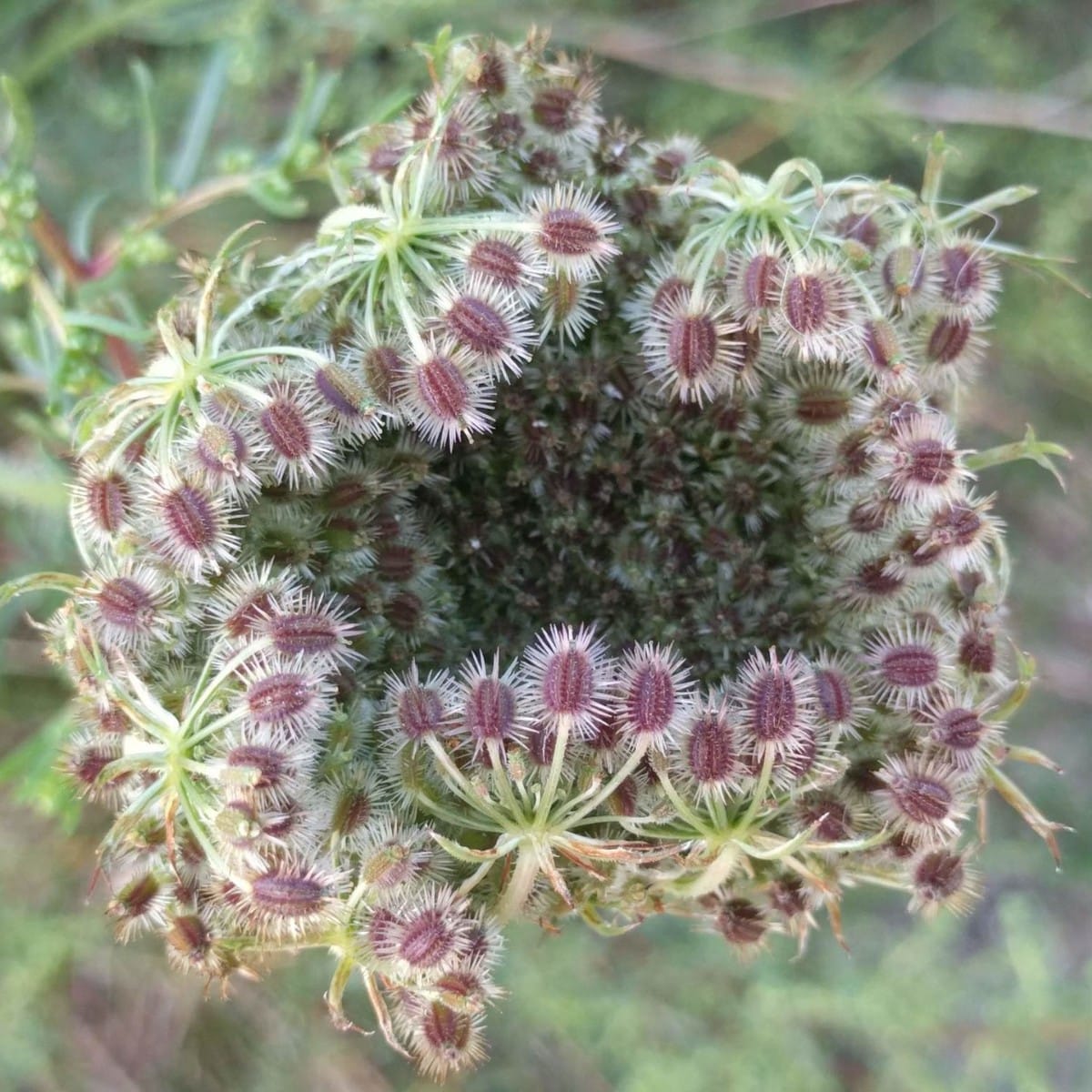
Cover picture: Daucus carota by Michel Langeveld (Wikimedia Commons)