


Seeds have a few ways of travelling, whether it’s often carried by the wind or maybe in fruit by animals. Dispersal by animals is called zoochory, an example would be how a squirrel carries away acorns and buries them. Laura Godó and colleagues have been studying a process called diploendozoochory. Their findings, published in Global Ecology and Conservation, describe how Barn Owls, which are carnivores, can be used by plants to travel to new habitats.
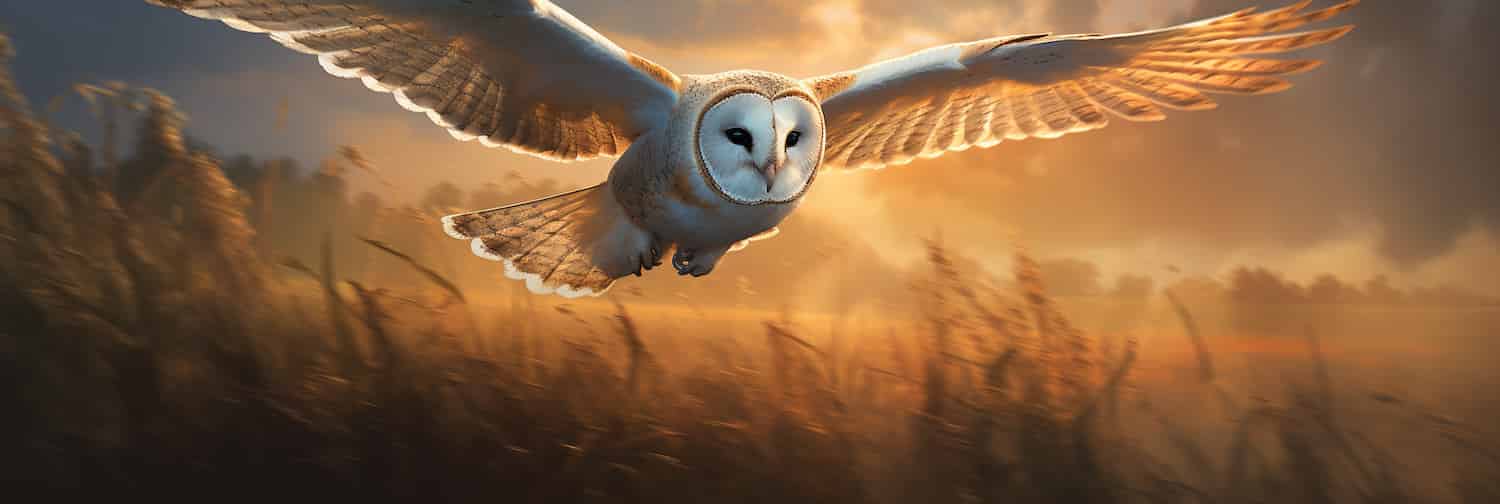
Godó and colleagues based their study in the Hortobágy National Park in eastern Hungary. It’s part of the Great Hungarian Plain, a region known for its wide open grasslands. In this area, barns owls swoop over the grasses looking for mice, shrews and voles. They find plenty and so are never tempted to look for plants to eat to supplement their diet, yet they end up eating plant material nonetheless.
The reason is that their food has already eaten plant material. Barn Owls, Tyto alba, enjoy eating Common Voles, Microtus arvalis, and the voles eat plant material, including seeds. While owls eat voles, swallowing them whole, they can’t digest everything. Fur and bone, in particular, are a problem, so maybe six hours after eating a vole, they cough up a pellet of undigested material. It’s this pellet that includes the plant seeds.
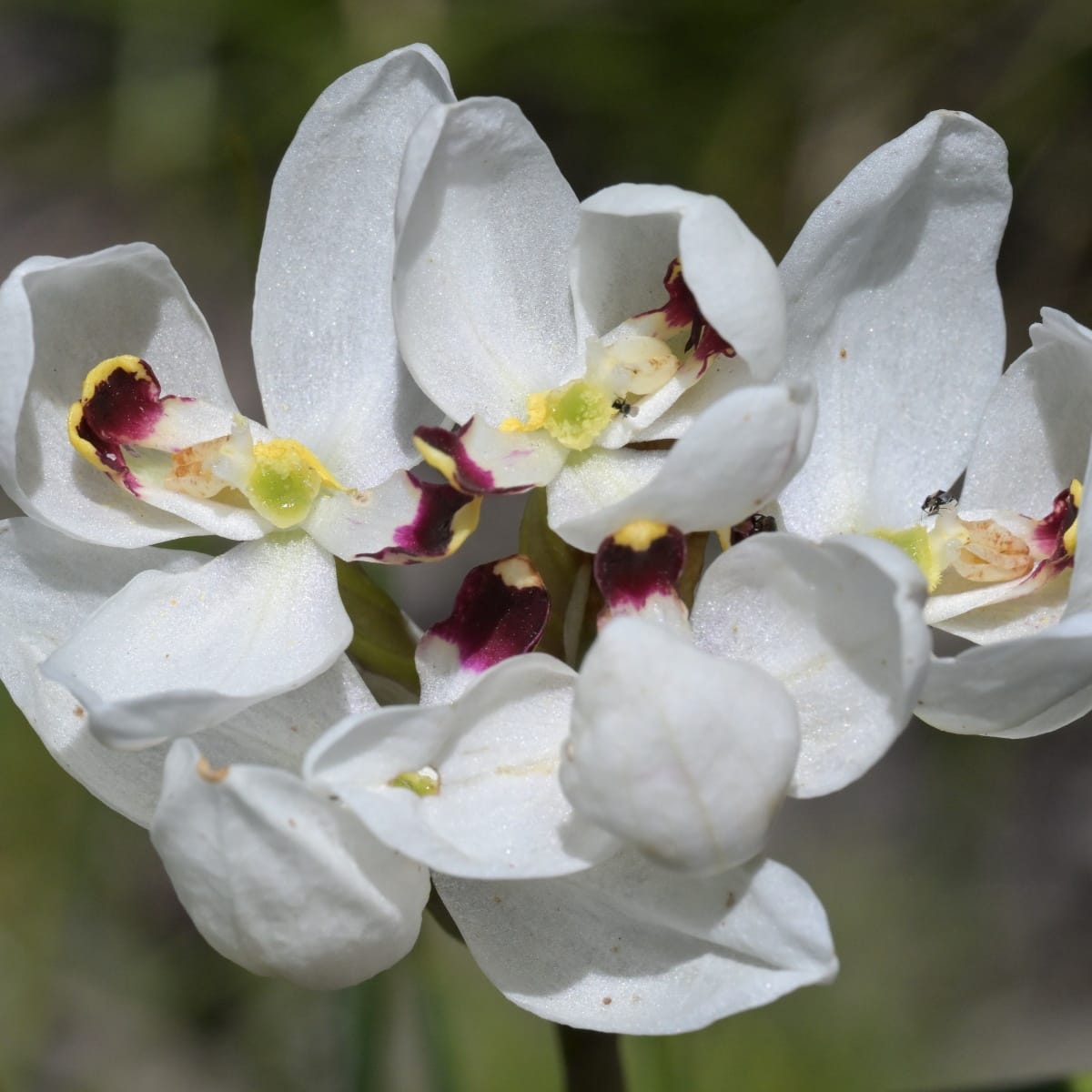
Godó and colleagues wanted to know if the owl pellets benefited the plants, so they tackled two questions. First, they examined owl pellets to see if they contained viable seeds. Next, they conducted another experiment. Using seeds from White Mustard, Sinapis alba, they asked if the pellet, with its supply of partially digested vole, could help a plant grow.
The germination experiment threw up an odd result. The scientists germinated thirty plants from a single autumn pellet in five different species. From the remaining 581 pellets, 18% of the spring pellets had at least one germinable seed. In the autumn, only 7% of pellets contained germinable seeds, dropping to 3% in winter, and only a single summer pellet had a germinable seed.
The next puzzle to solve was if the pellets could help plants grow. To get a good baseline, they needed to work with one plant for their experiments. Instead of using a seed they hoped would be in the owl pellets, they used a plant they knew wouldn't be in them. That way, no random element would make some pellets more suitable for germination simply by having more seeds. In their article, Godó and colleagues write:
We used white mustard (Sinapis alba) seeds for this experiment as mustard seeds are easily available, easy to handle and are characterized by high germination synchrony, rapid establishment and growth. As mustard does not occur in wild and is not cultivated in the study region, we could assume that the pellets used for the experiment did not contain its seeds.Godó et al. 2023.
They found that seeds covered in pellet material germinated more readily, and the seedlings had more biomass, presumably because the material provides protection against harsh environmental conditions and potentially increases the nutrient content at the seedling's disposal. This result contrasts with similar experiments on seeds that have been through a kestrel. Godó and colleagues suggest one reason might be that owls have much weaker digestive fluids than kestrels, so they're not so damaged by the predator's gut.
Another problem with the germination experiment is that the authors say the conditions were 'pessimal' for germination. Pessimal is the opposite of optimal. The problem, in this case, was that the greenhouse was hotter than usual for spring, and they could not control the air temperature. The authors write:
Due to this pessimal condition, the control mustard seedlings had low survival rates, which is a limitation of the experimental setup. However, it also shows the importance of the protective effect of the pellet material in extreme temperature conditions.Godó et al. 2023.
The results matter because the seed dispersal is altered by the owls. It's not simply a case of more seeds surviving and some having a little fertiliser boost. The seeds distributed by rodents only travel so far because a small furry animalscurrying along the ground can only travel so far. When an owl swoops in, it takes the prey's remains on a trip. If that trip is to a barn, as it often is for a Barn Owl, that's not a lot of help. But other places an owl may regurgitate a pellet include fences or trees, often as some distance from the original plant or kill site. This means that the additional travel by owl can allow plants to colonise new and relatively distant habitats. Godó and colleagues conclude that this could be important for many plants.
Extensive and rapid changes in land-use and climate further increase the importance of alternative dispersal agents which can support the resilience of plant populations in fragmented landscapes. Although only a few seeds are transported by a single pellet, due to the high number of pellets produced by an individual and the facilitative effect of pellet material on seedlings owls may play an important role in long distance seed dispersal in open landscapes. Also, Tyto species occur worldwide so these results can be applied to other regions where similar conditions exist.Godó et al. 2023.
READ THE ARTICLE
Godó, L., Borza, S., Valkó, O., Rádai, Z. and Deák, B. (2023) “Owl-mediated diploendozoochorous seed dispersal increases dispersal distance and supports seedling establishment,” Global Ecology and Conservation, 45(e02519), p. e02519. Available at: https://doi.org/10.1016/j.gecco.2023.e02519.