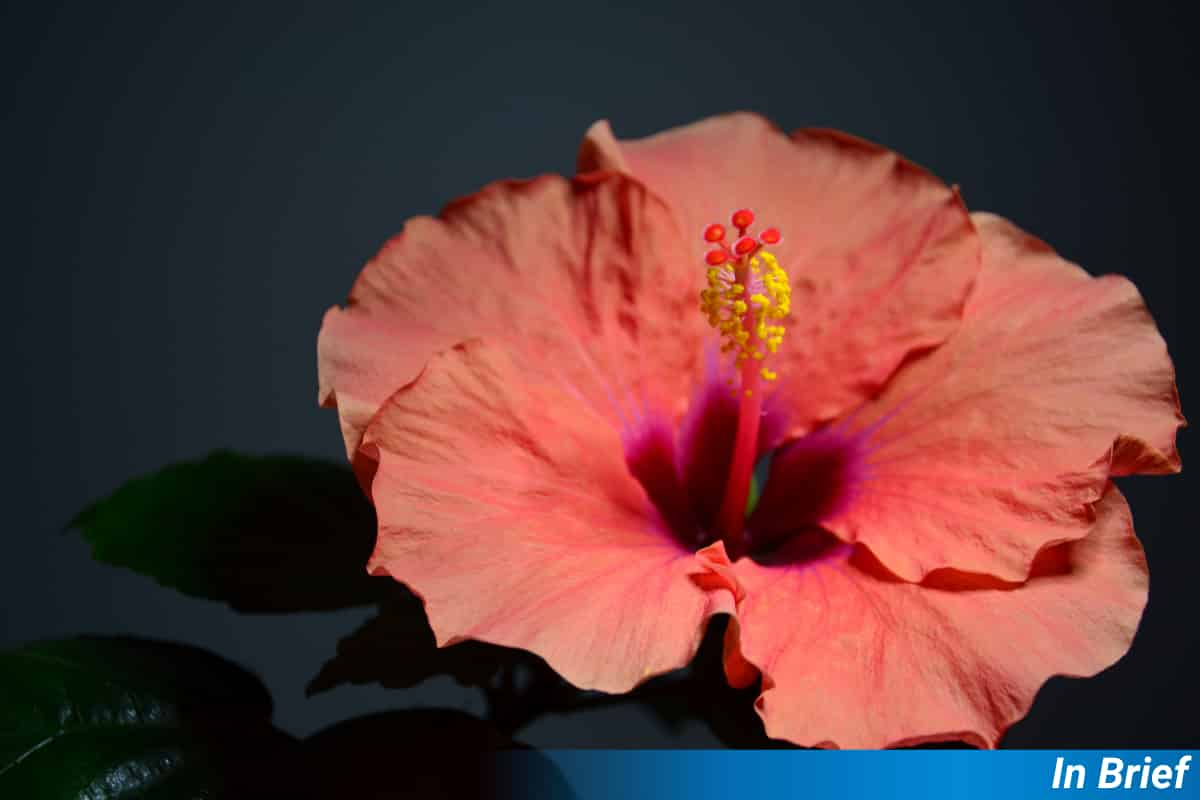



How do you grab the attention of a passing pollinator? One trait that botanists have discussed is fluorescence, the ability to absorb light of one wavelength and emit it at a longer wavelength. An example would be something shining under UV light. There’s some debate about whether or not fluorescent nectar is an evolved trait that attracts the attention of bees. The debate is likely to become more stirred-up as Wester & Brühn have found fluorescent nectar in plants pollinated by mice or shrews.
Wester & Brühn tested the nectar of the pineapple lily and three hedgehog lilies. They found the nectar absorbed UV light and fluoresced blue or blue-green. The plants are pollinated by mice and shrews that have eyesight that are sensitive to blue and green, so this could appear to be significant, but the authors are sceptical. They note that the animals that pollinate the plants are crepuscular or nocturnal, so colour vision would not be optimal at this time.
They found that the nectar fluoresced by photographing the flowers in a dark room lit by UV light. They used a Lumix camera with a filter to cut out sensitivity to UV and IR light. They then ensured their ‘light’ only shone at 365 nm in the UV spectrum. This way, any visible light in the camera had to be in the visible spectrum and could only have come from the nectar or flowers fluorescing.
Wester & Brühn say previous studies have found fluorescence in bee-pollinated species but not in plants pollinated by butterflies, moths, or birds. This distinction makes it look like fluorescence has an evolutionary purpose. However, they say “almost no data are available for plants pollinated by other animal groups.” Given they have found fluorescent nectar in night-pollinated plants, and fluorescent pollen in wind-pollinated plants, they argue that fluorescence is more likely a by-product of nectar chemistry than something naturally selected.
Wester, P., & Brühn, P. (2024). Fluorescent nectar in non-flying mammal-pollinated plants – observations and considerations in some Asparagaceae. Plant Ecology and Evolution, 157(3), 327-335. https://doi.org/10.5091/plecevo.124295