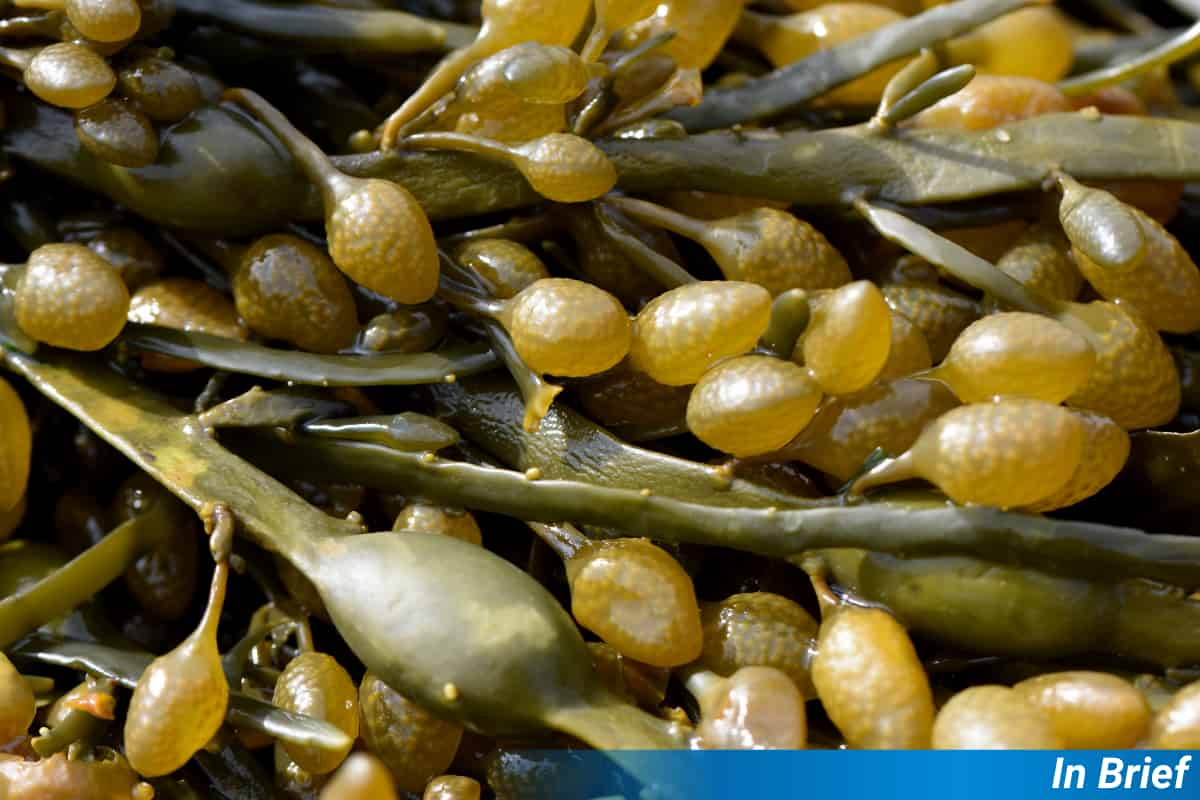



Controlling when plants to bloom can have benefits for agriculture and there are things that can help, but it would be useful to know how they work. Bahmani & Prithiviraj examined Ascophyllum nodosum extract (ANE) and the seaweed’s effect on the model plant Arabidopsis thaliana. They found that adding one part in a thousand of ANE was enough to induce flowering, thanks to the solution’s effect on a genetic pathway related to plant age.
Bahmani & Prithiviraj found that adding ANE to the plants triggered upregulation in key flowering time genes: FT (FLOWERING LOCUS T), SOC1 (SUPPRESSOR OF OVEREXPRESSION OF CONSTANS 1), and LFY (LEAFY). It also decreased the expression levels of MIR156A and MIR156C, which inhibit the flowering process. The key chemical appears to be fucoidan, which the plant confuses with some simple sugars that trigger the changes in gene expression.
The botanists found this out by growing Arabidopsis plants with different amounts of seaweed extract. They counted leaves and days until the plants flowered, and looked at how active flowering-related genes were. They also used plants with standard genes and with extra copies of key flowering genes.
While we primarily attribute the observed effects to fucoidan, it is plausible that other bioactive compounds also contribute to the regulatory networks involved. ANEs are complex mixtures comprising a diverse range of bioactive constituents, including amino acids, phenolics, vitamins, osmolytes, phytohormones, and hormone-like substances.
Bahmani, R. & Prithiviraj, B. 2024. A Plant biostimulant prepared from Ascophyllum nodosum Induces Flowering by Regulating the MIR156-mediated Age Pathway in Arabidopsis. Physiologia Plantarum. https://doi.org/10.1111/ppl.14531 (OA)