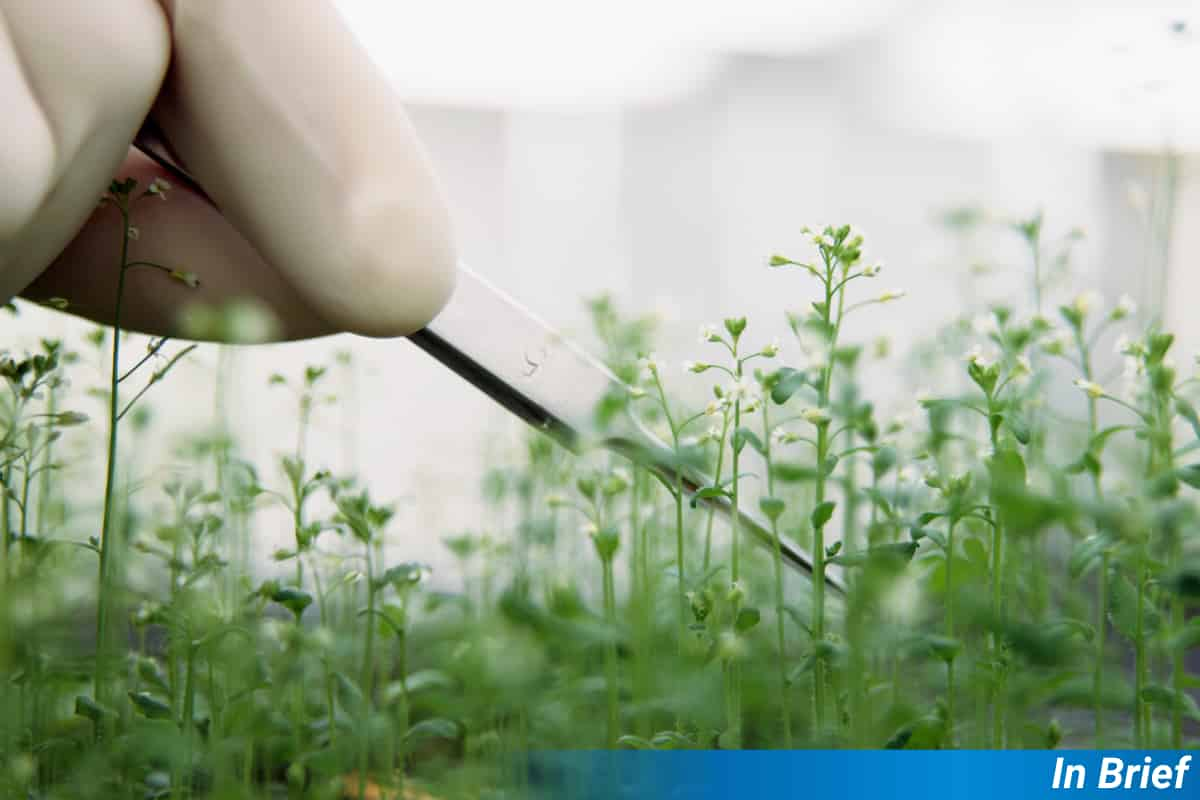



What drives plant adaptation: soil or climate? A new study in Biology Letters by Ellis and colleagues tackles this question using Arabidopsis thaliana from Italy and Sweden. Through a reciprocal transplant experiment, they discovered that climate, not soil type, is the primary force behind plant adaptation. Local plants thrived in their native sites regardless of soil origin, suggesting broad soil tolerance. This research enhances our understanding of plant evolution and may help predict how species will respond to environmental changes.
The study revealed striking differences in plant performance between local and non-local ecotypes. At both Italian and Swedish sites, local plants showed 4.4 to 6.2 times higher overall fitness than their non-local counterparts. Surprisingly, soil type had minimal impact on plant success. Whether grown in local or non-local soil, plants performed similarly, indicating that soil adaptation plays a minor role. These findings strongly suggest that climate, rather than soil composition, is the primary driver of adaptive differences between these Arabidopsis thaliana ecotypes.
Ellis and colleagues employed a factorial reciprocal-transplant experiment to disentangle soil and climate effects on plant adaptation. They grew Italian and Swedish Arabidopsis thaliana ecotypes at both native sites, using soil from each location. The team transplanted 2,080 seedlings, ensuring a robust sample size. They tracked plant survival, fruit production, and seed count. By comparing plant performance across different site-soil combinations, the researchers could isolate the impacts of climate and soil type on plant fitness and adaptation.
This study builds on previous research showing Arabidopsis thaliana’s adaptation to local climates. While some plants adapt to extreme soil conditions, these findings suggest a broader soil tolerance in Arabidopsis thaliana. The results contrast with studies showing soil adaptation in other Arabidopsis thaliana populations, highlighting the complexity of plant-environment interactions.
[T]he relative importance of adaptation to climate and to soil is still incompletely known. We suggest that this is an important gap to fill for understanding and predicting the consequences of environmental change for species distributions, local adaptation and the management of declining species.
Ellis TJ, Ågren J. 2024 Adaptation to soil type contributes little to local adaptation in an Italian and a Swedish ecotype of Arabidopsis thaliana on contrasting soils. Biol. Lett. 20: 20240236. https://doi.org/10.1098/rsbl.2024.0236 (OA)