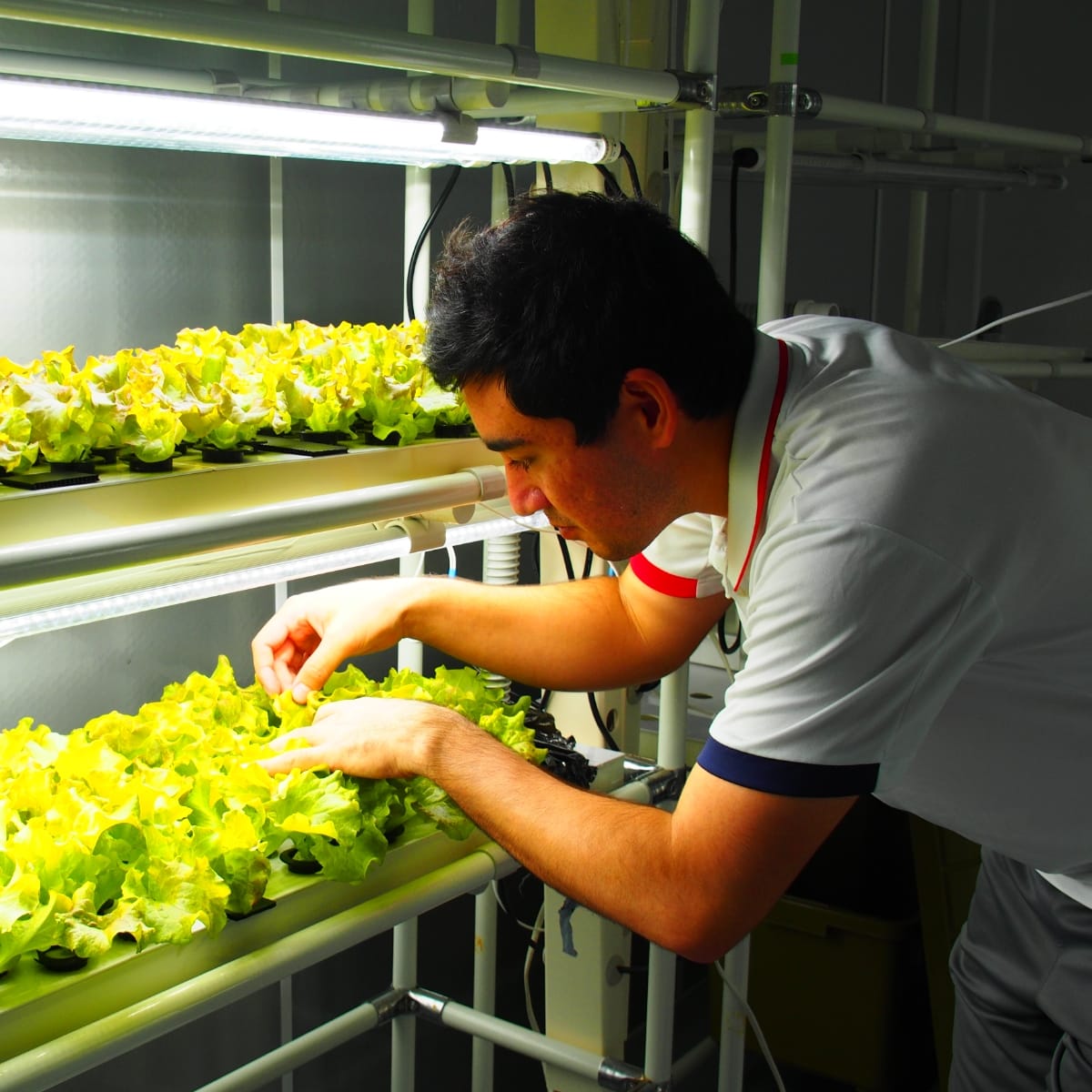



Plants are incredibly diverse, and so are botanists! In its mission to spread fascinating stories about the plant world, Botany One also introduces you to the scientists behind these great stories.
Today, we have Dr Luiza Teixeira-Costa, a Brazilian botanist whose work bridges plant biology—from morphology and development to ecology and evolution—with the plant and environmental humanities, including urban landscaping and the social history of botany. She holds a bachelor’s degree in Biology from the Universidade Federal de São Paulo, as well as a master’s and a PhD in Botany from the Universidade de São Paulo. Since completing her doctorate, she has undertaken postdoctoral research in several institutions, including Harvard University (United States) and the Meertens Instituut in the Netherlands, where she is currently based. On her website, you can learn more about her research and her experience working and living in different countries as an academic. You can also follow her on Bluesky
What made you become interested in plants?
I first became interested in plants during one of my classes as an undergraduate student. We had a guest speaker give a talk about parasitic flowering plants. That was an eye-opener to me! Until then, I had always thought of all plants as fully autotrophic, at most complementing their nutrition with an occasional insect, as carnivorous plants do. The idea that plants could live by hijacking the vascular system of another plant to obtain nutrients sounded so strange and unlikely that my interest immediately peaked!
What motivated you to pursue your current area of research?
During my master’s degree, I wanted to explore other options and decided to pursue a programme in the history of science, museum studies, and science outreach. The programme was offered by the Instituto Butantan, which is widely known for its research in herpetology and biomedicine. To my surprise, I learned that this institution had hosted one of the first botanical gardens in Brazil, in addition to some interesting research on ethnobotany. Through this programme, I then gained new transferable skills and knowledge and was also made aware of the deep connections and relationships between plants and people. I published some research about botanical art and history at the time, but I ended up pursuing a PhD, and later three postdoctoral projects focusing on parasitic plant biology. I would not have changed these projects and experiences for anything else. But, after all of it, I wanted to resume my transdisciplinary research combining plant sciences and the humanities. That led me to apply for my current position in a project that analyses botanical records through a social lens. This has allowed me to understand and explore plant diversity in a variety of ways at the same time, which is something that motivates me a lot.
What is your favourite part of your work related to plants?
Plants are, and always have been, all around us. Not only in gardens and faraway natural areas, but inside our homes. Plants are some of our most constant companions, while also providing us food, clothing, shelter, decoration, etc. Because of that, also due to their usually slower response time, many (but surely not all!) people tend, conscious or unconsciously, to ignore them. Yet plants are true rebels! They have amazing developmental plasticity, meaning they can change their body plan in response to multiple factors. For example, plants can grow roots directly from leaves or form phloem cells in the middle of the xylem tissue. That is impossible for most multicellular, non-plant organisms. At the end of the day, every plant, regardless of how common or abundant it is, carries with it a piece of human and more-than-human history, while also showing very peculiar ways of growing and responding to the environment. In this way, working with plants is always exciting and full of unexpected observations.
Are any specific plants or species that have intrigued or inspired your research? If so, what are they and why?
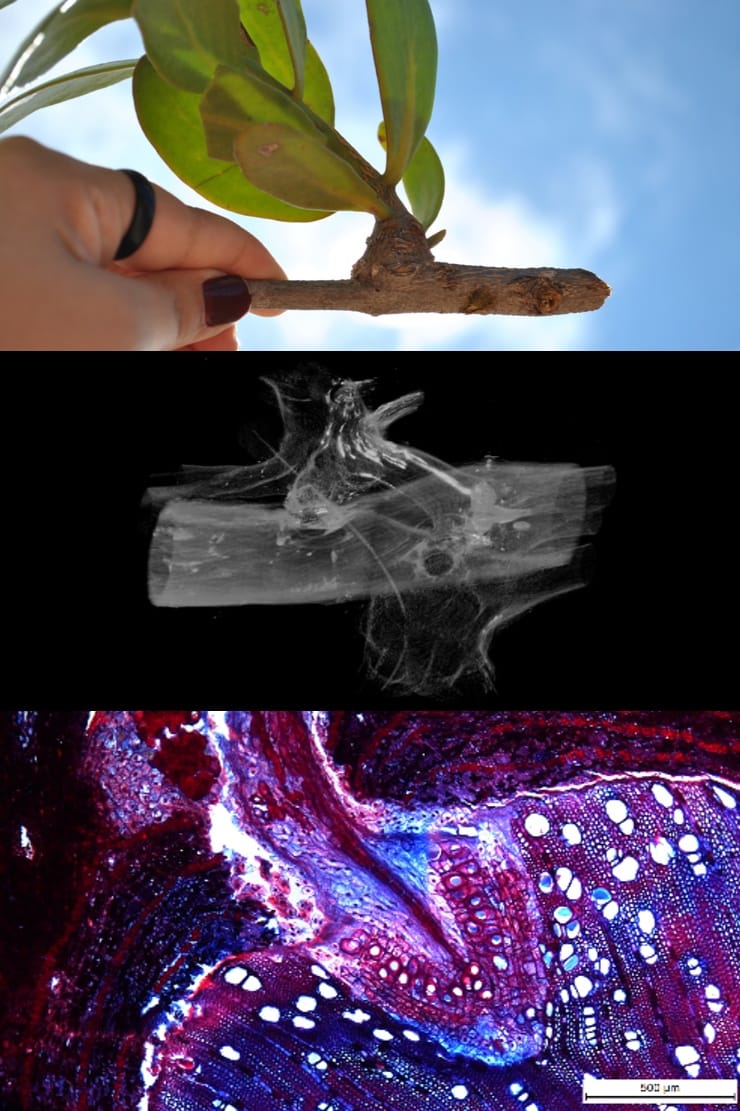
Parasitic flowering plants have undoubtedly been my greatest source of research inspiration, from their peculiar morphology to their eco-physiological responses to climate change. I’m also increasingly interested in the way some of these plants, especially mistletoes like Viscum album (Viscaceae) and parasitic trees like Nuytsia floribunda (Loranthaceae) have been understood in the past and how they are represented in works of literature. More recently, I’ve also become interested in a variety of species considered to be invasive in different parts of the world. I’m intrigued by the relationships people have established with plants like the prickly pear (Opuntia ficus-indica, Cactaceae) and the tipu tree (Tipuana tipu, Fabaceae), and how these relationships culminated in the introduction of such species to so many countries outside their native range. In times of increased human displacement and returning extreme nationalism, it is more important than ever to consider invasive plants from a multidisciplinary perspective, including ecology, botany, history, and anthropology. I will soon start a project to analyse how people in the 19th and 20th centuries perceived these and other similar plants. The field of invasion ecology
Could you share an experience or anecdote from your work that has marked your career and reaffirmed your fascination with plants?
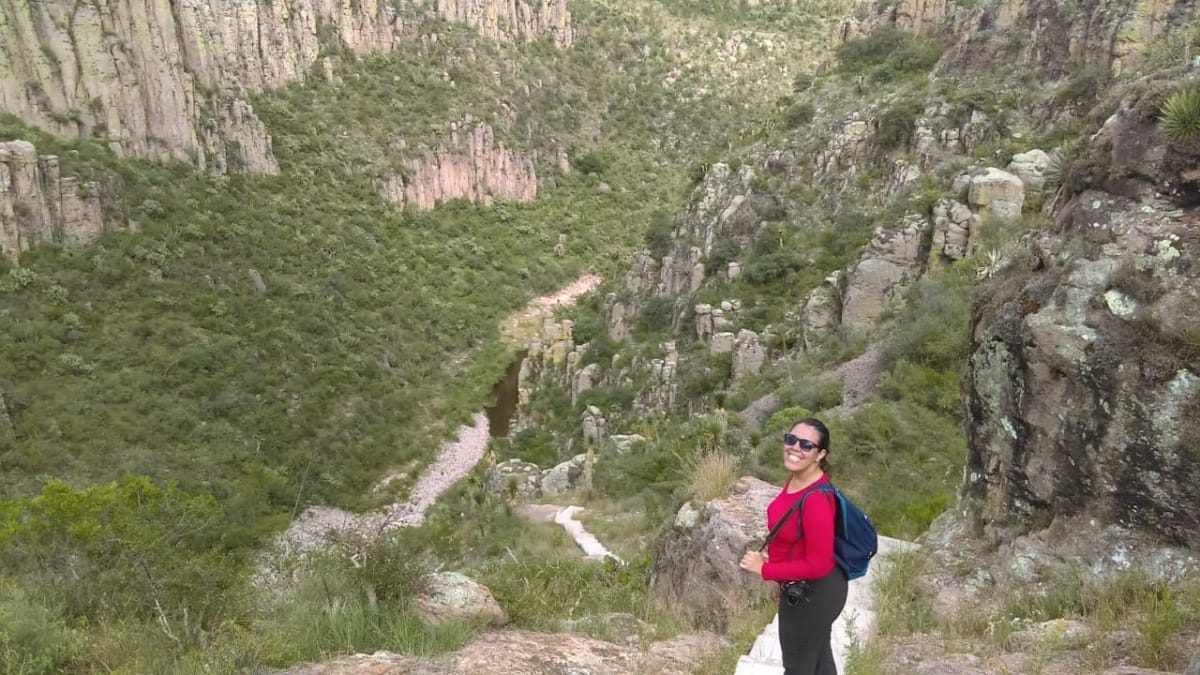
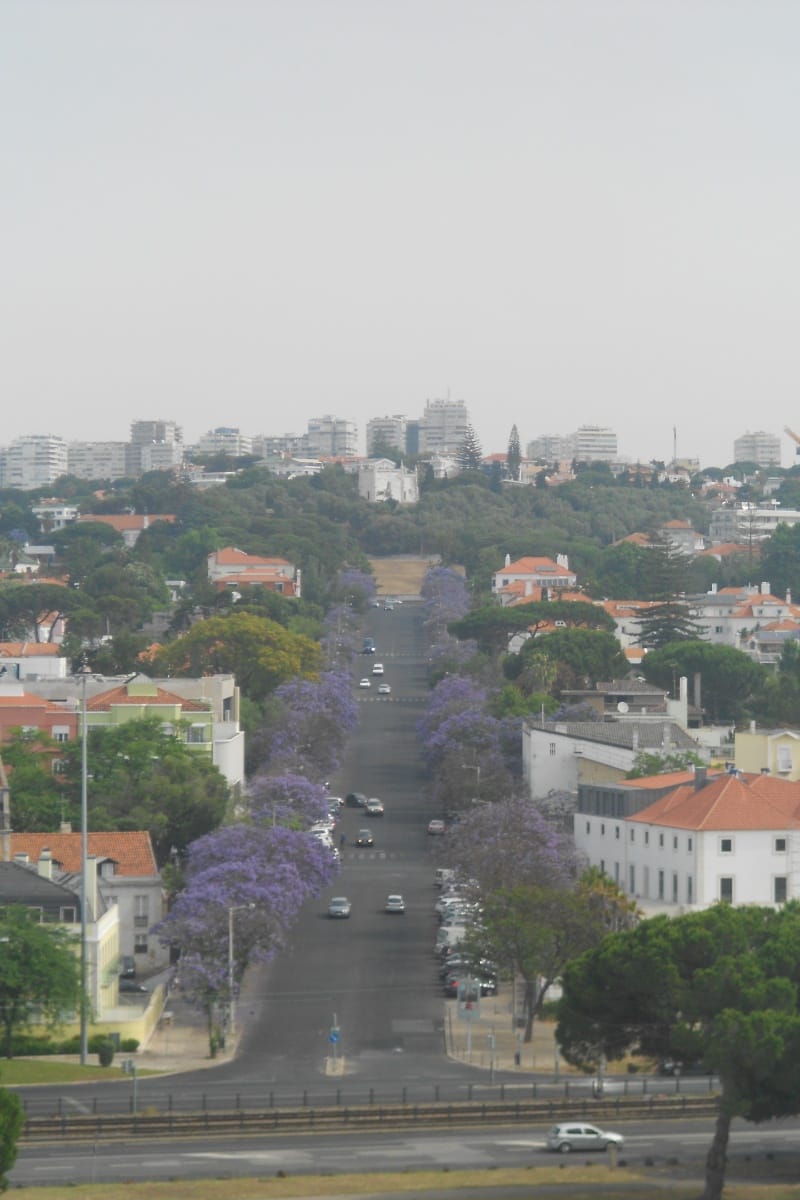
There have been so many of these moments! When I first heard about parasitic flowering plants, I was really impressed and started noticing them, especially mistletoes, everywhere I went, including the very neighbourhood where I lived. Later, learning that two of the most common trees in the urban landscaping of Southwest Brazil, the tipu and blue jacaranda trees, are actually not native to the region, was also a landmark in my career. It is a small thing, but it made me aware for the first time of how much people and plants have travelled together, migrating and making their homes in different places. And, of course, the fieldwork I did across different biomes in Brazil and Mexico during my PhD research is unforgettable. To see so much biodiversity, and to notice the fantastic adaptations to life in regions varying from semi-desert places to wetlands has reaffirmed my fascination with plants over and over.
What advice would you give young scientists considering a career in plant biology?
Explore possibilities! I believe that science in general, but especially plant science, is much more than the academic environment, with papers, experiments, and laboratories. Our current scenario is one of multiple simultaneous crises, and we can only work through them by engaging with other ways of thinking and seeing the world, including the plants in it. The recent boom in plant humanities has greatly increased the opportunities for interaction and collaboration with other disciplines and ways of understanding plants. More than that, the ubiquity of plants in our lives offers a possibility to engage with anyone regardless of their profession or background. Everyone has a plant story to tell, and you never know what sort of idea will be sparked simply by listening to someone else’s observations or curious story about plants. Pay attention to plants themselves, but also to how other organisms, including humans, interact with them.
What do people usually get wrong about plants?
I guess most people think that plants don’t move. However, it’s a matter of perspective, as maybe most plant-related things are. As animals, we humans tend to think of movement as something abrupt and sort of fast. And some plants move very fast indeed, like many carnivorous plants with trap mechanisms or dwarf mistletoes that can expel their seeds at 100km/h. But most plants live in a different timing altogether, which means that the speed and importance of their movements are usually not in our human time scale. Plants often require us to have patience and pay close attention, which I think is a perfect reminder in the times we live!
Cover picture by Luiza Teixeira-Costa.