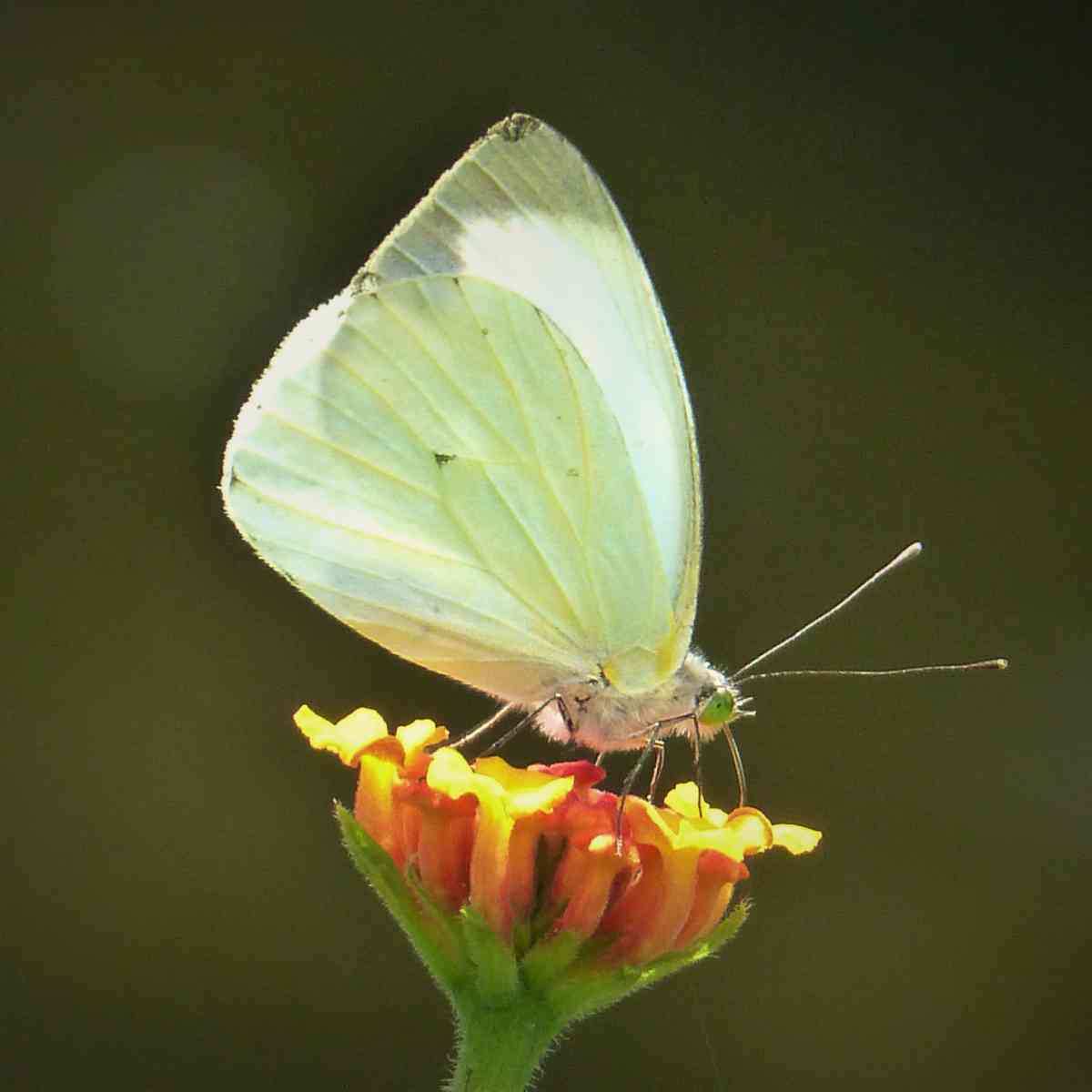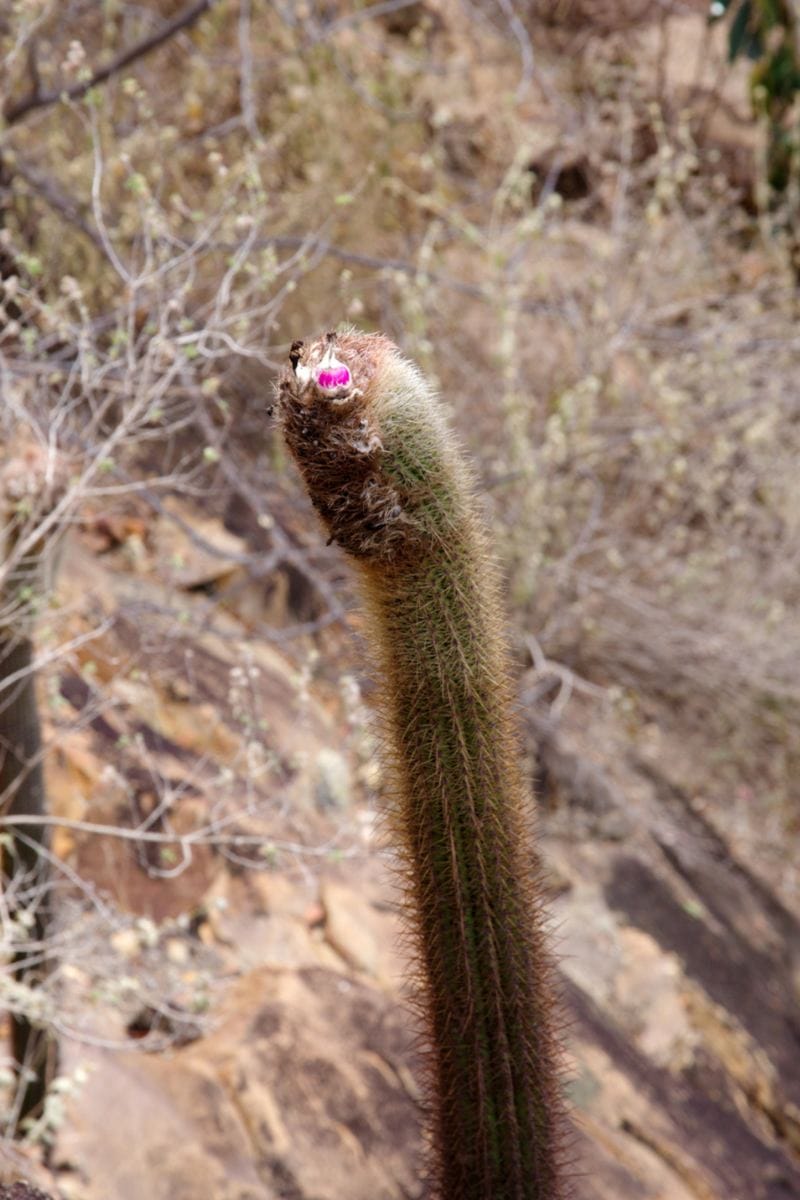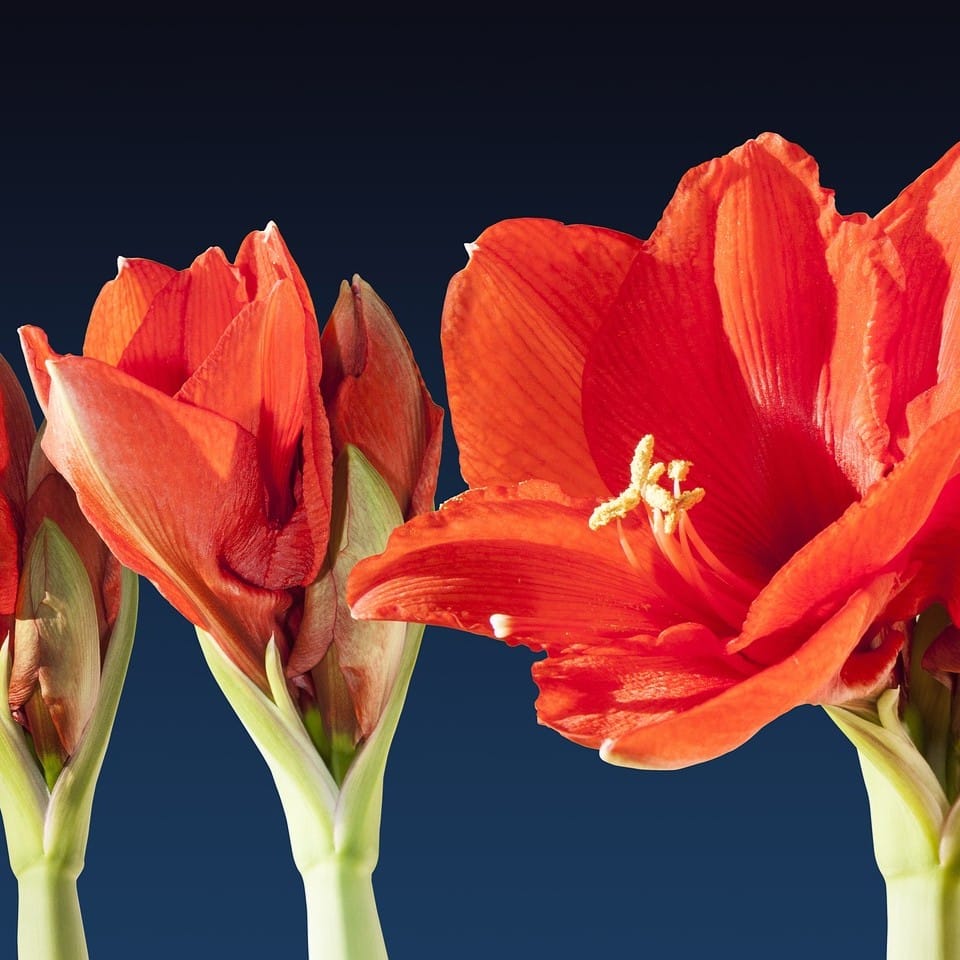


Spring in the northern hemisphere is just around the corner, bringing with it a long-awaited event: snowy landscapes giving way to flower-filled fields. But even though we all love flowers, we often forget that they began as buds that grew, twisted, and changed colour before becoming what we admire. Why is that? Probably, because we miss most of this process as it occurs quite slowly.
This difficulty is also faced by botanists. Most of our knowledge is based on herbarium specimens: dried, pressed plants that act as snapshots in time. While invaluable, these specimens lack colour and three-dimensional structure, along with many other features we need to understand how flowers develop. To fill these gaps, botanists have long relied on illustrations and photographs, but they still fail to capture dynamic traits, such as the precise timing of flower opening.
A recent paper by Dr Tae Kyung Yoon, a researcher from Kookmin University in South Korea, explores an alternative that is already flourishing on social media: time-lapse videos. Time-lapse recordings of flowers are blooming on YouTube, rising from a handful each year in the mid-2000s to thousands uploaded annually today. Many attract large audiences and are visually polished. Moreover, they have proven useful in ecology, from tracking seasonal changes in leaf colour to monitoring wildlife and even retreating glaciers. Could this become a serious scientific and educational resource for botanists?
Dandelion time-lapse. Credit: Yoon Forest Ecology Lab.
Yoon sampled hundreds of flower time-lapse videos hosted on YouTube to assess how scientifically informative popular flower videos really are. Each video was treated as a kind of mini specimen, with details recorded about the plant shown, whether it was wild or cultivated, where it was filmed, how it was lit, and whether useful contextual information, such as species names or recording dates, was provided.
The survey reveals a striking gap between popularity and scientific value in today’s flower videos. Most focus on familiar garden plants, filmed indoors under artificial lights against dark backdrops. Basic details are also rarely included: fewer than one in ten videos name the plant species, give the filming date, or say where the plant was found. Beautiful as these videos are, they contain little botanical information, leaving much of their scientific potential untapped.
He then created a new set of time-lapse videos under more botanically meaningful conditions. Flowers were collected at the very start of blooming, either as whole plants or as cut stems kept alive in water. To ensure they remained healthy and behaved as naturally as possible, they were placed near windows under gentle daylight, rather than under harsh studio lighting. Photographs were taken automatically at regular intervals, typically once every minute, using a standard digital camera. Over the course of a day, this can amount to more than a thousand images, but when played back rapidly, half an hour of real life can pass in just one second.
Cherry blossom time-lapse. Credit: Yoon Forest Ecology Lab.
Under these more natural conditions, clear patterns began to emerge. Filming plants near windows with daylight revealed daily rhythms that would otherwise go unnoticed. For example, the flowers of Ipomoea hederacea unfurled at dawn, while those of Oenothera biennis bloomed after dark. In Hibiscus syriacus, petals slowly opened before sunrise, reached full bloom by midday, and then partially closed before reopening the next day. The videos also exposed finer details, such as the order in which flowers opened within clusters and unexpected interactions, including insects feeding on petals during blooming. Together, these observations show that time-lapse videos can capture colour, shape, and timing simultaneously, something no single traditional method can achieve on its own.
The results point to a simple conclusion: with minimal extra effort, everyday recordings could become valuable records of plant life. By compressing hours or days into moments we can actually watch, time-lapse video makes plant movement visible and meaningful. The implications are not only technical, but cultural. This medium can help counter gaps in plant awareness by revealing plants as active, responsive organisms rather than static backdrops.
Looking ahead, the research suggests a future in which botanists, educators, artists, and the public share a common visual language for plants, one that fits naturally into today’s video-driven world. With little more than a camera and curiosity, anyone could help document plant life, deepen ecological understanding, and perhaps learn to see the green world with fresh eyes.
READ THE ARTICLE
Yoon T K. 2025. Animating blossom: Time‐lapse to encourage plant awareness in the YouTube era. Plants, People, Planet. https://doi.org/10.1002/ppp3.70143
Spanish and Portuguese translation by Erika Alejandra Chaves-Diaz.