


Plants are incredibly diverse, and so are botanists! In its mission to spread fascinating stories about the plant world, Botany One also introduces you to the scientists behind these great stories.
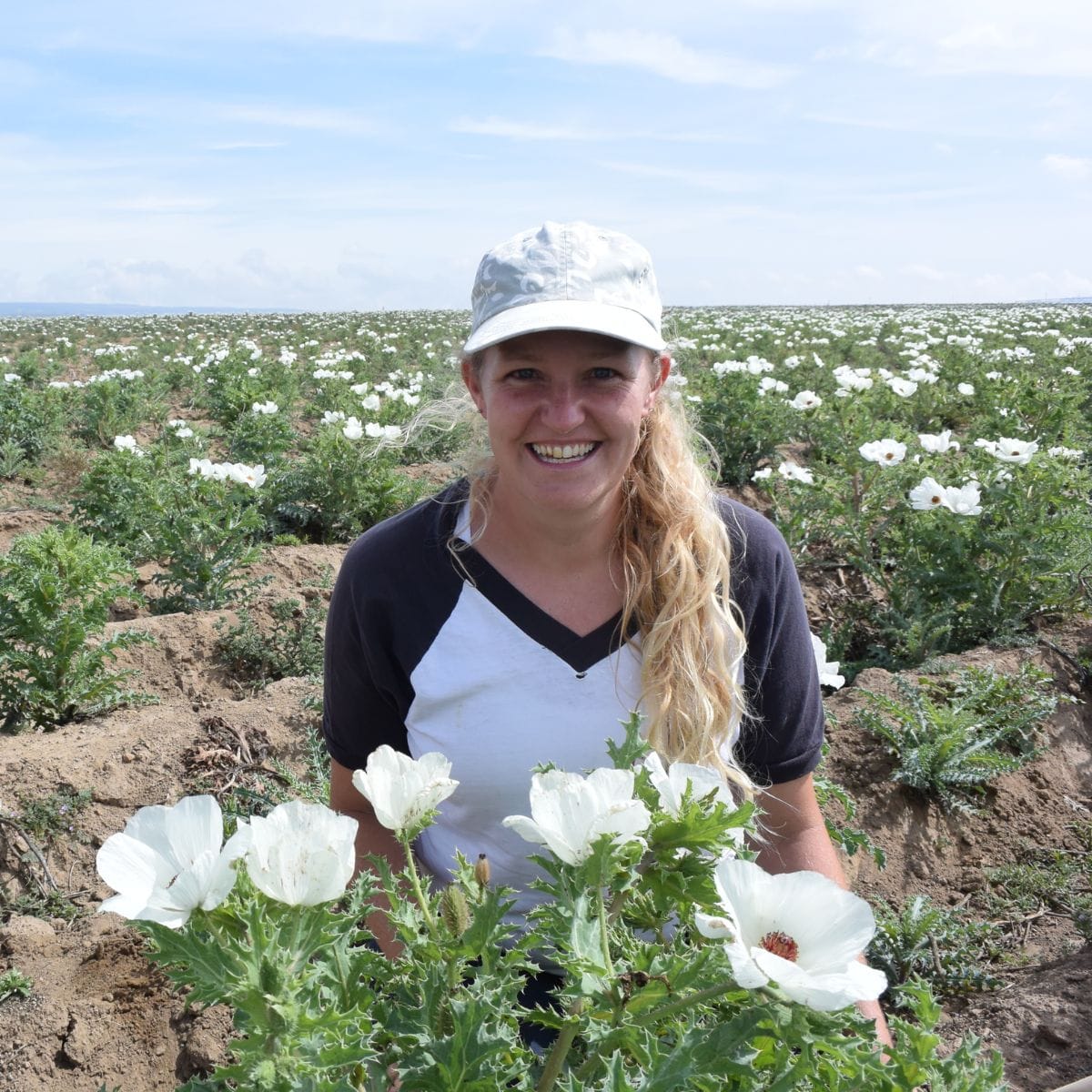
Today we have Dr Kasey Barton, a Professor in the School of Life Sciences at the University of Hawaiʻi at Mānoa. Barton is a plant functional ecologist, and her research uses trait-based approaches within an evolutionary ecology framework to investigate plant form and function as plants develop, from the seedling to juvenile to adult stage. Barton has the privilege of living and working on a tropical island with an exceptionally endemic flora, so much of her research focuses on Native Hawaiian plants and questions about island plant functional ecology. Her group uses a combination of approaches, including experiments, field surveys, and meta-analysis to characterize island plant functional traits relevant to climate change, interactions with invasive species, along with efforts to link this work to the conservation of these charismatic plants.
Barton is also one of the editors of an upcoming Annals of Botany’s Special Issue on Seedling Traits and Climate Change.
What made you become interested in plants?
I discovered my love for plants in a General Botany course during my 3rd year as an undergraduate student at Stanford University. I was immediately enamoured by plants, and switched from a focus on premed studies to pursue scientific research as a career. I’ve been fortunate to have the opportunity to research plants all over the world – in California, Colorado, Costa Rica, Finland, the UK, Mexico, Aotearoa New Zealand, and for the past 16 years, primarily Hawaiʻi.
What motivated you to pursue your current area of research?
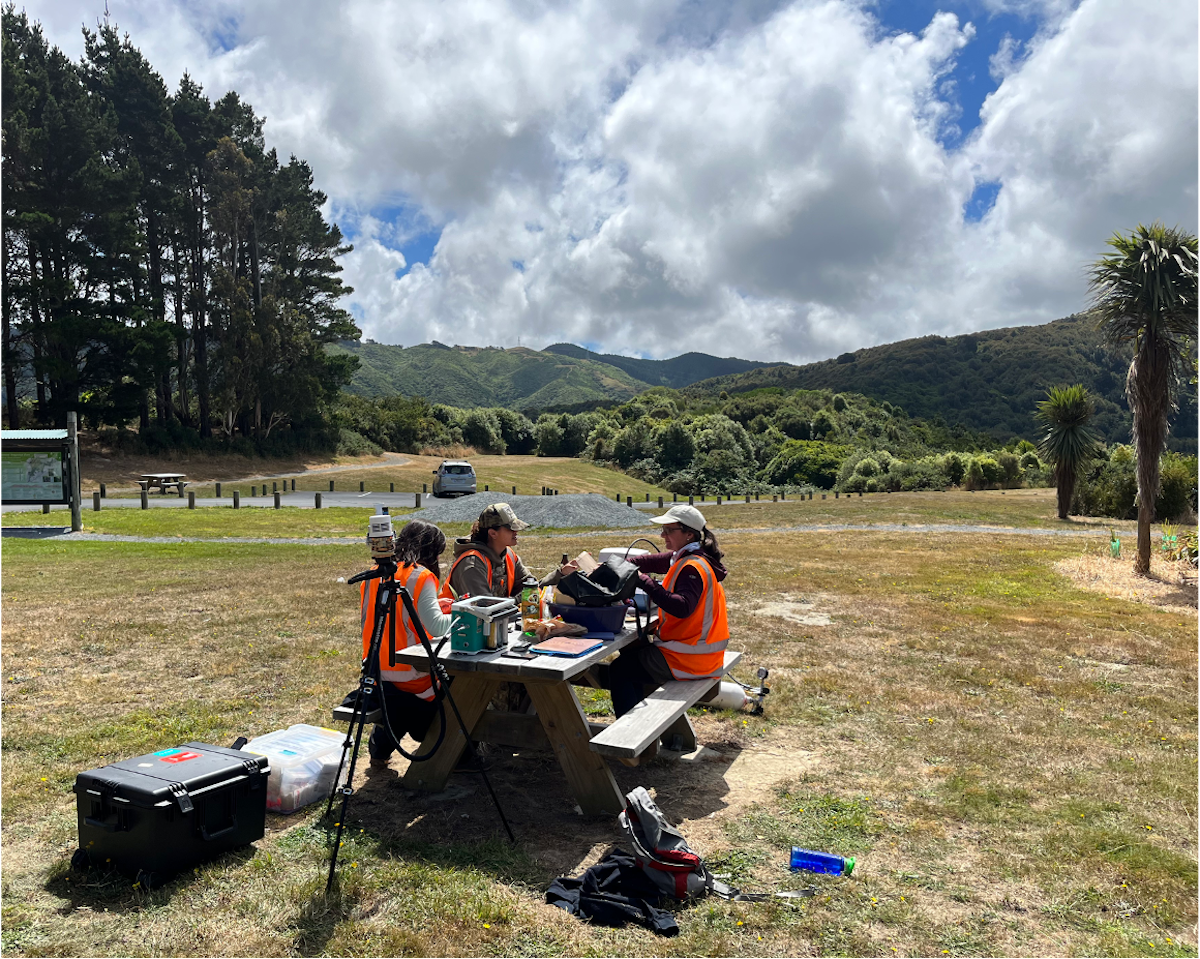
I am motivated to use my research and position at the University in service to the place I am honoured to call home – the Hawaiian Islands. As a guest in these islands, I feel compelled to provide authentic educational and research opportunities to students, and I am motivated to conduct research that sheds light on the evolutionary ecology of Hawaiʻi’s native plants to better understand island biodiversity and directly inform the conservation of these unique species. Islands are fascinating places for biological research, so there are endless interesting questions we can pursue. Islands are also gravely threatened, and Hawaiʻi is home to numerous endangered and even extinct species. Our research is often co-produced with natural resource practitioners so we can contribute directly to conservation and restoration efforts. This makes our work really meaningful.
You are the Annals of Botany editor for an upcoming Special Issue on Seedling traits and climate change. What are some of the biggest research gaps this Special Issue aims to cover?
Global climate change is an existential threat to global biodiversity and the ecosystem and cultural services that it provides. There are many informative research avenues that contribute to our understanding of the effects of climate change on biodiversity. What we are highlighting in this special issue is the line of research that uses trait-based approaches for mechanistic insights into how plants respond to, and potentially tolerate, changing climates, with a particular focus on the seedling stage. Traits transcend taxonomy, providing insights into plant resilience to climate change that are more easily generalised across species and biogeographic regions. Traits can also inform conservation via trait-based restoration, and also by revealing the direct ways that climate stress reduces plant function. Our focus on seedlings reflects the critical role that recruitment plays in plant population stability. Despite this importance, seedlings are sometimes neglected because it is challenging to study them – seedlings are small and ephemeral! We want to celebrate the research that has focused explicitly on seedlings using trait-based approaches for new insights into plant resilience to climate change.
What makes seedlings such a critical life stage to study in the context of climate change?
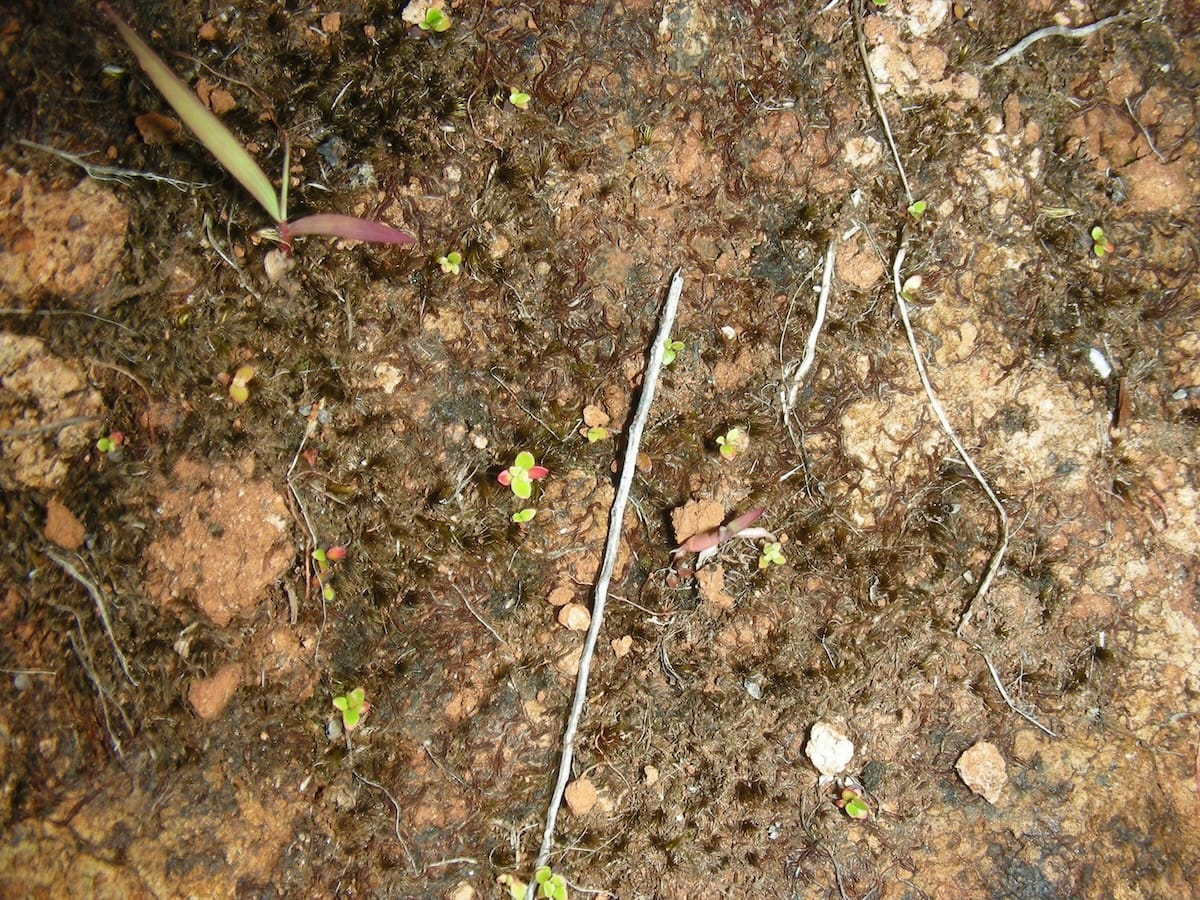
Seedlings must survive and grow in order to successfully establish within their habitats. As climate change progresses, the abiotic environments into which seedlings emerge are increasingly stressful – with less rain, hotter or colder temperatures, more flooding, and near coasts, increasingly salty. In order to better understand how tolerant seedlings persist through these conditions, and to identify particularly vulnerable species with low seedling tolerance, trait-based approaches are insightful. Seedlings are not merely smaller adult plants, and they express distinct functional strategies, which is why they deserve specific trait characterization in the context of climate change.
What do you hope readers will take from this collection of papers?
We are looking to include studies in the special issue that reflect the breadth of this topic – showcasing research done across diverse biogeographic regions, investigating different climate change stressors, and focusing on distinct traits. Readers will gain an expanded appreciation for the importance of seedlings in the resilience of plants to climate change.
What is your favourite part of your work related to plants?
Plants are so variable, and trait-based approaches allow us to characterize this variability. It’s extremely satisfying to use ecophysiological instruments to collect huge amounts of plant data, which then provide new insights into how plants work. The best part of being a plant functional ecologist is that I’m constantly learning new things – plants surprise me all the time!
What do people usually get wrong about plants?
I think many people do not realize how dynamic plants are throughout their lifetimes. As plants growth up, they undergo tremendous shifts in form and function, and this process is not unlike the metamorphosis which butterflies and frogs pass through. Yet, for plants, these changes are not always so obvious. They may occur via internal anatomical shifts, or changes in architecture. Without careful observation, they may be missed altogether! And sometimes, the ontogenetic shifts are very apparent and so dramatic that it seems impossible that the juveniles and adult stages are the same species. In addition to these developmental dynamics, plants are able to adjust their morphology, anatomy, and physiology in response to environmental cues, such as the amount of water or light, via phenotypic plasticity. Thus, although plants do not “behave” in the same sense as animals, they do alter their phenotypes in a kind of analogous way. Although not all ontogenetic and plastic shifts in plant phenotypes are adaptive, many of them are, enabling plants to improve their performance in an unpredictable and changing environment.
Carlos A. Ordóñez-Parra
Carlos (he/him) is a Colombian seed ecologist currently doing his PhD at Universidade Federal de Minas Gerais (Belo Horizonte, Brazil) and working as a Science Editor at Botany One and a Communications Officer at the International Society for Seed Science. You can follow him on BlueSky at @caordonezparra.