


McCombe & colleagues have discovered how disease-causing fungi use a sneaky weapon to infect important food crops. Fungal pathogens employ an enzyme called NUDIX hydrolase to trick plants into activating starvation responses, bypassing immune defences.
This fungal enzyme infiltrates plant cells and attacks a key signalling molecule that plants use to sense phosphate – an essential nutrient. By disturbing this sensing system, fungi trick plants into thinking they’re phosphate-starved.
The research team discovered these NUDIX enzymes selectively break down inositol pyrophosphates (PP-InsPs), signalling molecules that tell plants when phosphate is available. When plants sense less phosphate (or think they do), they activate special transcription factors called PHRs that change gene expression.
The PHRs activate to acquire more phosphates, but also interfere with a plant’s internal responses. Jasmonate perception is altered, reducing a plant’s ability to sense damage. The drive for more phosphates could also be making the plant cells tastier for the fungus.
When the research team deleted NUDIX genes from rice blast fungus (Magnaporthe oryzae) and anthracnose-causing fungi (Colletotrichum species), the pathogens caused less disease on their host plants. By using different pathogens they showed it is specifically the NUDIX genes that are the problem.
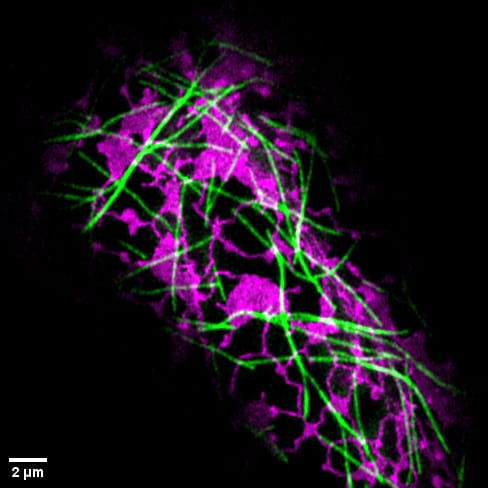
These NUDIX enzymes are secreted into host cells during infection. The team used fluorescent tagging to watch this process in living cells. Using ‘plasmolysis’, they could see the enzyme moves from fungal structures inside into rice cells where it can disrupt phosphate sensing.
McCombe & colleagues used X-ray crystallography to determine the 3D structure of the NUDIX enzyme, providing insights into how it functions. They found it similar to human phosphate-signaling enzymes even though they are made up of different amino acids, showing the enzyme’s shape is important.
Lead author Dr. Carl McCombe explains: “Understanding what the enzyme looks like gave us critical insights into how it is used by pathogens to attack plants.” This knowledge creates opportunities for targeted disease management strategies.
The discovery could have a big impact on global food security. Rice blast disease causes losses that could feed 60 million people annually, while anthracnose impacts diverse crops including mangoes, melons, corn, and chickpeas.
The findings provide hope for improving crop protection. Since these NUDIX enzymes are highly conserved across different fungal species, a single solution could potentially combat multiple crop pathogens, helping farmers prevent the 10-23% annual crop losses currently caused by fungal diseases.
McCombe, C.L., Wegner, A., Wirtz, L., Zamora, C.S., Casanova, F., Aditya, S., Greenwood, J.R., de Paula, S., England, E., Shang, S., Ericsson, D.J., Oliveira-Garcia, E., Williams, S.J., & Schaffrath, U. (2025). Plant pathogenic fungi hijack phosphate signaling with conserved enzymatic effectors. Science, 387, 955–962. https://doi.org/n8ww
Cross-posted to Bluesky & Mastodon.
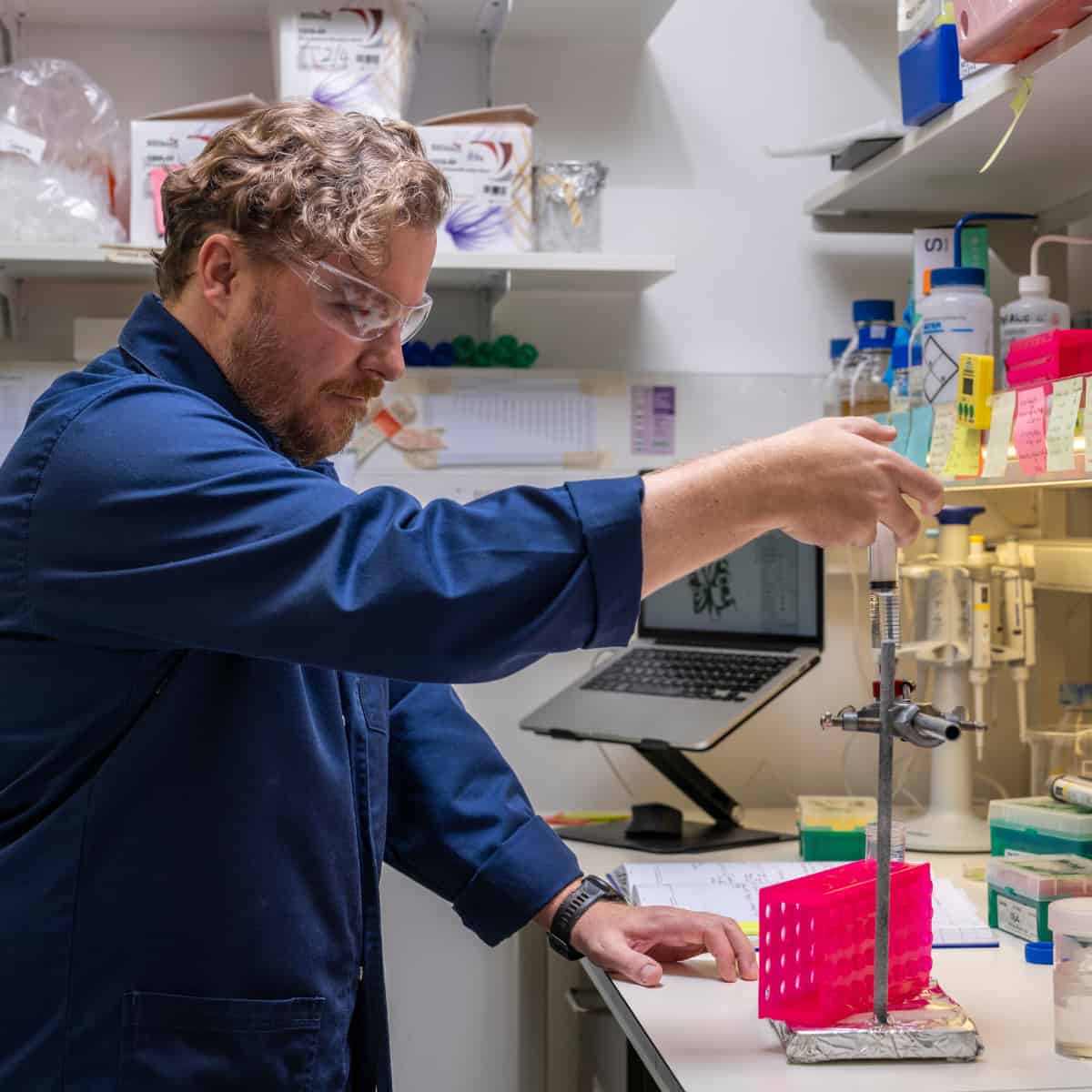
Image: Jamie Kidston/ANU.