


Heatwaves are becoming more frequent and intense, posing a serious threat to plant reproduction. A recent study by Rosenberger and colleagues, published in AoB PLANTS, reveals the impact of extreme heat on plant fertility. Using canola plants, they found that heat stress significantly reduces pollen production, viability, and seed set. These findings have implications for both agriculture and wild plant populations, highlighting the urgent need to understand the effects of climate change on plant reproduction.
The authors found that heat stress dramatically reduced pollen tube survival by up to 77% and slashed seed production by a staggering 87%. Surprisingly, extreme heat eliminated the usual quality differences between cross- and self-pollination. These findings suggest that heatwaves severely compromise both pollen quantity and quality, potentially disrupting plant mating systems and limiting reproductive success in both agricultural and wild plant populations.
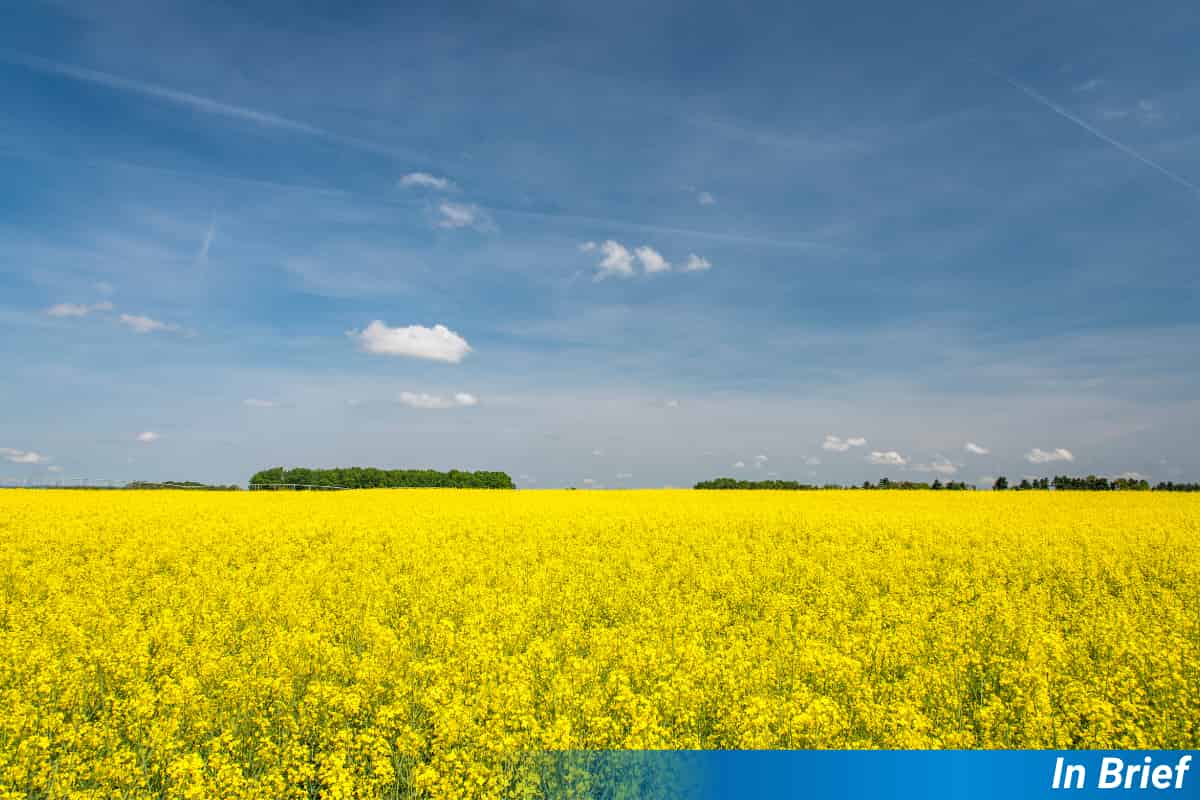
The researchers identified the damage heatwaves do by exposing Brassica napus (canola) plants to simulated heatwaves of 35°C for 72 hours during flowering. They then conducted hand pollination experiments using both cross- and self-pollen from plants under the same temperature conditions. The team measured key reproductive metrics, including pollen tube growth, pollen production, and seed set. By comparing heat-stressed plants to those grown under normal temperatures, they could see the impact of extreme heat on various aspects of plant reproduction.
The study examines both pollen quantity and quality. By demonstrating how extreme heat disrupts plant mating systems, the research underscores the urgent need to understand and mitigate the effects of rising temperatures on plant reproduction.
Our results and expansions of the pollen limitation framework are prudent, as they inform expectations of how the plant mating environment may change (from the plant’s perspective) during heatwaves. Indeed, recent intense heatwaves have overlapped with the flowering periods of important agricultural crops in different world regions with devastating effects for yield…
Rosenberger, N.M., Hemberger, J.A., & Williams, N.M. (2024). Heatwaves exacerbate pollen limitation through reductions in pollen production and pollen vigour. AoB PLANTS, plae045, https://doi.org/10.1093/aobpla/plae045