

While the effects of urbanisation on animal behaviour are widely studied, little is known about how city living influences the reproductive traits of plants. A new study from researchers at the National Institute for Environmental Studies in Japan, recently published in Annals of Botany, has uncovered evidence that urban environments can drive evolutionary changes in plants’ reproductive strategies.
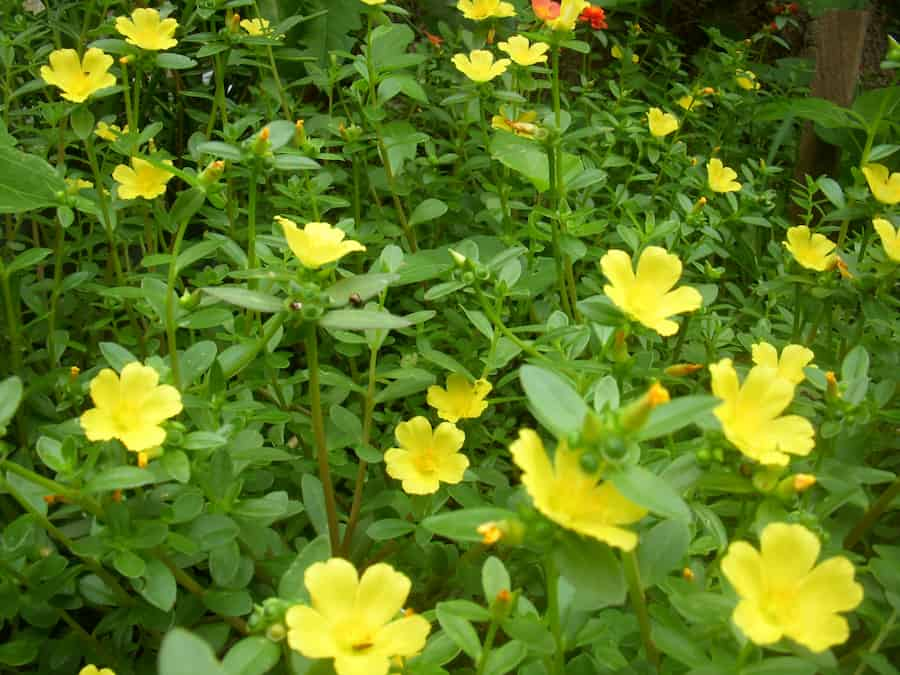
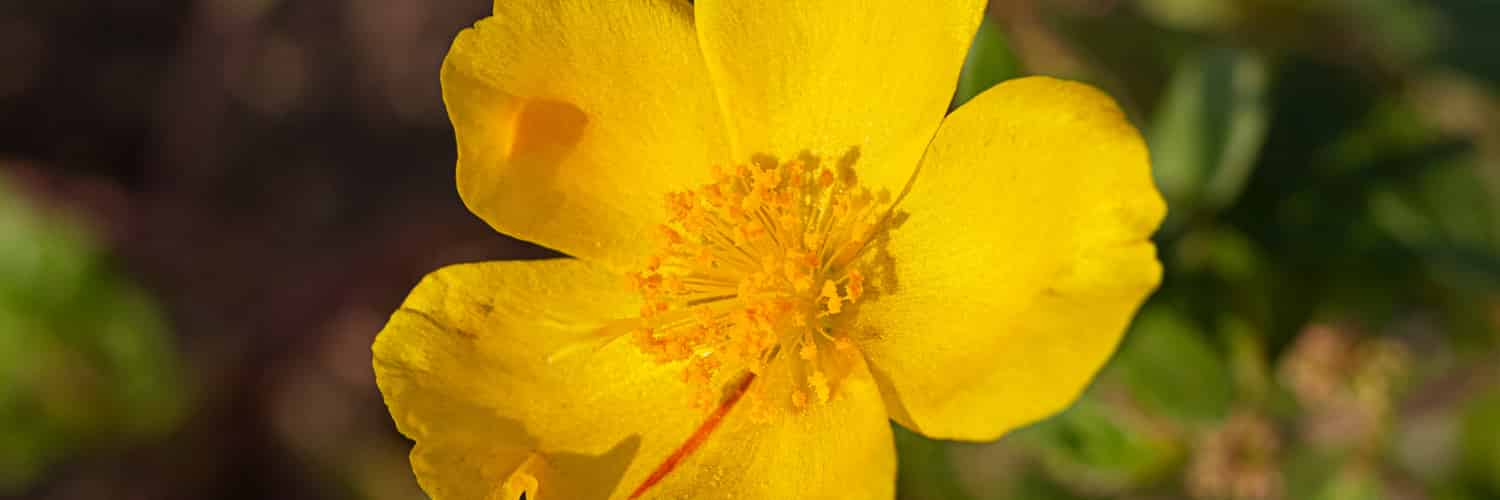
The team focused on Portulaca oleracea, a small flowering plant commonly known as purslane that is found throughout Japan. P. oleracea has a unique reproductive system where individual plants are genetically predisposed to produce either open, insect-pollinated flowers (chasmogamous or CH plants) or self-pollinating enclosed flowers (cleistogamous or CL plants). This dual strategy enables the plant to adapt to varying environmental conditions. The evolution and prevalence of these reproductive traits in response to urbanisation were the focal points of this investigation.
To compare reproductive strategies between urban and rural environments, the researchers collected seed samples from ten P. oleracea populations scattered around Tokyo’s urban areas and ten populations from more rural zones. They grew the seeds in a controlled garden and recorded the flower type, timing of bloom, and seed production for each resulting plant. First author Tomohiro Fujita in personal communication with Annals of Botany talked about the advantages that common garden experiment offers for understanding the impact of urbanisation on reproductive traits. “To verify evolution, we need to distinguish between genetic changes and environmental changes (i.e., plasticity). I believe common garden experiments are an effective means to differentiate between the two.” he said.
The results showed a clear difference between city and country plants. Urban populations had far fewer open CH plants that rely on insect pollinators compared to rural areas, where open CH plants were more common. Closed CL plants, which can self-pollinate without needing insect help, dominated in the cities.
Moreover, the city-dwelling CL plants tended to bloom and set seed earlier in the season than their rural CL or CH counterparts. They also produced heavier seeds on average. The researchers believe these traits would help the plants avoid heat and drought stress – two environmental pressures exacerbated in urban settings with hotter microclimates and less water availability.
“Our results suggest that P. oleracea in urban areas is evolving towards self-fertilization, “says Fujita. “While self-fertilization may spread in populations due to short-term advantages like reproductive assurance, it might reduce the evolutionary potential at the population level and increase the risk of extinction. For example, if urban growing conditions change due to future climate change, individuals with cleistogamous flowers may have low evolutionary potential and might not be able to maintain their populations. I believe further research is needed on this topic.”
By demonstrating reproductive changes linked to the plant’s environment, the study reveals that urbanisation is a potent driver of evolutionary change in the reproductive systems of plants like P. oleracea. As cities continue to expand and alter natural habitats, understanding these adaptive mechanisms becomes crucial for predicting how plant species will respond to future urbanisation.
READ THE ARTICLE
Fujita T., Tsuda N., Koide D., Fukano Y. and Tomomi I. (2024) “The flower does not open in the city: Evolution of plant reproductive traits of Portulaca oleracea in urban populations” Annals of Botany. Available at: https://doi.org/10.1093/aob/mcae105