

Circadian clocks help organisms anticipate and react to daily environmental changes, such as light and temperature. In plants, these clocks control vital processes like photosynthesis, flowering, and stress responses. When temperatures rise, a well-functioning clock can help plants adjust their physiology to avoid overheating, conserve water, or optimize nutrient use. Recent research published in New Phytologist on two tree species from Patagonian forests provided insights on how these clocks might influence trees’ survival and growth in a warming climate.
Trees use their circadian clocks, which are precisely regulated by cues that relay information about the external time such as the natural cycle of day and night, to recognize daily and seasonal changes and adjust vital functions. This daily entrainment by cyclical cues, acts as a reliable signal to keep the clock on track. Even when exposed to different temperatures into a wide thermal range, the circadian system remains synchronized and functional. However, when exposed to temperatures out this thermal range, the clock fails, and trees may lose advantages to grow in the natural environment, and this might reduce their productivity.

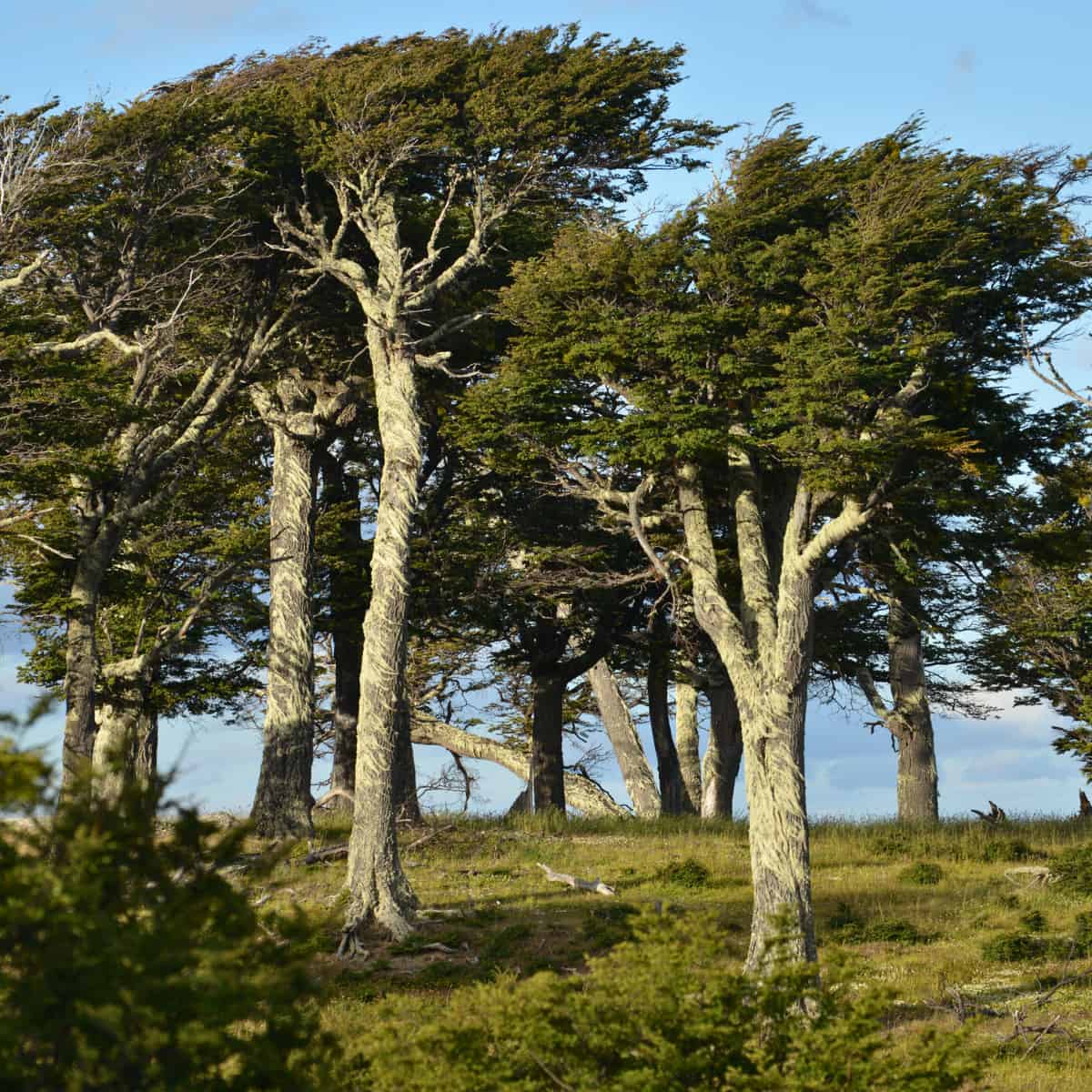
The study focused on two closely related species of Nothofagus, a genus of trees found in the Patagonian forests of South America. These species offered a unique opportunity to explore adaptation to changing temperatures, as one lives in cooler, high-altitude environments (Nothofagus pumilio), while the other inhabits warmer, low-altitude regions (Nothofagus obliqua).
Combining bioinformatics, molecular biology, and ecophysiology, the research led by Maximiliano Estravis-Barcala and Verónica Arana, addressed how rising temperatures affect the circadian clocks of these species. In the lab, they analyzed changes in gene expression (how genes turn on and off) in response to higher temperatures. Using the mountain as a natural laboratory, they performed “altitude-swap” experiments, planting seedlings of each species in both their native and non-native environments. This approach allowed them to address how well the trees’ circadian clocks and overall performance fared under warmer or cooler conditions.
The results revealed interesting differences between the two species. Nothofagus pumilio, the cold adapted one, had trouble when exposed to higher temperatures. While the clock functioned normally at 20°C, warm temperatures of 34°C caused a breakdown in the rhythmic expression of key genes. This disruption extended to the regulation of time-sensitive processes, with many genes losing their day-night pattern and shifting to stress responses. Altitude-swap experiments showed that N. pumilio, had a bad time trying to synchronize its circadian rhythms in warmer, low-altitude environments, leading to disrupted gene expression patterns and reduced growth and survival.
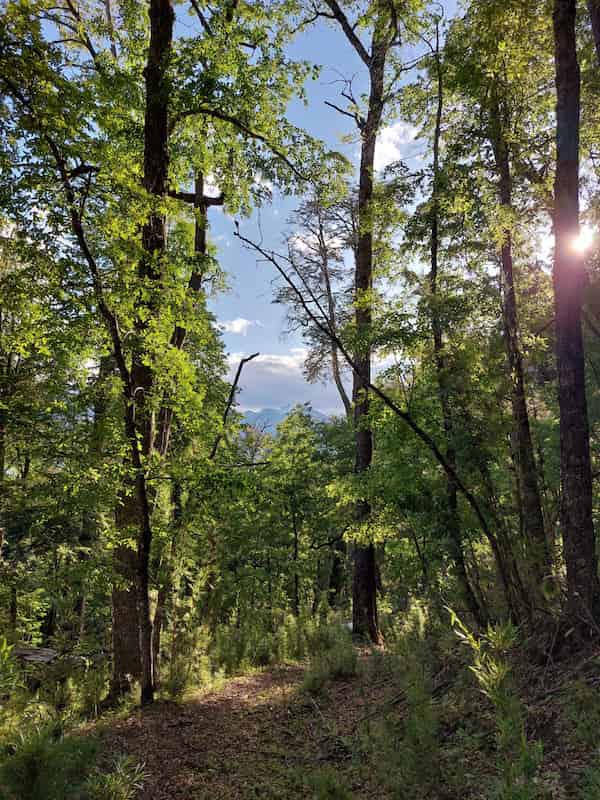
In contrast, N. obliqua, native to warmer habitats, maintained robust clock function and performed well across altitudes. Its circadian clock remained stable, even in warmer conditions, allowing it to maintain growth and survival rates. Overall, this suggests that inter-specific differences in the influence of temperature on circadian clock performance are associated to thermal plasticity of seedlings in natural environments.
Our findings, that seedlings of N. pumilio (high-altitude species that inhabits colder environments) had limited oscillator function in warmer (low altitude) zones of the forest, and reduced survival and growth is novel evidence that links disruption of oscillator function to poor tolerance of higher temperatures in the natural environment. By contrast, seedlings of N. obliqua (low-altitude species that inhabits warmer environments) were able to maintain rhythms at higher temperatures than N. pumilio, and they showed similar survival and mortality in both environments of the temperature/altitude shift experiment, consistent with the fact that N. obliqua seedlings showed synchronised oscillators in both environments.
These findings highlight the significant implications of climate change on forest ecosystems, emphasizing the vulnerability of cold adapted species like N. pumilio. As the planet warms, disruptions in circadian synchronization may disrupt the physiological and ecological balance of such species, limiting growth and survival. Understanding how internal rhythms are affected by rising temperatures is crucial for predicting and mitigating the broader consequences for plants and the ecosystems they sustain, emphasizing the urgent need for adaptive strategies to protect these delicate environments.
READ THE ARTICLE
Estravis-Barcala M., Gaishuk S., González-Polo M., Martinez Meier A., Gutiérrez R.A., Yanovsky M.J., Bellora N. and Arana M. V. (2024) “Effect of temperature on circadian clock functioning of trees in the context of global warming” New Phytologist. Available at: https://doi.org/10.1111/nph.20342
Nothofagus pumilio in Chilean Patagonia, near Punta Arenas. Photo: Canva.