

Climate change is already pushing plants to their limits, as rising temperatures and shifting rainfall patterns force species to track suitable conditions across the landscape, often faster than they can adapt. Nowhere is this pressure more acute than in alpine ecosystems. These high-mountain environments are warming faster than most other regions, while also experiencing altered precipitation, shorter snow seasons and, increasingly, wildfires. For alpine plants, this combination is especially dangerous, as they are confined to narrow bands near mountain summits and have little room to move as conditions change. As a result, alpine ecosystems have become a focal point for scientists trying to understand how climate change will reshape plant communities and whether they can survive the changes ahead.
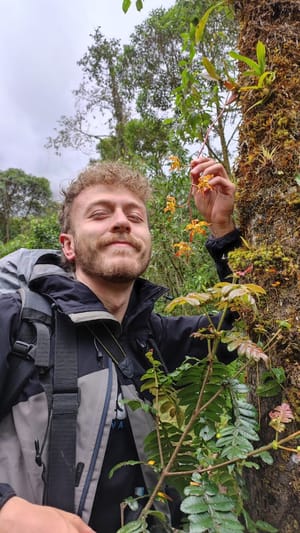
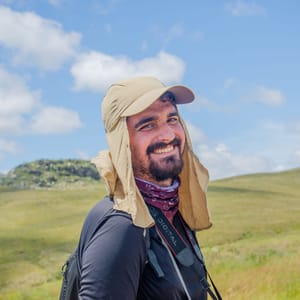
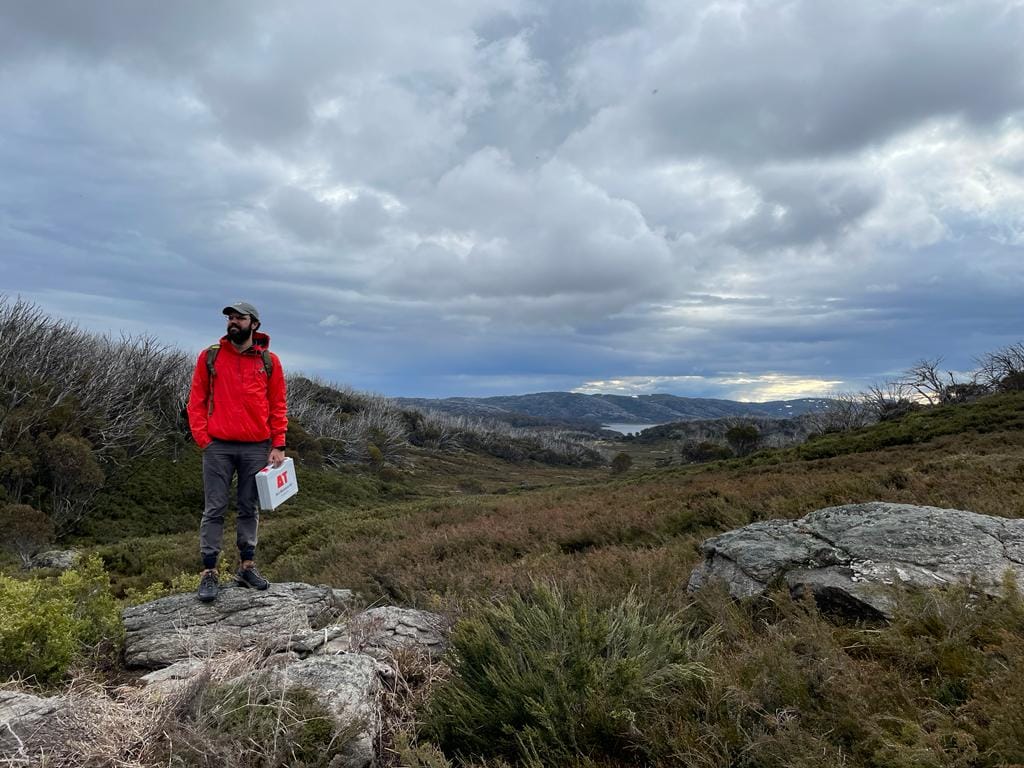
One researcher asking these questions is Dr Jerónimo Vázquez-Ramírez, a Mexican scientist who recently completed a PhD at Deakin University. In an interview with Botany One, Vázquez-Ramírez explained that he has “always been attracted to alpine ecosystems because they are both beautiful and biologically extreme”. His interest in climate change sharpened after moving to Australia for his PhD, when he arrived during an unusually hot and dry year, shortly before the catastrophic 2019–2020 bushfires swept across the country. Through conversations with his PhD supervisor, Professor Susanna Venn, the focus shifted to a key question: how do climate-driven extremes affect seeds and seedlings, the earliest and most vulnerable stages of plant life?
Answering a question this complex required looking beyond single causes. Vázquez-Ramírez first drew on previously published studies to examine how climate change affects plant regeneration at a global scale. This work showed that warming, reduced rainfall and earlier snowmelt can influence seeds and seedlings in different, and often contrasting, ways, depending on the stage of the plant’s life cycle. Crucially, however, most earlier studies examined these factors in isolation. In the real world, they rarely occur alone. Hotter conditions usually bring drier soils, thinner snowpacks and a higher risk of fire, all of which can combine to shape whether seeds develop properly, germinate at the right time, or survive as seedlings.
To tackle this, Vázquez-Ramírez began studying how multiple climate stressors interact. In earlier work, he examined how changes in temperature, drought and snowmelt affect soil seed banks, the reserves of seeds stored in the ground. That study showed that reduced snow and rainfall lowered both the number of seeds germinating and the diversity of species emerging, potentially undermining the long-term persistence of alpine plant communities. These findings set the stage for a deeper question: what happens when climate change and disturbance act together on the whole seed journey, from seed development to seedling establishment in the field? This question was at the heart of their more recent study, recently published in Annals of Botany.
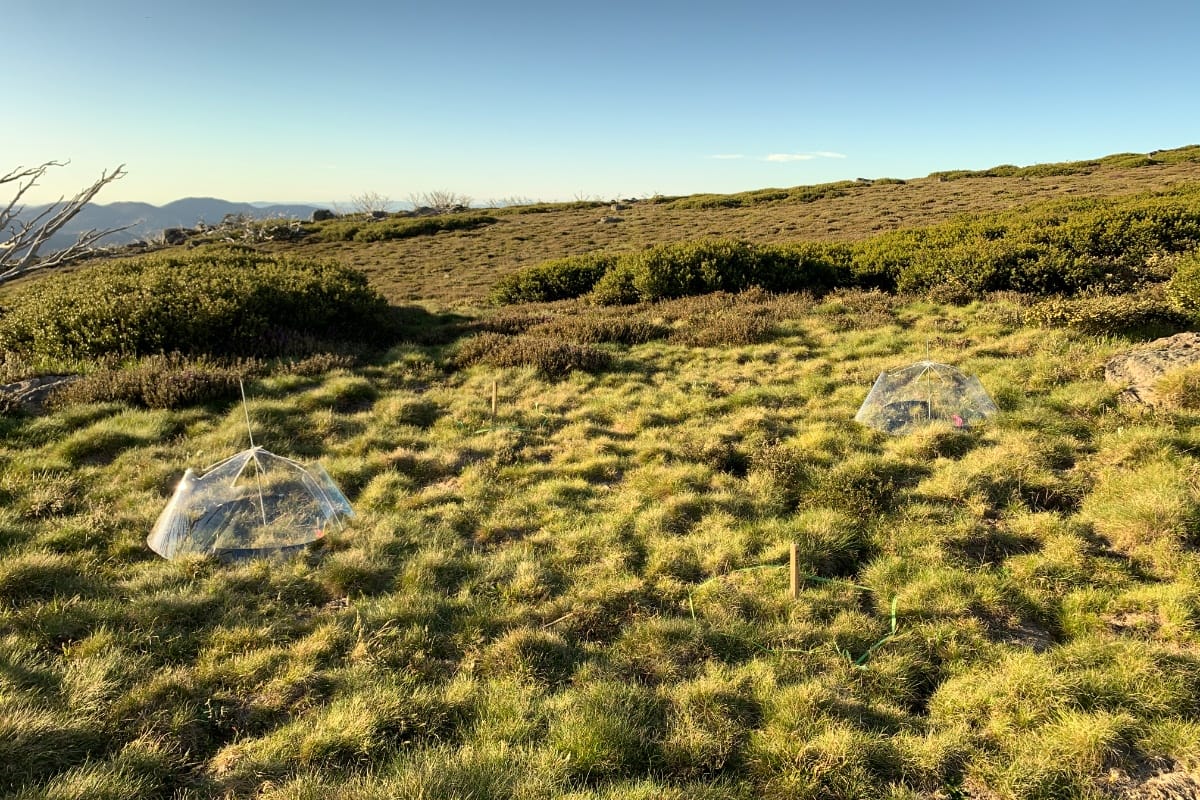
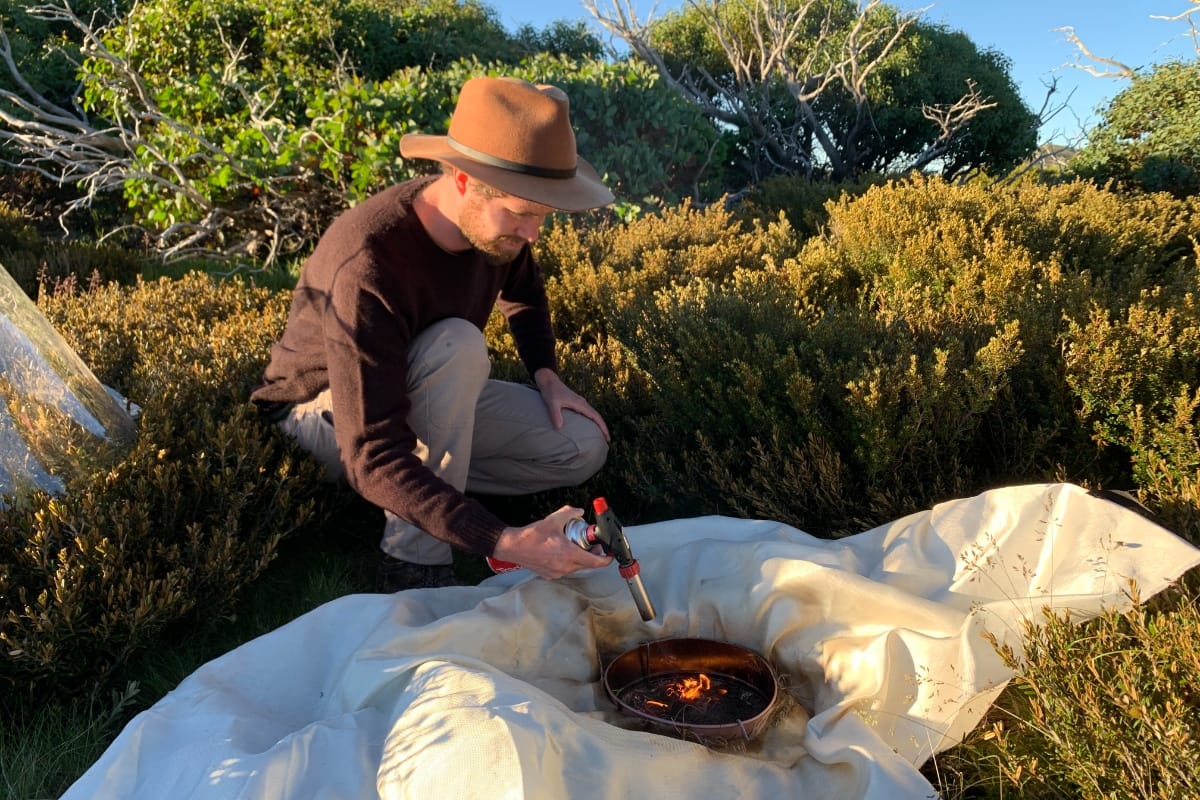
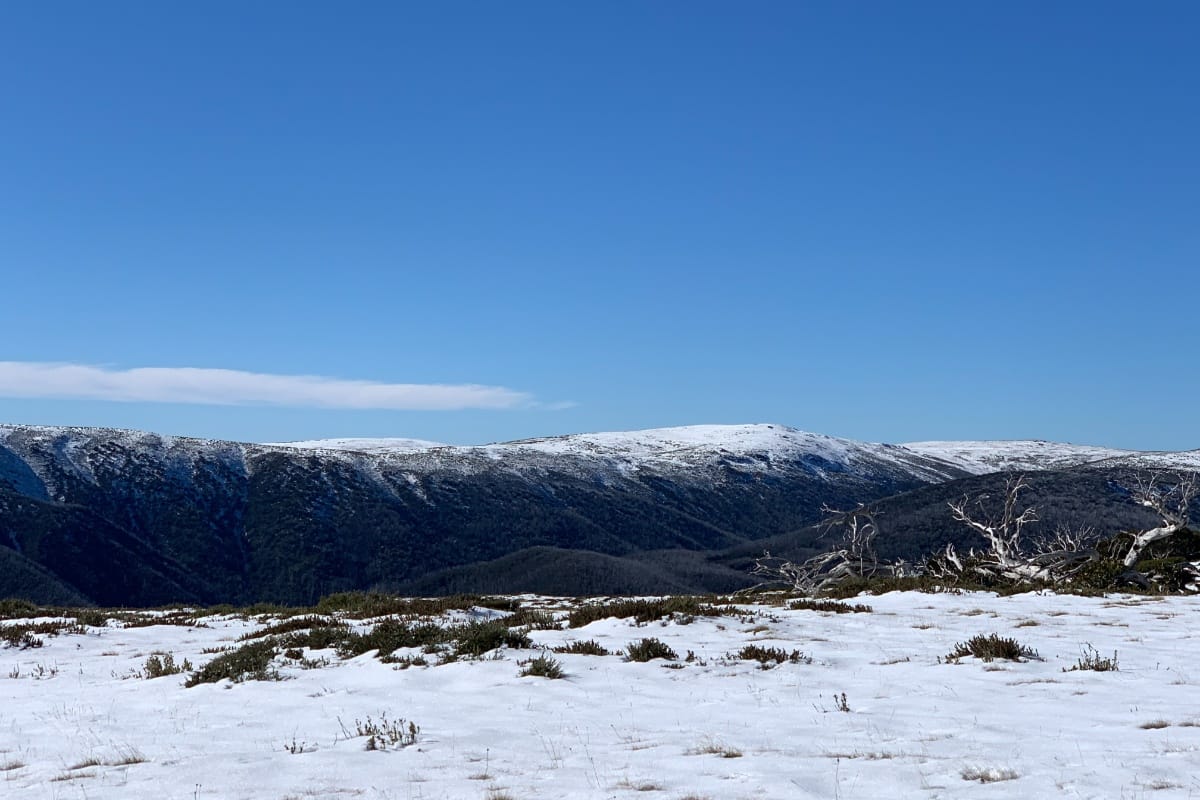
The researchers moved their experiment into the Bogong High Plains, in the mountains of south-eastern Australia, where they followed thirteen common alpine species over two growing seasons. The team set up small, carefully matched plots and exposed them to four different scenarios: today’s conditions, a warmer and drier climate, fire, and a combination of both warming and fire. To mimic future climate, they designed small, roofed greenhouses that gently increased temperature while reducing the amount of rainfall reaching the soil. Fire was simulated using controlled mini-burns. The researchers briefly burned small patches of vegetation and added smoke chemicals similar to those produced in real wildfires, simulating conditions they will increasingly face.
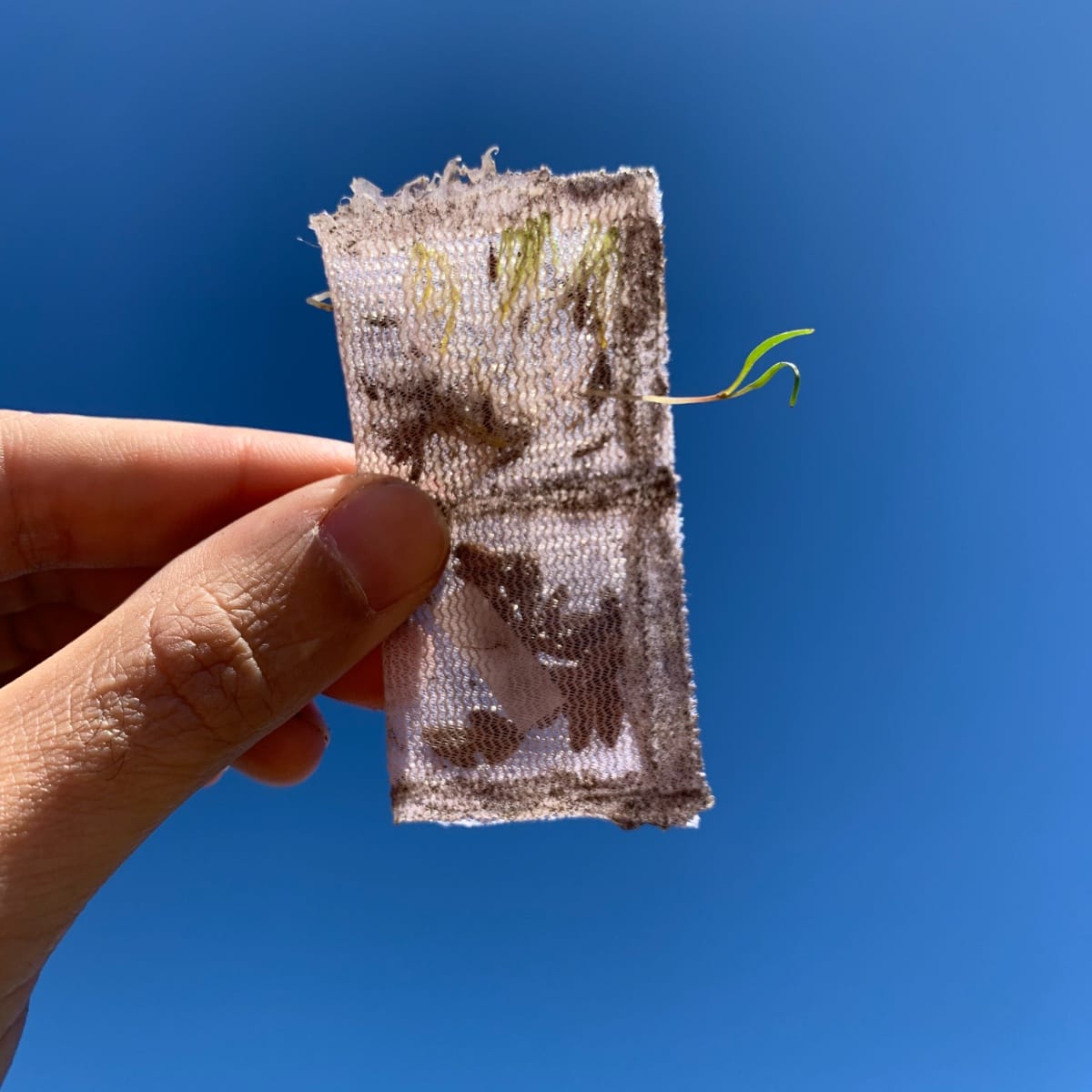
They then tracked three key stages of plant life. First, they collected seeds that had developed under the different climate treatments and measured their size, weight and ability to germinate. Next, they buried seeds in fine mesh bags just below the soil surface and checked them monthly to see when and how many sprouted. Finally, they raised seedlings in a glasshouse and transplanted them into the experimental plots, monitoring their survival for almost a year.
When the researchers looked at what actually happened in the field, a clear pattern emerged: future climate conditions made life harder for alpine plants at every step, and fire made survival even tougher. The warming chambers raised soil temperatures by almost 2 °C and dried the soil, and under these conditions, seeds were generally smaller and lighter, suggesting that parent plants struggled to invest in their offspring when water was scarce. Those effects carried through to germination. Across more than twelve thousand seeds buried in the soil, only about one-third ever sprouted. In warmer and drier plots, even fewer seeds germinated, and many did so later in the season than usual. Fire also reduced germination, although its impact was weaker than that of drying alone.
The greatest losses, however, occurred after germination. Seedling survival dropped sharply under future climate conditions and fell even further in burned plots. In unburned areas, most seedlings died during winter, as expected in alpine environments. In fire-treated plots, by contrast, deaths peaked in summer, when exposed soil reached extreme temperatures. These shifts in timing were among the most surprising results for Vázquez-Ramírez.
“When we started the study, I expected the experimental treatments to affect how many seeds germinated and how many seedlings established,” he says. “What surprised me was how strongly they also affected when seeds germinated and when seedlings died. In many species, germination shifted from spring under control conditions to autumn under warmer and drier treatments. Similarly, seedling mortality shifted from peaking in winter under control conditions to peaking in summer under warm and dry conditions. These seasonal shifts in both germination and survival were the most unexpected results of the study for me.”
Taken together, this study shows that climate change threatens alpine plants not through one dramatic blow, but through a series of quieter failures at the very start of life. As conditions become warmer and drier, plants produce smaller seeds with fewer resources, fewer seeds germinate in hot years, and many seedlings die before they can establish. Fire adds another obstacle, stripping away shelter and exposing young plants to lethal heat and drought. Importantly, these pressures do not act in simple or predictable ways.
That work has not stopped with this study. Vázquez-Ramírez is now a Marie Skłodowska-Curie Postdoctoral Researcher at the University of Copenhagen, where his research has shifted further north. There, he is investigating how climate change affects plant regeneration in Arctic ecosystems, environments that, like alpine regions, are warming rapidly and where the earliest stages of plant life may again prove to be the most vulnerable. Hopefully, studies like those of Vázquez-Ramírez may help us better predict what comes next in the future of these unique ecosystems.
READ THE ARTICLE:
Vázquez-Ramírez J, Venn SE. 2025. Climate change may alter seed and seedling traits and shift germination and mortality patterns in alpine environments. Annals of Botany 136: 651-667. https://doi.org/10.1093/aob/mcaf132
Cover picture: Seedling germinating from the bags buried in Vázquez-Ramírez experiment. Photo by Jerónimo Vázquez-Ramírez