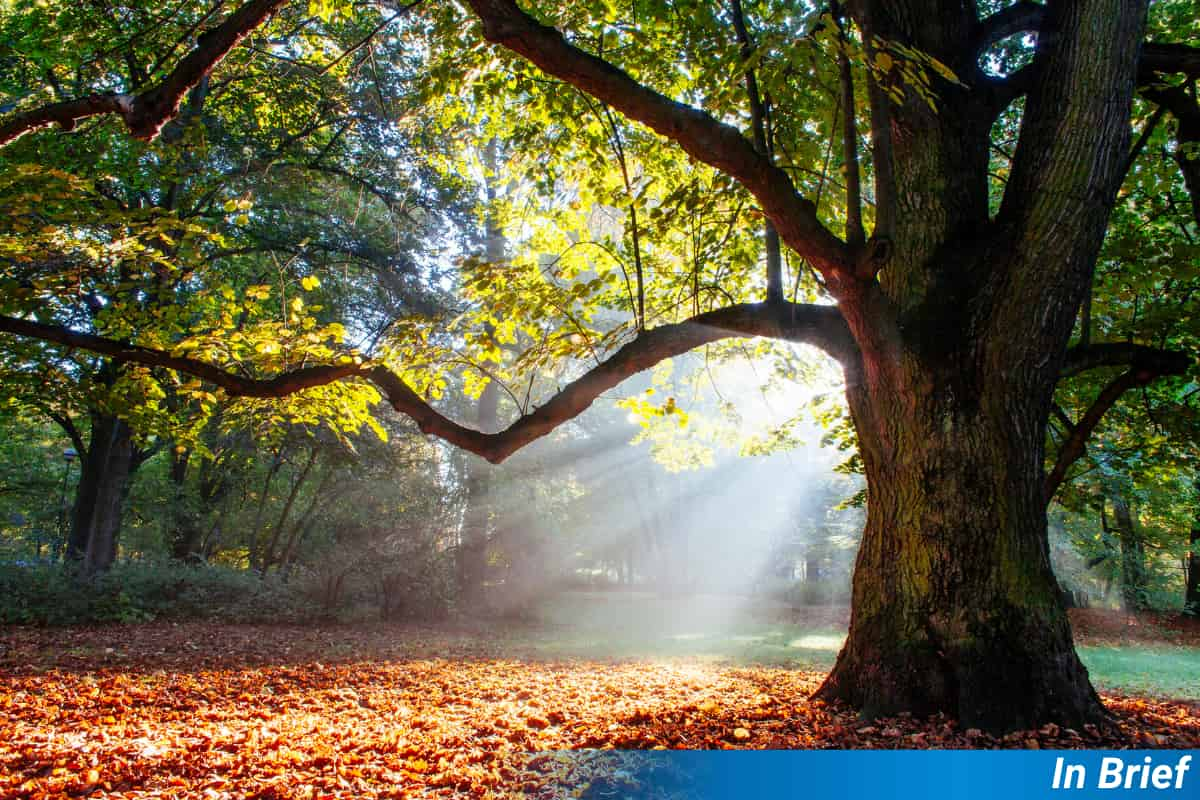



Climate change is reshaping our world in unexpected ways. A recent study by Filipiak and colleagues reveals a hidden impact: rising CO2 levels are altering the nutrient composition of oak pollen. This change could have far-reaching consequences for bees, which rely on pollen for food. Using a CO2 enrichment facility, the researchers found that elevated CO2 reduced key nutrients in oak pollen, potentially limiting bee nutrition. These findings highlight the complex challenges facing pollinators in a changing climate.
The study uncovered significant changes in oak pollen under elevated CO2. Sulfur, potassium, and iron levels decreased, while phosphorus became more scarce for bees. Two bee species, Osmia bicornis and Apis mellifera, showed different responses to these changes. O. bicornis faced potential phosphorus limitations, especially in high-CO2 conditions. For A. mellifera, both phosphorus and sulfur could become limiting factors. These nutrient shifts could impact bee growth, development, and overall fitness in future climate scenarios.
Researchers used the BIFoR-FACE facility in Staffordshire, UK, to study oak pollen under climate change conditions. They compared pollen from trees exposed to ambient CO2 levels with those under elevated CO2 (+150 ppm) over five years. The team analysed 12 elements in pollen-bearing flowers, including carbon, nitrogen, phosphorus, and various minerals.
This study is the first to examine tree pollen’s elemental composition under elevated CO2. It adds crucial evidence to our understanding of climate change impacts on plant-pollinator interactions. By revealing how pollen quality, not just quantity, may shift, the research highlights a new threat to bee nutrition.
This area of research is still in its infancy, thus it is important to continue investigating how eCO2 and the resulting changes in the stoichiometry of floral rewards (pollen and nectar) will affect the health and fitness of bees, their interactions with plants, the functioning of bee populations and communities, and ultimately the ecosystem services they provide.
Filipiak, Z.M., Mayoral, C., Mills, S.A., Hayward, S.A.L. and Ullah, S., 2024. Elevated atmospheric CO2 alters the multi-element stoichiometry of pollen-bearing oak flowers, with possible negative effects on bees. Oecologia. https://doi.org/10.1007/s00442-024-05610-2 (OA)