

Plants are incredibly diverse, and so are botanists! In its mission to spread fascinating stories about the plant world, Botany One also introduces you to the scientists behind these great stories.
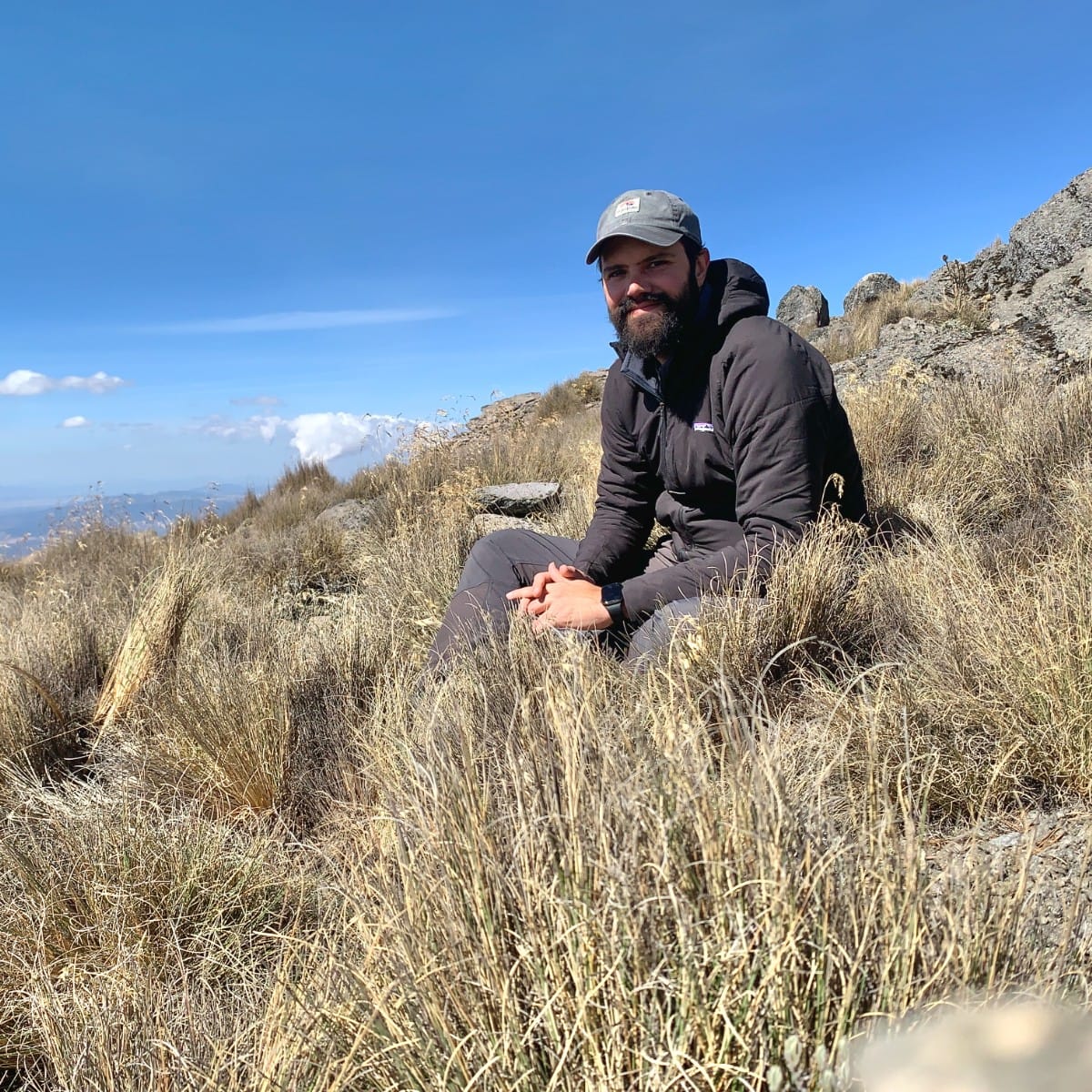
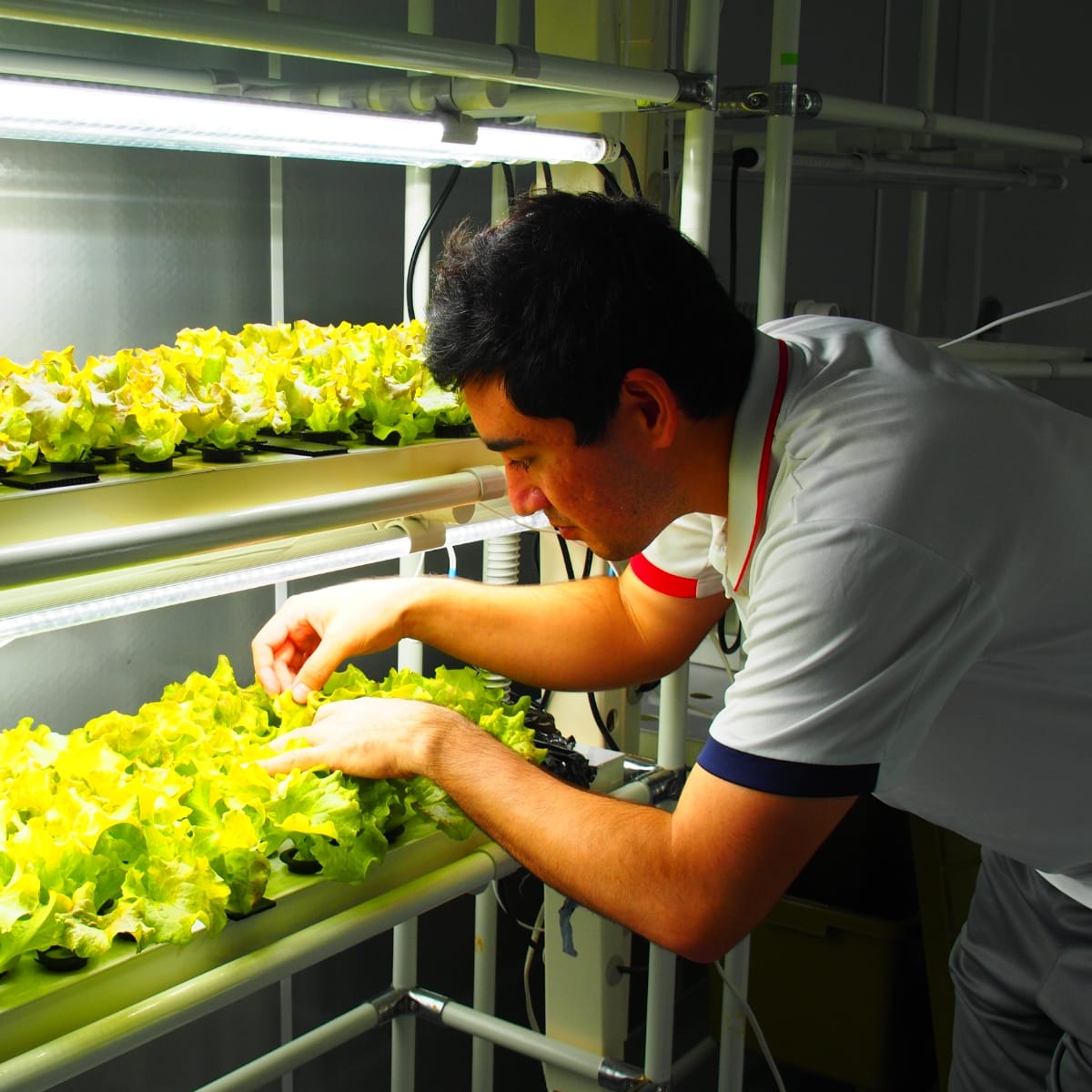
Today, we have Christopher Levine, a PhD candidate in Agricultural and Environmental Biology at the University of Tokyo in Professor Yamori’s lab, specialising in controlled environment agriculture (CEA) and plant photobiology. Levine's research focuses on the physiological roles of far-red (FR) photons in crop production systems such as plant factories and greenhouses. He investigates how FR light influences photosynthesis, morphology, and whole-plant productivity.
A central goal of his research is improving the energy efficiency of food production. By refining abiotic factors such as light spectra and understanding how FR photons interact with plant morphology and phytochrome signaling, Levine aims to reduce lighting energy inputs while maintaining or increasing crop yield and quality, contributing to more sustainable, low-energy agricultural systems.
I previously completed my BS and MS at Cornell University in Professor Mattson’s lab, where I developed a strong interest in CEA. You can find my publications on Google Scholar.
What made you become interested in plants?
My interest in plants began quite practically in my backyard in Santa Monica. As a child, I tried growing crops like pumpkins and corn with no real agricultural background or technical knowledge. Unsurprisingly, many of those early attempts did not go very well, and my family had no agricultural background. At the time, I did not understand why the plants struggled. Looking back, I now realise they were likely limited by insufficient fertiliser inputs, inconsistent irrigation, and suboptimal soil conditions.
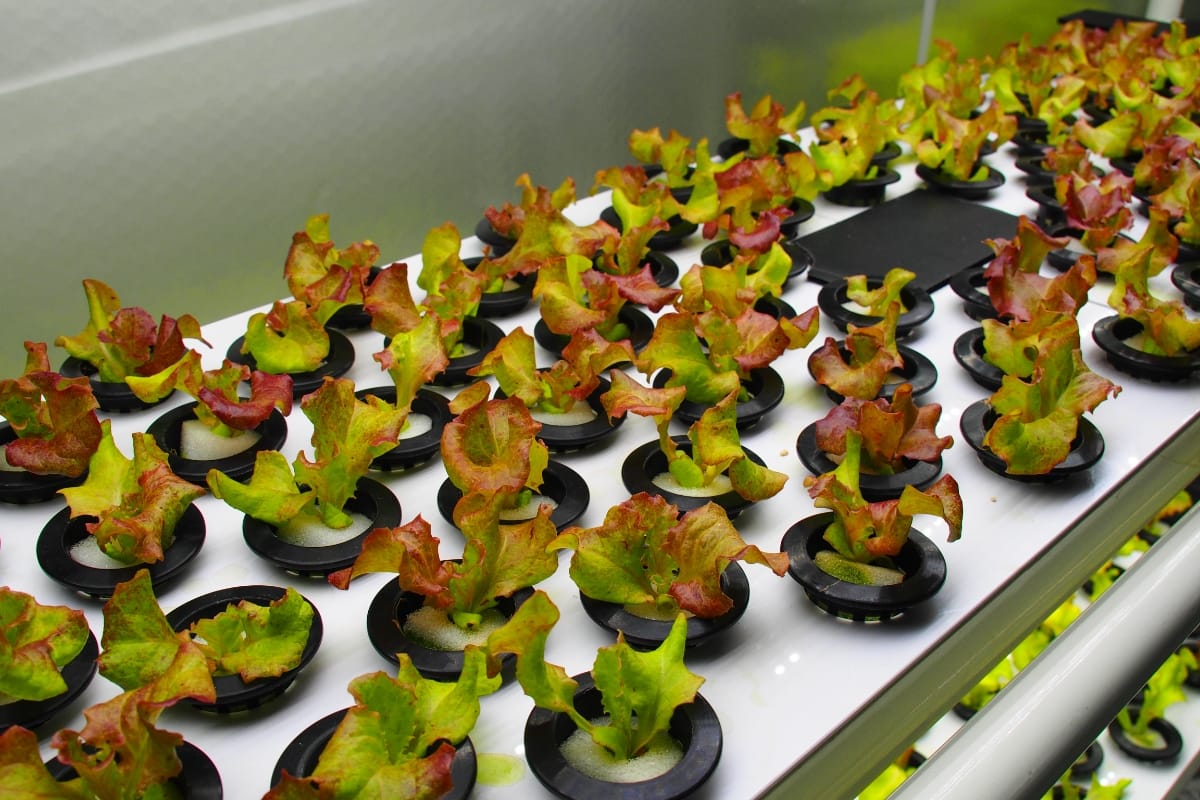
When I later discovered indoor hydroponic food production, it was transformative. In a controlled environment, nutrients, water, and light could be precisely managed rather than left to chance. For the first time, I was able to grow lettuce and tomatoes successfully, even though they failed in my outdoor attempts. Successfully growing these plants indoors sparked my long-term fascination with plant physiology and CEA.
What motivated you to pursue your current area of research?
Back in high school, I was growing plants indoors simply out of curiosity and enjoyment, though at the time, it was not scientific. It was just experimentation and trial and error. I was fascinated by the idea that plants could thrive entirely and grow better and faster indoors than under outdoor conditions if parameters such as lighting, nutrient pH, and fertiliser concentrations were dialled in.
When I arrived at Cornell University as an undergraduate, I was excited to discover that CEA could be studied as a college subject rather than me studying something random, which didn’t excite me. I also learned that Cornell has been one of the pioneering institutions in this field. Professor Louis Albright established one of the oldest CEA research programs in the United States and developed a commercial-scale deep water culture lettuce operation, demonstrating that hydroponic production could be both scientifically grounded and economically viable.
I took Professor Neil Mattson’s hydroponic food production course, which he had recently begun teaching, and it further solidified my interest in CEA. I also conducted independent research under his supervision, and when my undergraduate work was accepted into a peer-reviewed journal for the first time, it was a pivotal moment. Seeing my research contribute to the scientific literature motivated me to continue pursuing plant science at a deeper and more technical level.
I also interned at AeroFarms, then a world-leading indoor vertical farming company. There, I worked on controlled environment strawberry production under Dr. Shardendu Singh, Roger Buelow, and Matt Gellert. The combination of cutting-edge research, commercial application, and a happy team environment further solidified my interest in advancing CEA research.
What is your favourite part of your work related to plants?
My favorite part of my work is discovering new ways to improve the economic viability of CEA, particularly by reducing energy costs. Because lighting and environmental control are major costs in indoor farming, I find it rewarding when physiological insights such as plant responses to FR light translate into more energy-efficient and commercially scalable production strategies.
I also enjoy the collaborative and international nature of plant science. Conferences such as NCERA-101 and meetings organized by the International Society for Horticultural Science (ISHS) are both intellectually stimulating and genuinely fun. They provide opportunities to learn what other researchers around the world are working on, exchange ideas, and build lasting collaborations. Many of my friends and colleagues gather at these events, so they are not only professionally valuable but also personally meaningful experiences.
Are any specific plants or species that have intrigued or inspired your research? If so, what are they and why?
Strawberries have definitely inspired my research. They are quite delicious, which makes them exciting to work too and it gets other people excited as well. However, they are also notoriously challenging in controlled environments due to long production cycles, complex flowering physiology, and persistent pest and disease management issues. Experiments can take months as well unlike leafy greens which can have short 1 month production cycles.
Working on strawberries during my master’s degree at Cornell under Professor Neil Mattson was rigorous and also prepared me quite well for a PhD program. The technical demands of managing long-term experiments, troubleshooting nutrient and lighting conditions, and maintaining plant health under intensive production systems prepared me well for the challenges of PhD level research.
Working on strawberries also taught me that research rarely unfolds exactly as planned. Through that experience, I learned the importance of setting focused, achievable research objectives rather than framing goals so broadly that they become impossible to realistically accomplish within a reasonable timeframe. Breaking complex problems into clearly defined, testable questions allowed for steady, meaningful progress instead of becoming stalled by overly ambitious aims. This discipline in defining scope and building results incrementally has been one of the most valuable lessons from my early research training and continues to shape how I approach scientific questions today.
Could you share an experience or anecdote from your work that has marked your career and reaffirmed your fascination with plants?
One experience that truly marked my career was visiting a large-scale Dutch Venlo glasshouse, which was nearly 30 acres of cherry tomato production under glass. What left the strongest impression on me was riding the trolley lift cart down the rows. The tomato plants were trained vertically and seemed to stretch endlessly overhead, forming towering green corridors heavy with fruit. Moving through those rows, suspended among vines loaded with bright clusters of cherry tomatoes, made the integration of plant physiology, engineering, and economics feel tangible and real.
Seeing how carefully managed inputs could generate such abundance reaffirmed my fascination with plants and strengthened my conviction that optimizing these systems can play a meaningful role in the future of sustainable food production.
What advice would you give young scientists considering a career in plant biology?
One of the most important pieces of advice I would give young scientists considering a career in plant biology is to find a mentor or professor who truly inspires and challenges you. Since I have had the opportunity to study under multiple professors at different stages of my training, this advice comes directly from experience. The quality of mentorship can profoundly shape not only your technical development, but also your interest and long-term direction in science.
A strong mentor helps you ask sharper questions, refine your experimental design, and stay motivated when research becomes difficult. In research, there will inevitably be many setbacks with results not going exactly as planned. The peer review journal process can also be time-consuming and tedious. Thus, finding a mentor who continues to keep you inspired in the subject matter is important as well.
What do people usually get wrong about plants?
Many people assume plants simply need sunlight, water, and fertiliser to grow. While those inputs are essential, the reality is far more complex since multiple abiotic factors interact simultaneously and sometimes not in a well-understood manner.
Variables such as root zone temperature, air temperature, humidity, CO₂ concentration, airspeed, and the intensity and spectral composition of light all influence plant physiology. A change in one factor can alter how a plant responds to another. For example, the root zone temperature can modify what the optimum air temperature is for photosynthesis in lettuce. Or in basil, the total background photosynthetic photon flux density can affect what the ideal photon flux density of far-red photons is. So even subtle shifts in a specific wavelength of light can reshape morphology and photosynthetic efficiency.
Because these variables constantly interact, plant research is rarely straightforward. Understanding plants requires knowing that these are dynamic biological systems continuously responding to their environment.