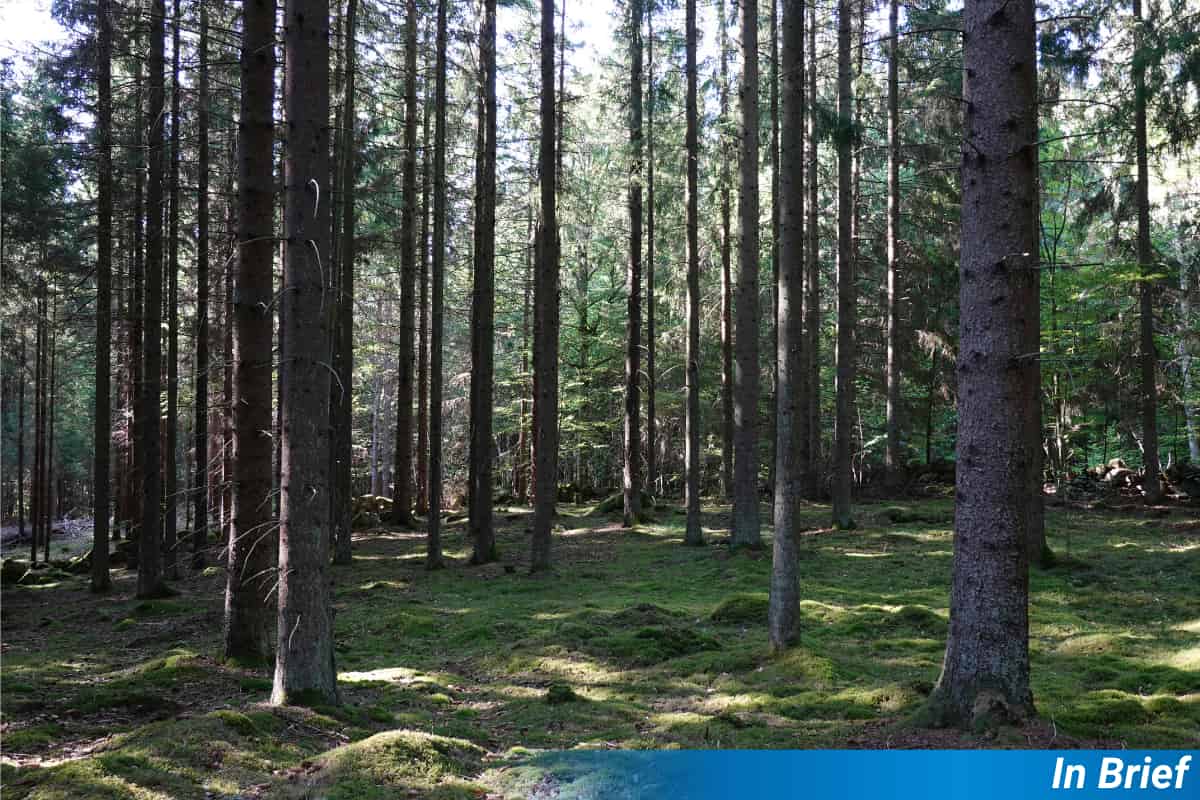



Tangarife-Escobar and colleagues have uncovered insights into carbon cycling in boreal forests. The scientists studied a forest stand in northern Sweden, examining how carbon moves through different parts of the ecosystem.
The team found that carbon cycles rapidly through living plants, taking just months to years. However, carbon in dead plant matter and wood can stick around for decades. Surprisingly, very little new carbon makes its way into deeper mineral soils, where it could be stored long-term.
The scientists measured radiocarbon to track how carbon moves through various forest components. This technique uses the “bomb spike” of radiocarbon released by nuclear testing in the 1950s-60s as a tracer. Higher levels of this radiocarbon indicate more recent carbon, while lower levels suggest older carbon.
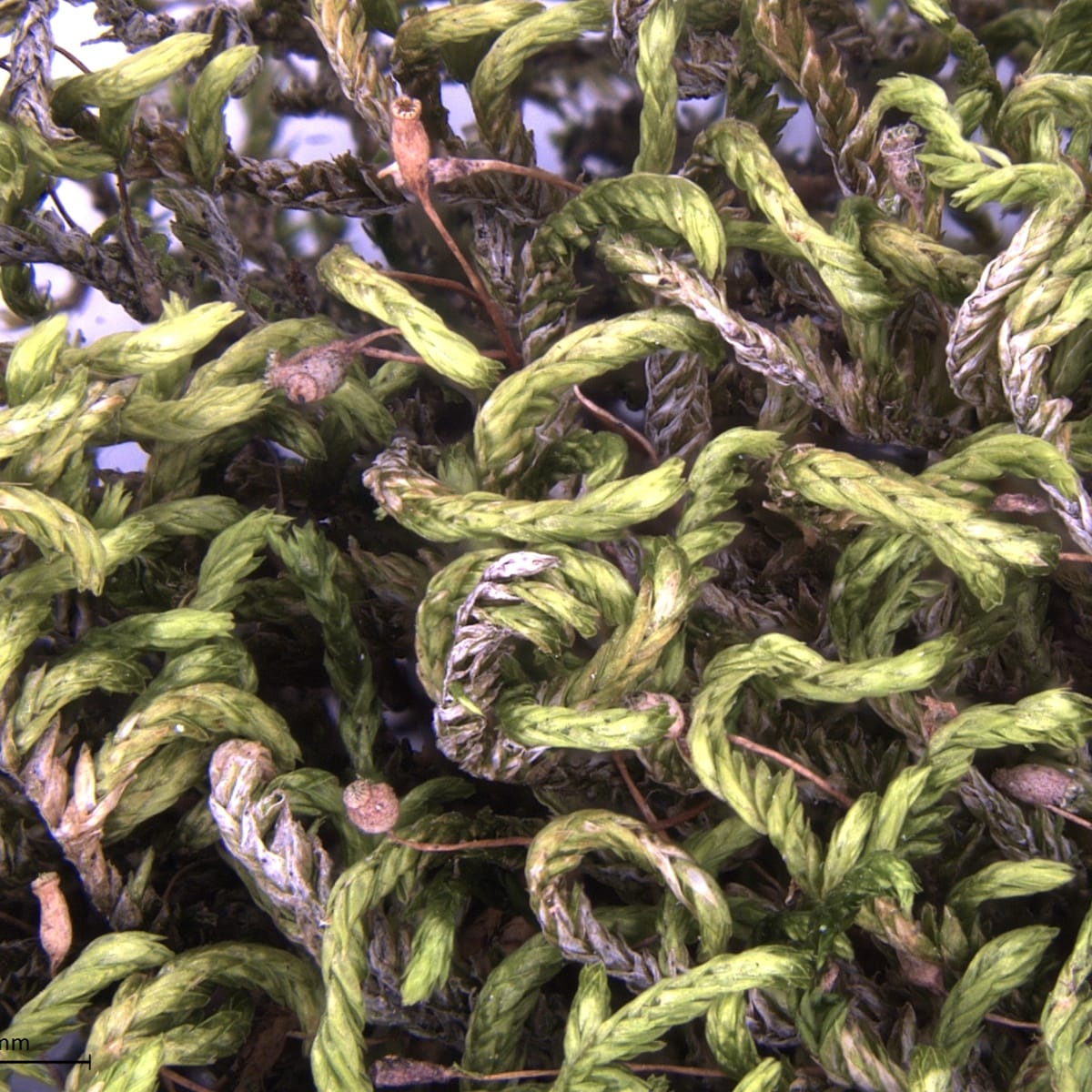
The researchers discovered that carbon in leaves, moss, and fungi was quite new – less than two years old on average. In contrast, carbon in dead wood and the upper soil layer was decades old. Worryingly, mineral soils below 10 cm depth contained very little new carbon, despite storing large amounts of old carbon.
The research provides new evidence that mineral soils incorporate very little new carbon, challenging assumptions about long-term carbon storage in these ecosystems.
Altogether, we show evidence of a slow accumulation rate of SOM [Soil Organic Matter] restricted to the most superficial soil layer, which coupled with the fast ecosystem respiration, indicates that boreal forests soils may not be efficient for short-term C sequestration.
Tangarife‐Escobar, A., Guggenberger, G., Feng, X., Muñoz, E., Chanca, I., Peichl, M., Smith, P., & Sierra, C. A. (2024). Radiocarbon Isotopic Disequilibrium Shows Little Incorporation of New Carbon in Mineral Soils of a Boreal Forest Ecosystem. Journal of Geophysical Research: Biogeosciences. https://doi.org/10.1029/2024JG008191 (OA)