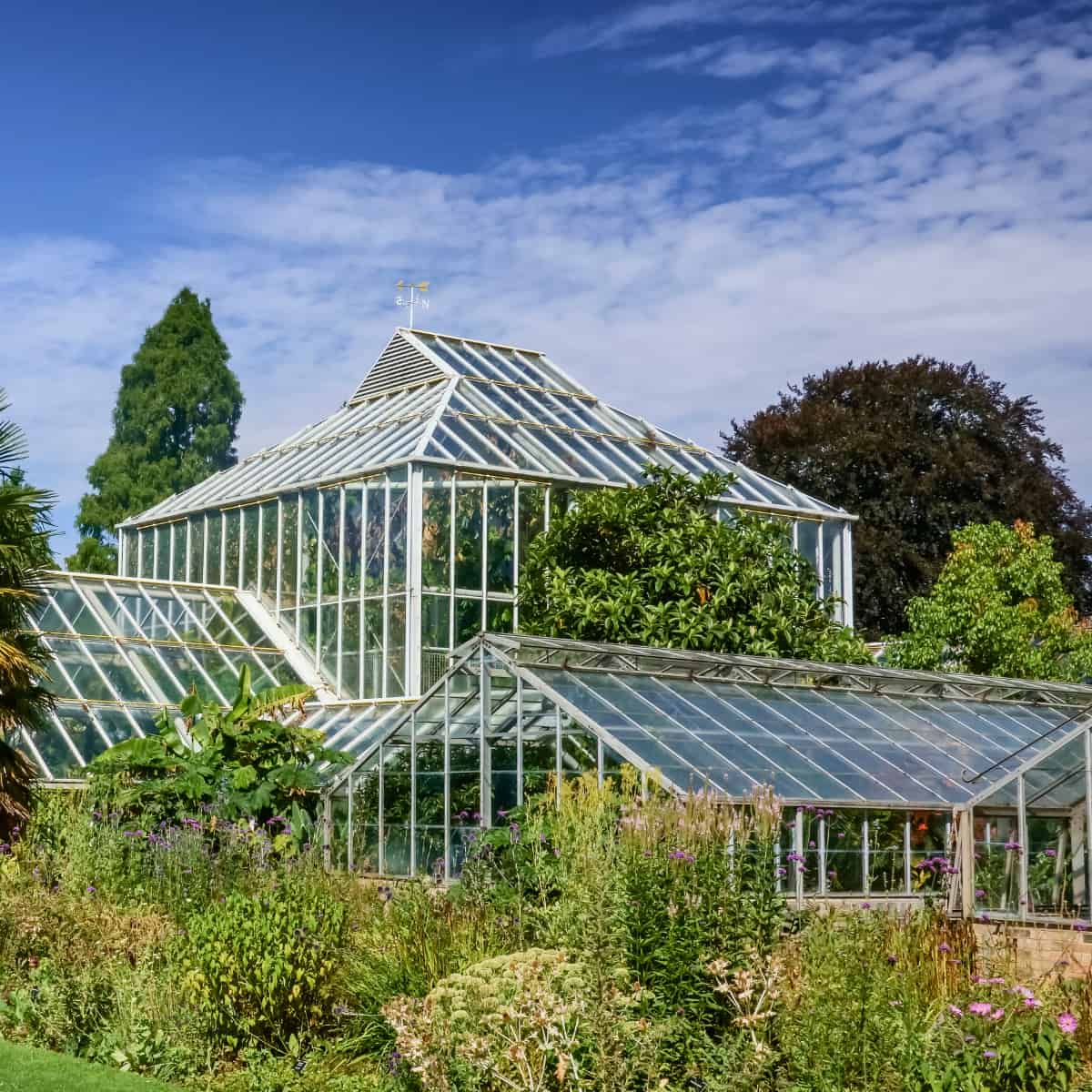



Botanic gardens may seem like nice places for picnics, but they have a function as vital repositories of living plant species. Thirty per cent of living land plant species can be found in a botanic garden somewhere and these collections help support education, scientific research, and conservation. But even under ideal conditions plants grow, reproduce and die, so collections need constant maintenance. When plants are grown outside their natural habitat they can be extremely resource intensive. With a lot of the planet’s plant life yet to be discovered, and with a lot of it endangered, how much more capacity do botanic gardens have? Brockington and colleagues analysed a century of data from botanical gardens worldwide. They have found that they may well be working at capacity.
Cambridge University Botanic Garden curator Prof Sam Brockington, told the Guardian: “Botanic gardens are full. We’re running out of space and resources. The rate at which plants are being listed as threatened is increasing much more rapidly than the rate at which we’re managing to respond. The risk of extinction is accelerating and our response is too slow.”
Scientists from across the globe analysed data from 50 botanical gardens across 19 countries and 5 continents. They found collections expanded rapidly between 1975-1992, reaching a peak in 2008 and have been declining since 2015. Surprisingly, their plant diversity plateaued in 1990, well before total plant numbers reached their maximum. The limited lifespan of plants in these collections – typically just 15 years – creates an ongoing challenge for maintaining this diversity over time.
One obstacle to conservation is, ironically, the Convention on Biological Diversity (CBD). “Immediately following CBD coming into force we see a marked decrease in wild collections, culminating in a 44% reduction in the acquisition of wild-origin specimens.” Brockington and colleagues say in their report.
Brockington, said in a press release: “The impact of the Convention on Biological Diversity is a remarkable demonstration of the power and value of international agreements. But it seems to be preventing individual botanic gardens from working with many globally threatened plant species that we could help save from extinction.”
The findings imply that tackling the loss of biodiversity has not been prioritised across the world’s botanic gardens as a collective – a fact the researchers say must be urgently addressed.
Brockington concluded: “A concerted, collaborative effort across the world’s botanic gardens is now needed to conserve a genetically diverse range of plants, and to make them available for research and future reintroduction into the wild.”
Brockington, S.F., Cano, Á., Powell, J. et al. 2024. Insights from a century of data reveal global trends in ex situ living plant collections. Nature Ecology & Evolution. https://doi.org/10.1038/s41559-024-02633-z
Cross-posted to Bluesky & Mastodon.
Cover image: Canva.