Computational Models
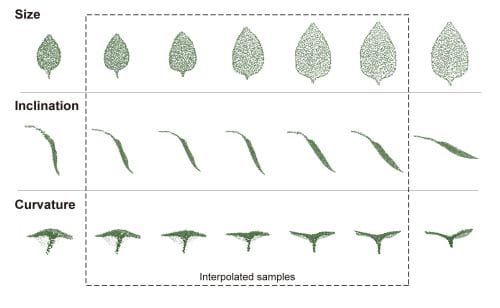
Autonomous construction of 3D leaves
An assessment of deep generative networks in creating realistic 3D data


Writer
Rachel (she/her) is a Founding and Managing Editor of in silico Plants. She has a Master’s Degree in Plant Biology from the University of Illinois. She has over 15 years of academic journal editorial
Computational Models
An assessment of deep generative networks in creating realistic 3D data
Cells, Genes & Molecules
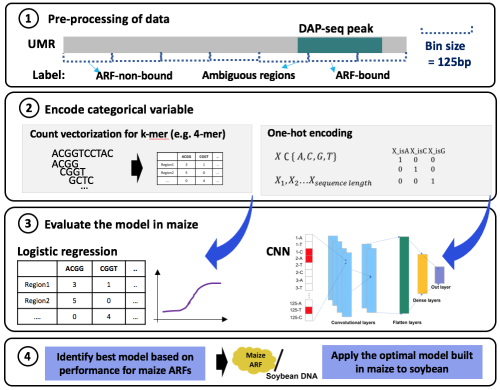
Surveying machine learning methods to improve detection of binding sites.
Computational Models
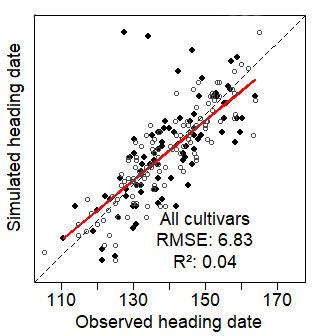
Predicting phenology can provide insight into better management.
Cells, Genes & Molecules
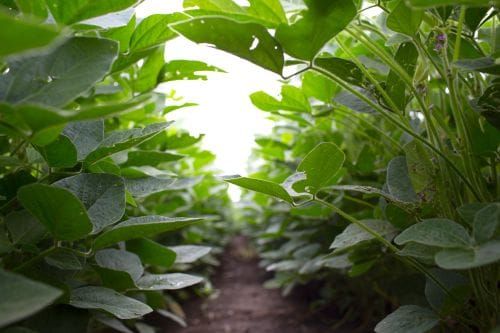
Bioengineering boosts photosynthesis and increases yields in food crops for the first time ever.
Cells, Genes & Molecules
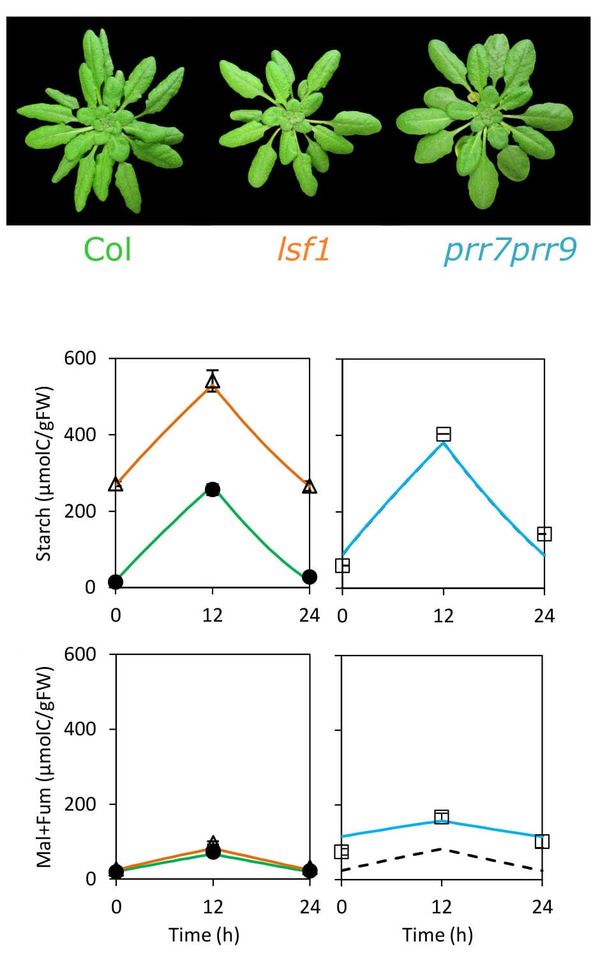
A model designed to study circadian effects on physiology becomes more broadly useful when the clock regulates metabolites.
Cells, Genes & Molecules
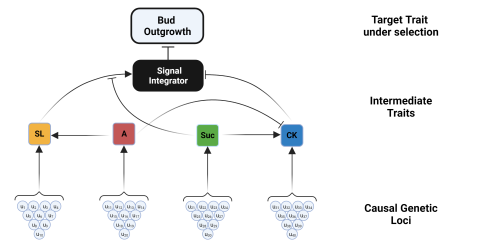
A new gene-to-phenotype network for shoot branching.
Computational Models
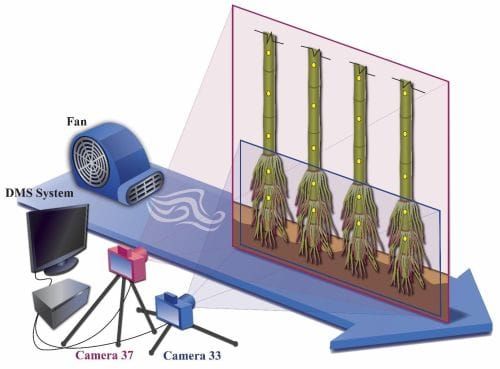
Measuring the impact of brace roots on lodging resistance in maize.
Computational Models
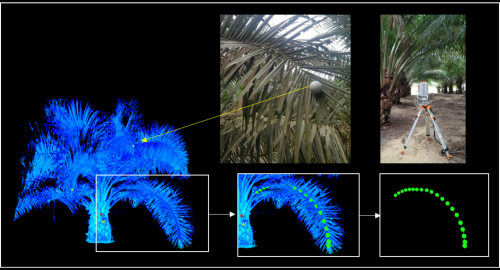
The closeness of plants affects architectural plasticity and carbon uptake.

Cells, Genes & Molecules
A new study uses computational modelling to determine how and why cotton quality develops.
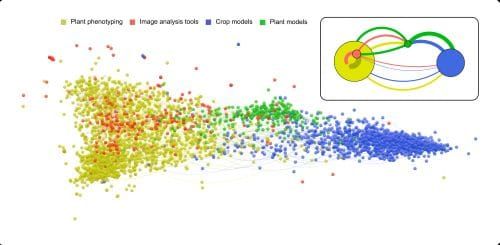
Computational Models
A new study highlights areas of compatibility and strategies to move towards better communication and collaboration.
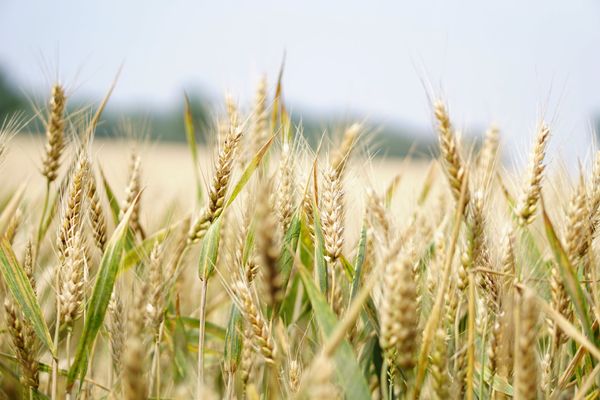
Growth & Development
Using computational models to overcome the shortcomings of high throughput phenotyping field data.
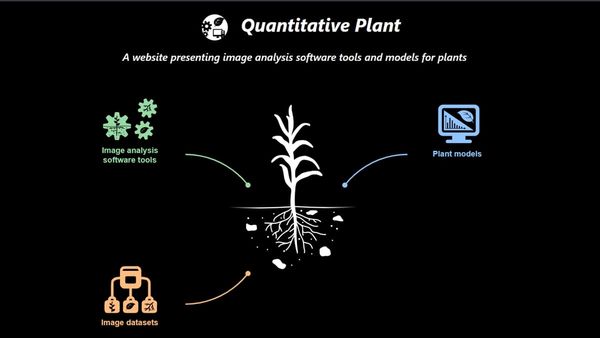
Computational Models
The Quantitative Plant website is a comprehensive database of public datasets for plant phenotyping, image analysis software tools and models for plants.