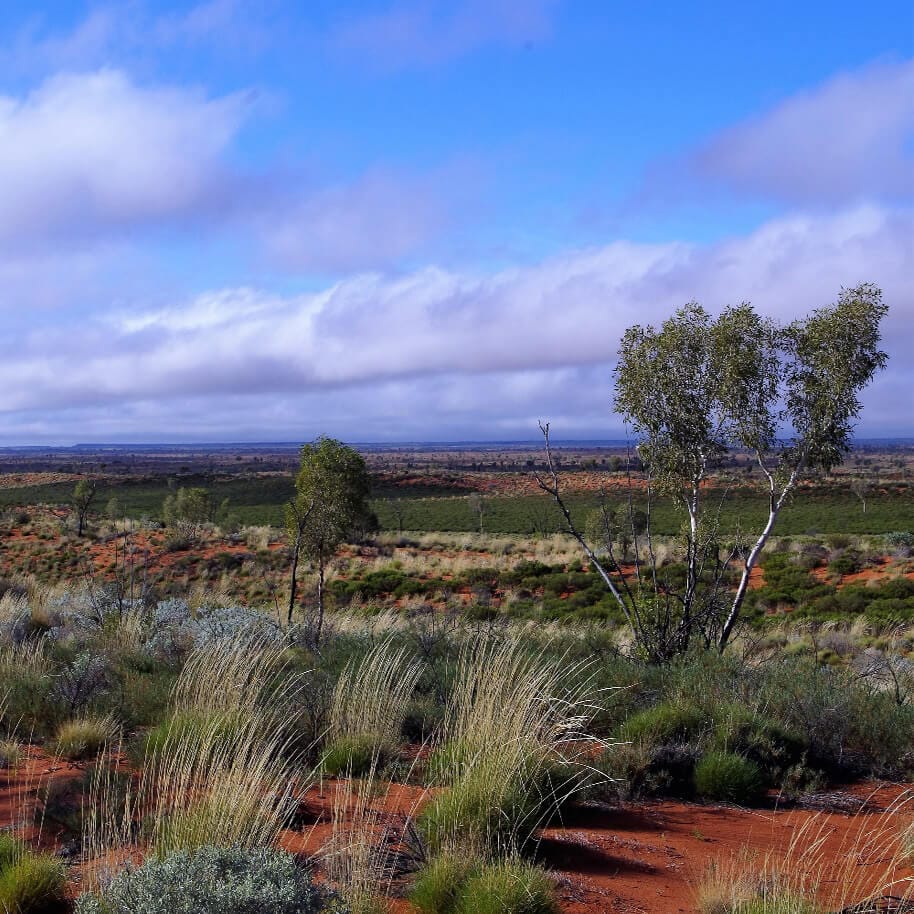
In experimental studies, rainfall-stimulated Triodia pungens masting precipitated a large but transitory spike in soil seedbank size and burning populations 6 months after this event triggered mass recruitment.
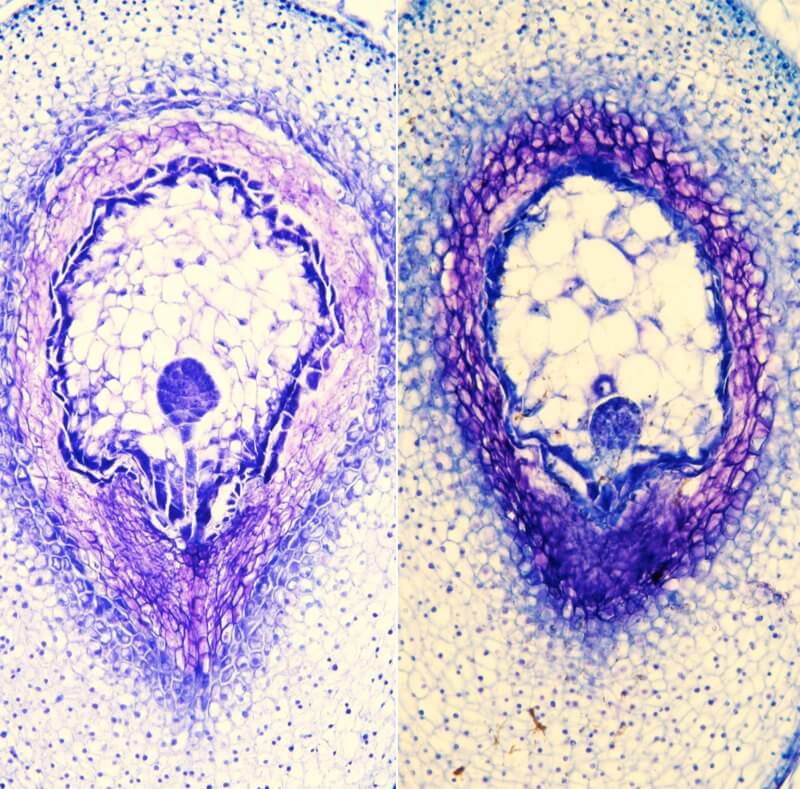
The overall results suggest that near-complete hybrid seed failure can evolve fairly rapidly and without apparent divergence in reproductive phenology/biology.
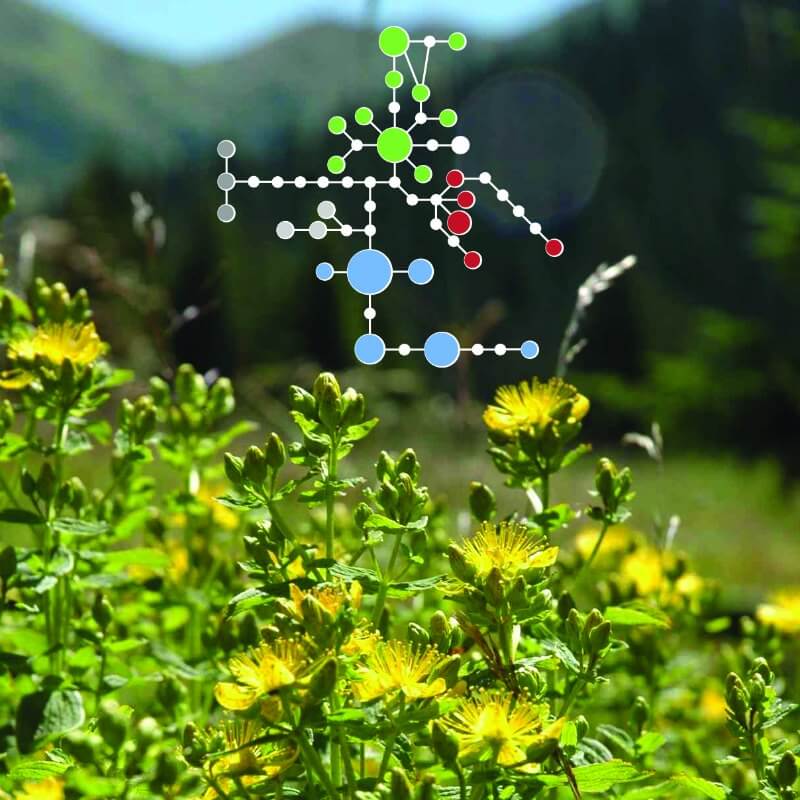
The underlying genetic causes of the switch to apomixes are not yet fully understood, but in Hypericum there is good evidence for the existence of ‘apomictic factors’.
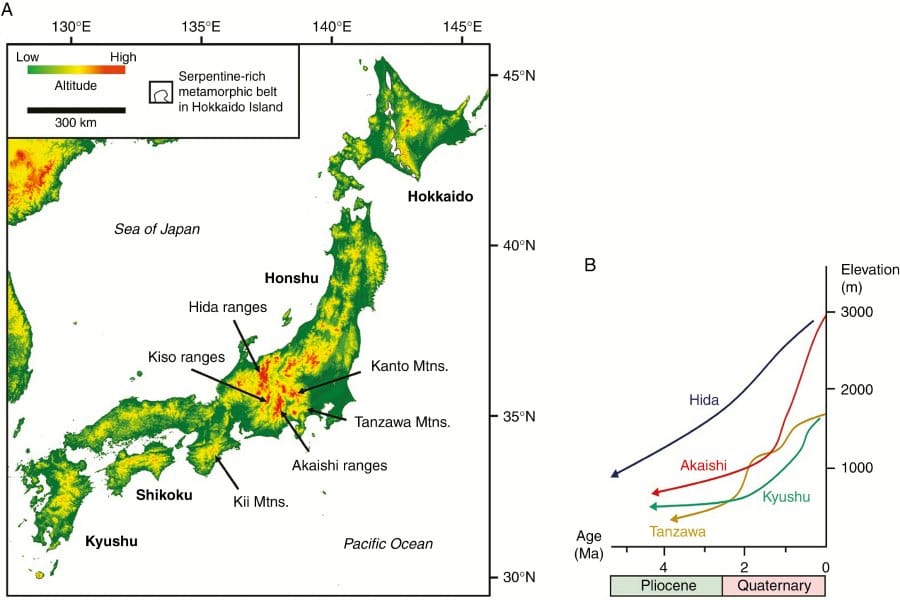
Climatic changes and historical orogenies during the Quaternary might have played a significant role in determining the speciation and diversification patterns of primroses in Japan.
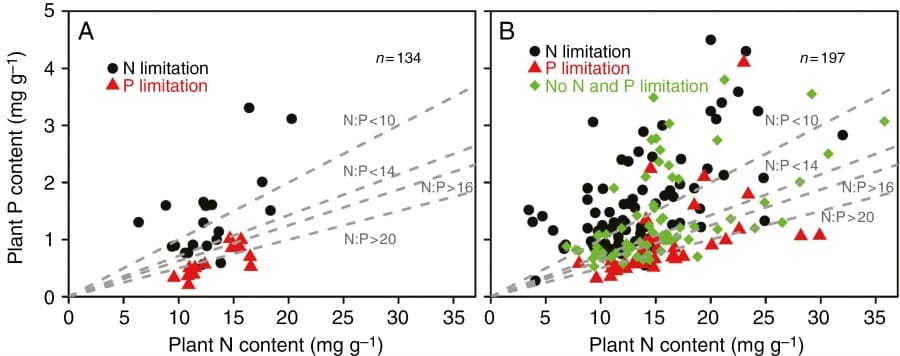
These findings highlight that canonical N:P thresholds have the potential to introduce a large uncertainty when used to detect plant nutrient limitations, suggesting that the error risks should be cautioned in future studies.