

Liam Elliott
35 posts
Liam Elliott has never been good enough at Latin to be able to claim to be a botanist, but can legitimately claim to be a researcher in Plant Sciences at the University of Oxford. He did his undergrad
Follow
© 2026 Botany One. Published with Ghost

The model bean? Computational modelling of Coffea growth
The model can reproduce the measured data, and so opens up avenues for applying this original procedure to other experimental data.
Understanding the connections between plant hormones and cellulose synthesis in plants: still a great unknown!
Wang and colleagues review the relationships between key phytohormone classes and cellulose deposition in plant systems.
Unravelling how a mysterious substance may boost plant growth
Capstaff and colleagues investigate how soil-derived fulvic acid may boost growth of alfalfa
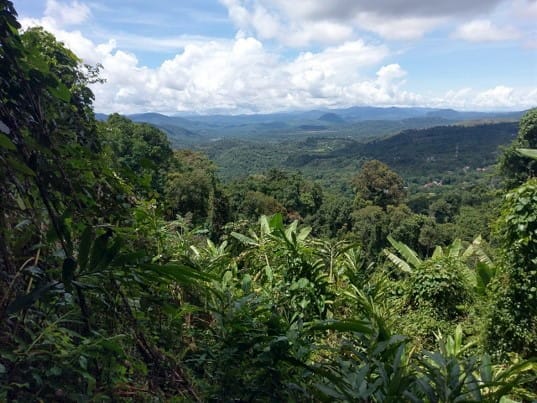
Metalheads! Patterns of extreme mineral accumulation in plants
Examining patterns of mineral accumulation in plants gives clues as to how some plants can accumulate extreme amounts of some minerals
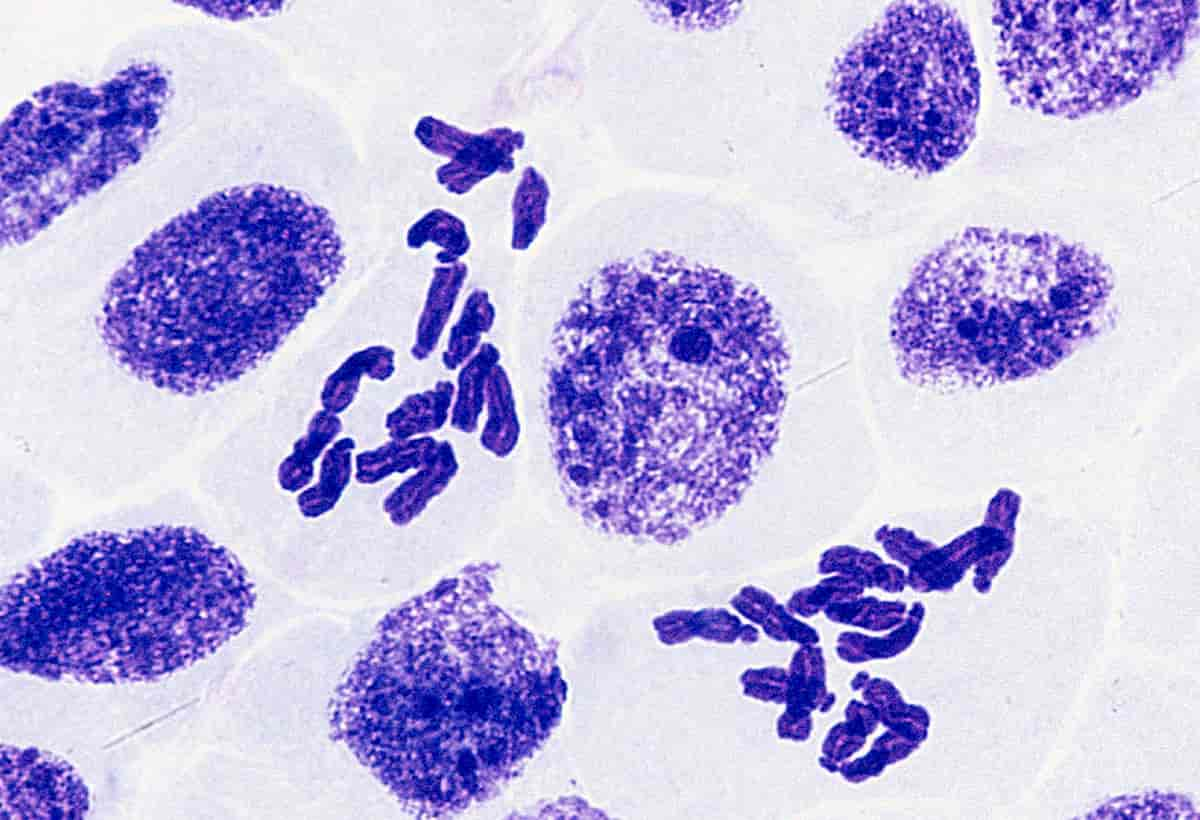
Move over Factor 50! Can increasing their number of chromosomes help protect plants against UV?
Increased chromosome number due to UV is known to occur in lab experiments, but does it happen in real environments?
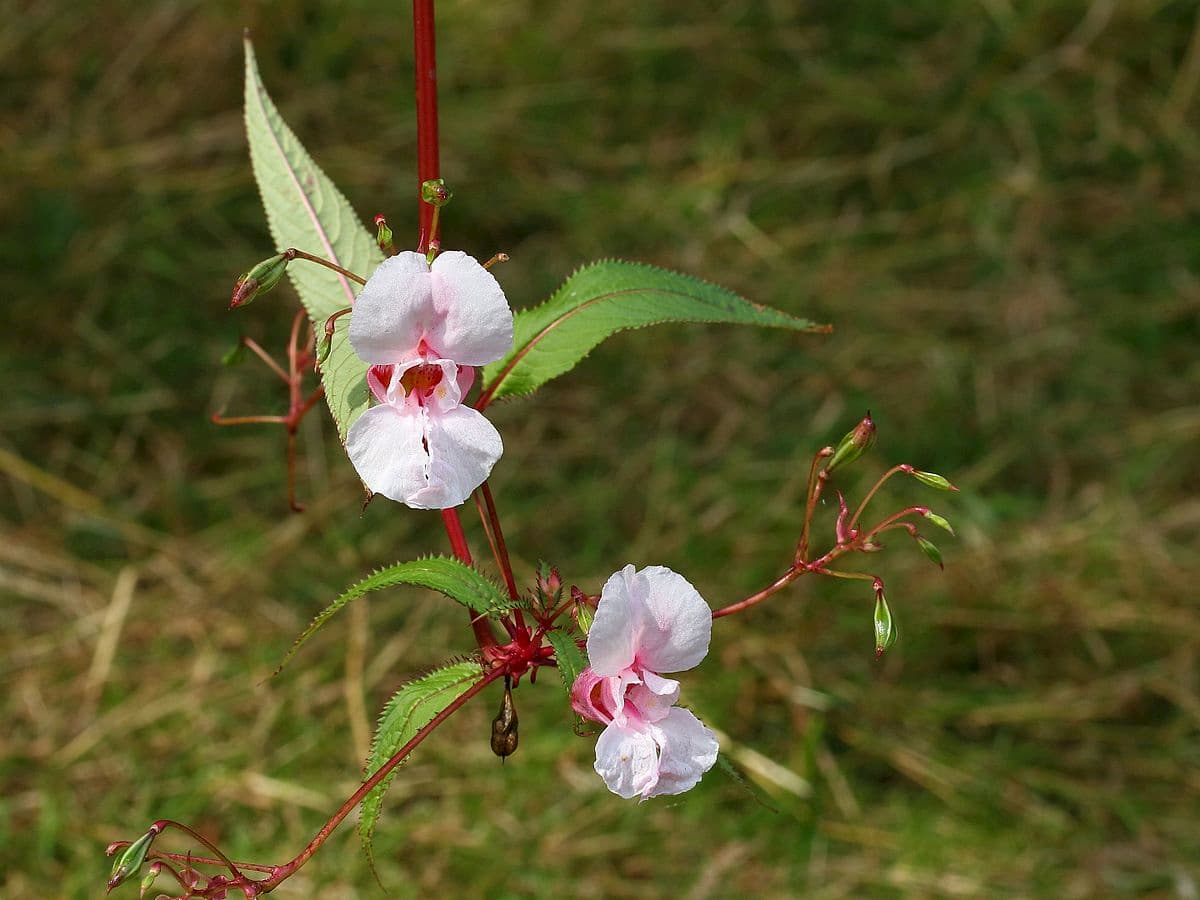
What makes a good invasive species – genetics or plasticity? Insights from Impatiens glandulifera
Understanding what makes invasive plant species so good at invading may help us protect vulnerable plant biodiversity.
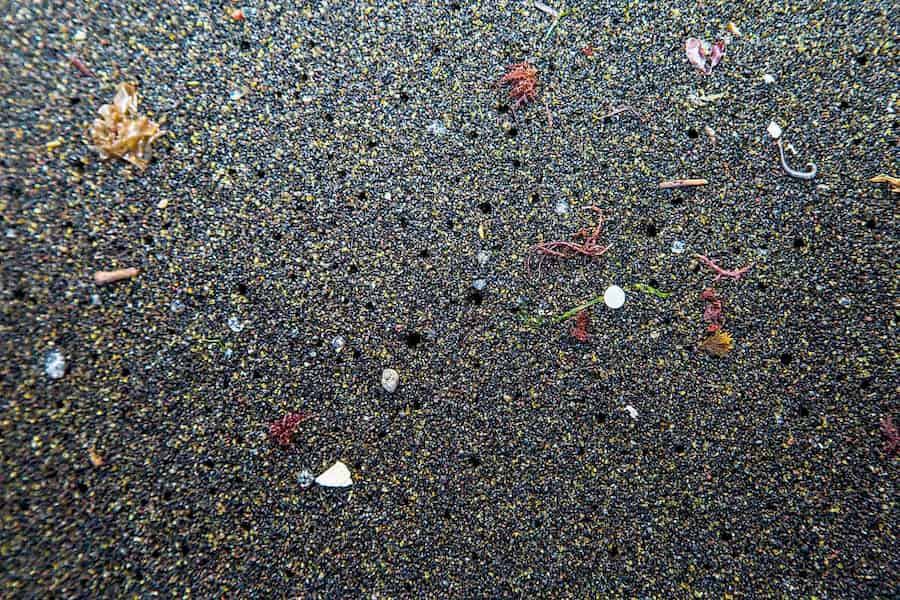
Plastic plants?! Nanoplastics may be bad news for plants too.
More evidence that the damaging potential of small plastics needs to extend to terrestrial environments.
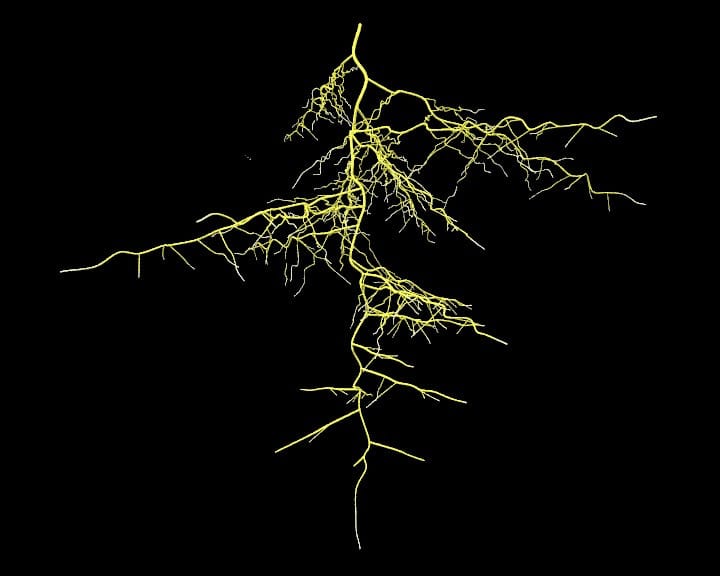
Going below ground: how some of the diversity in plant root morphology arose
A major transition in plant growth habit may have driven evolution of certain root traits
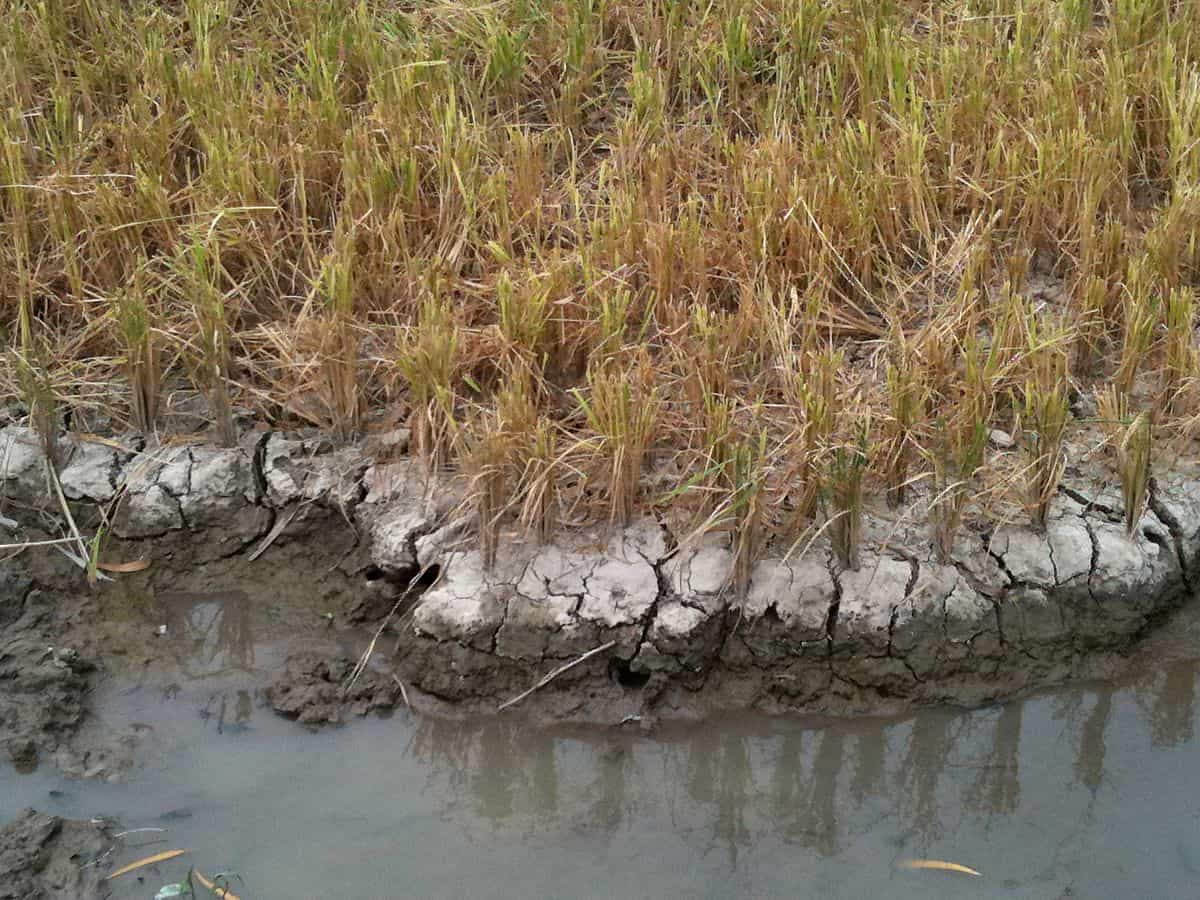
From computer to field: can in silico modelling can help us to optimise rice for possible droughts?
Advances in computational models may allow us to quickly predict responses of important food crops to environmental stresses in the field, and to identify the genetic basis of these.

Stay in the loop.
Sign up to receive updates and the latest news from Botany One.
Your email