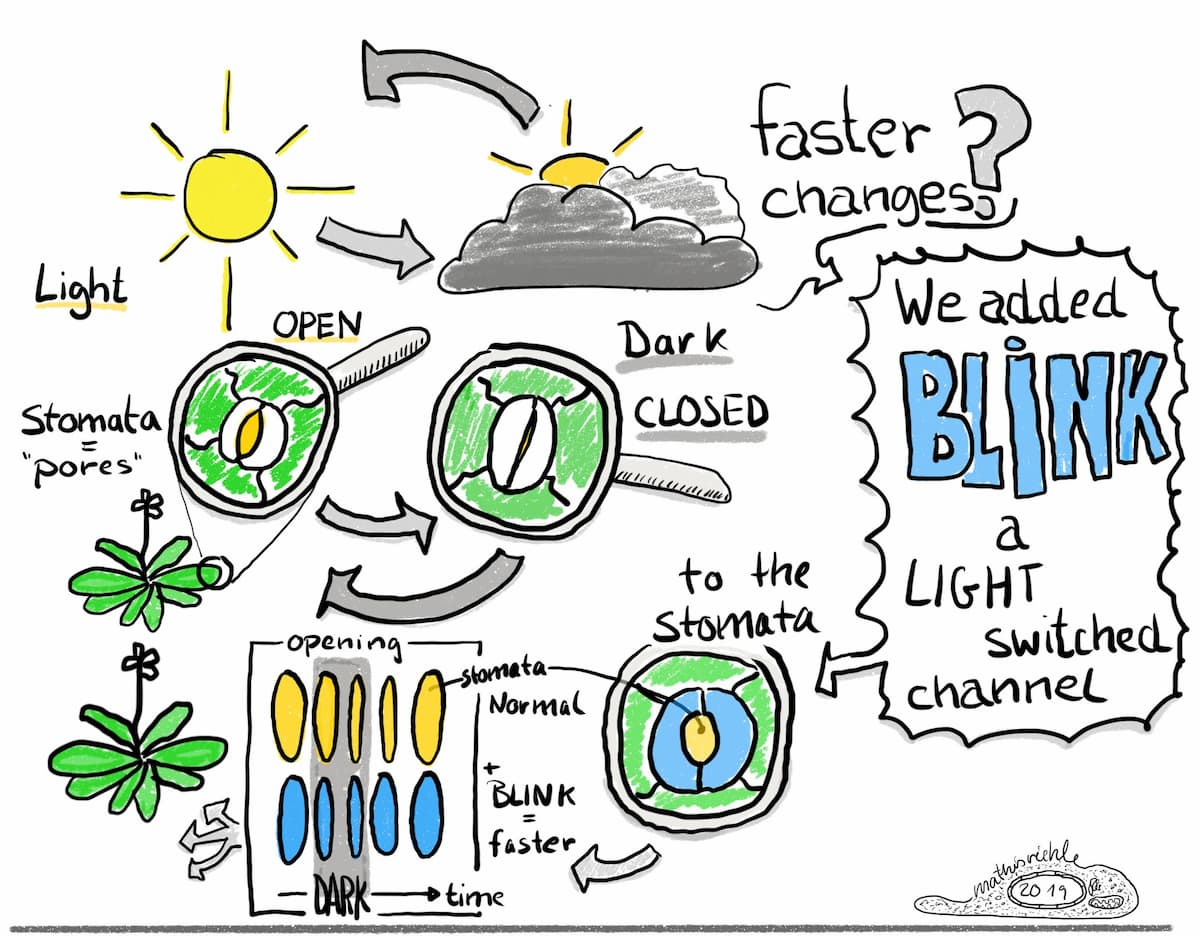
Photosynthesis needs water. Guest blogger Maria Papanatsiou has a new way of increasing water efficiency in plants, enabling them to do more with less.
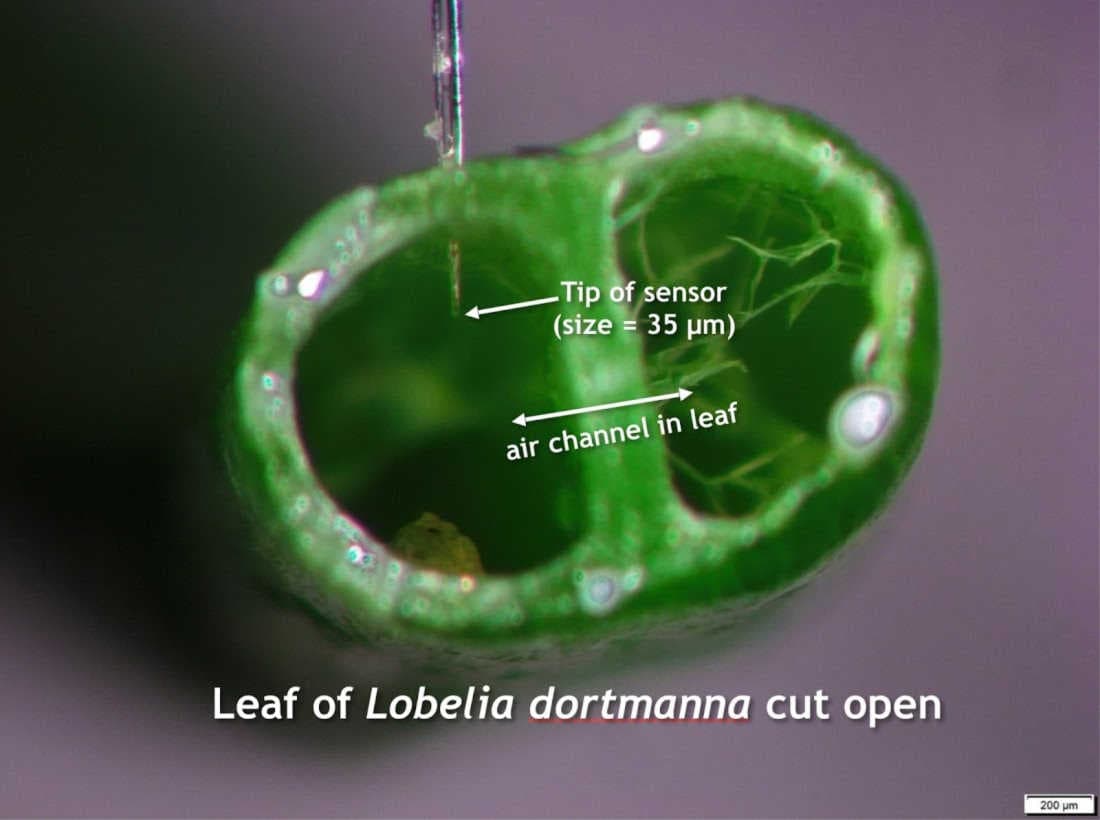
We have constructed a new CO2 microsensor with a tip diameter as small as the thinnest of human hairs. This new microsensor can be positioned in plant tissues in controlled laboratory experiments as well as in the field, and has already revealed some old secrets of submerged aquatic plants.
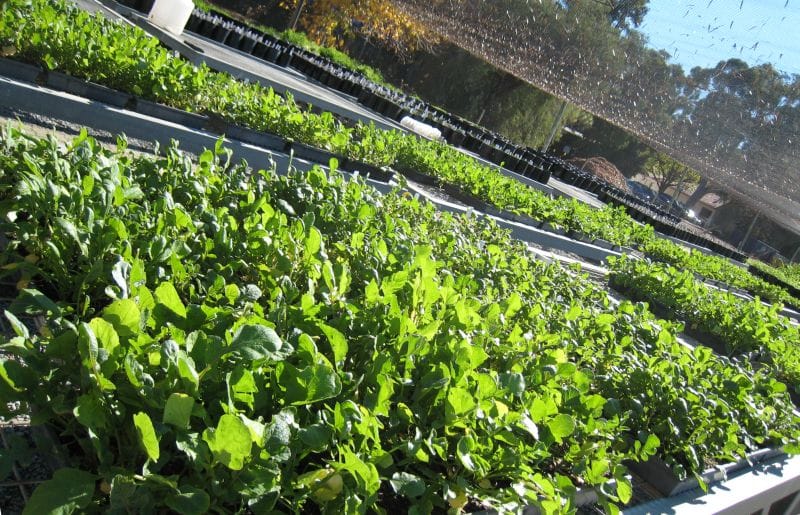
Guest author Danica Goggin finds wild radish is a problem weed in many agricultural regions. It is also very good at concealing its herbicide resistance strategies from inquisitive researchers. But with the introduction of synthetic auxin-resistant transgenic crops in North America, we need to keep
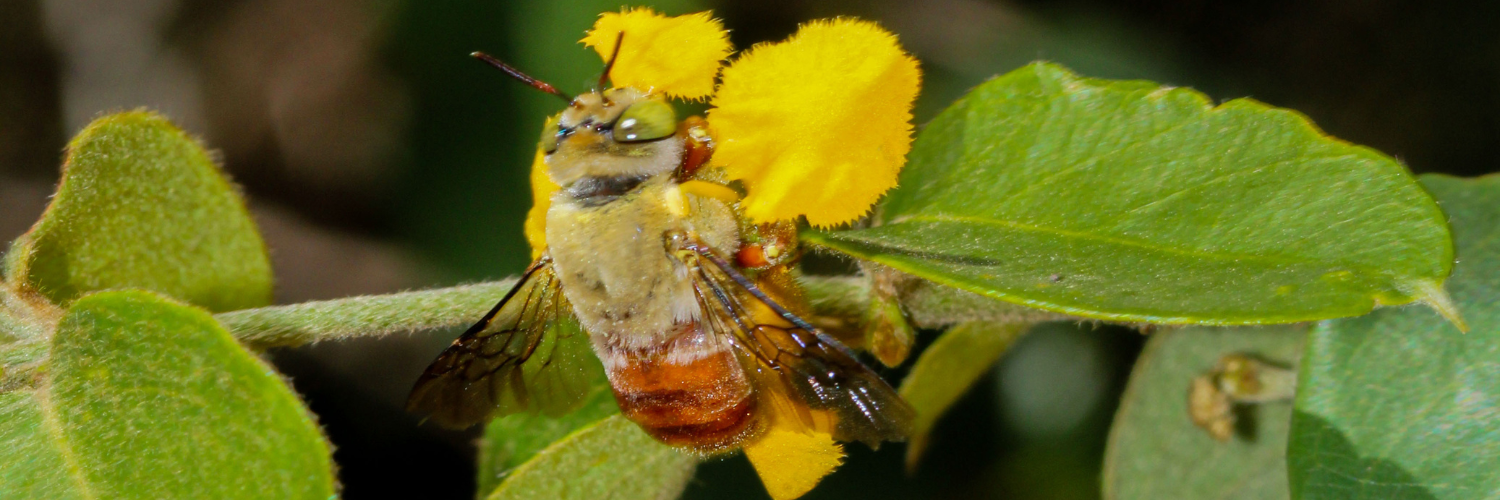
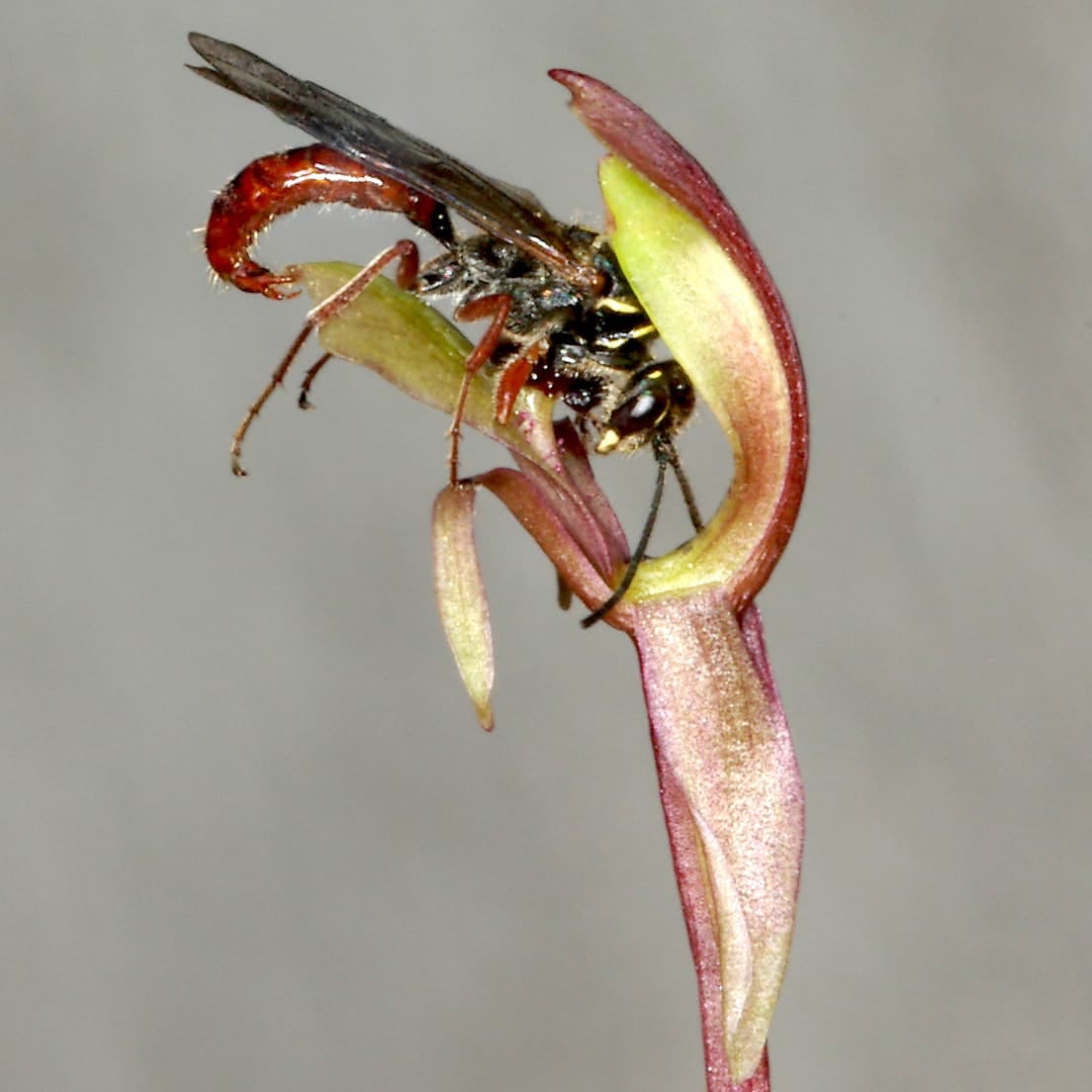
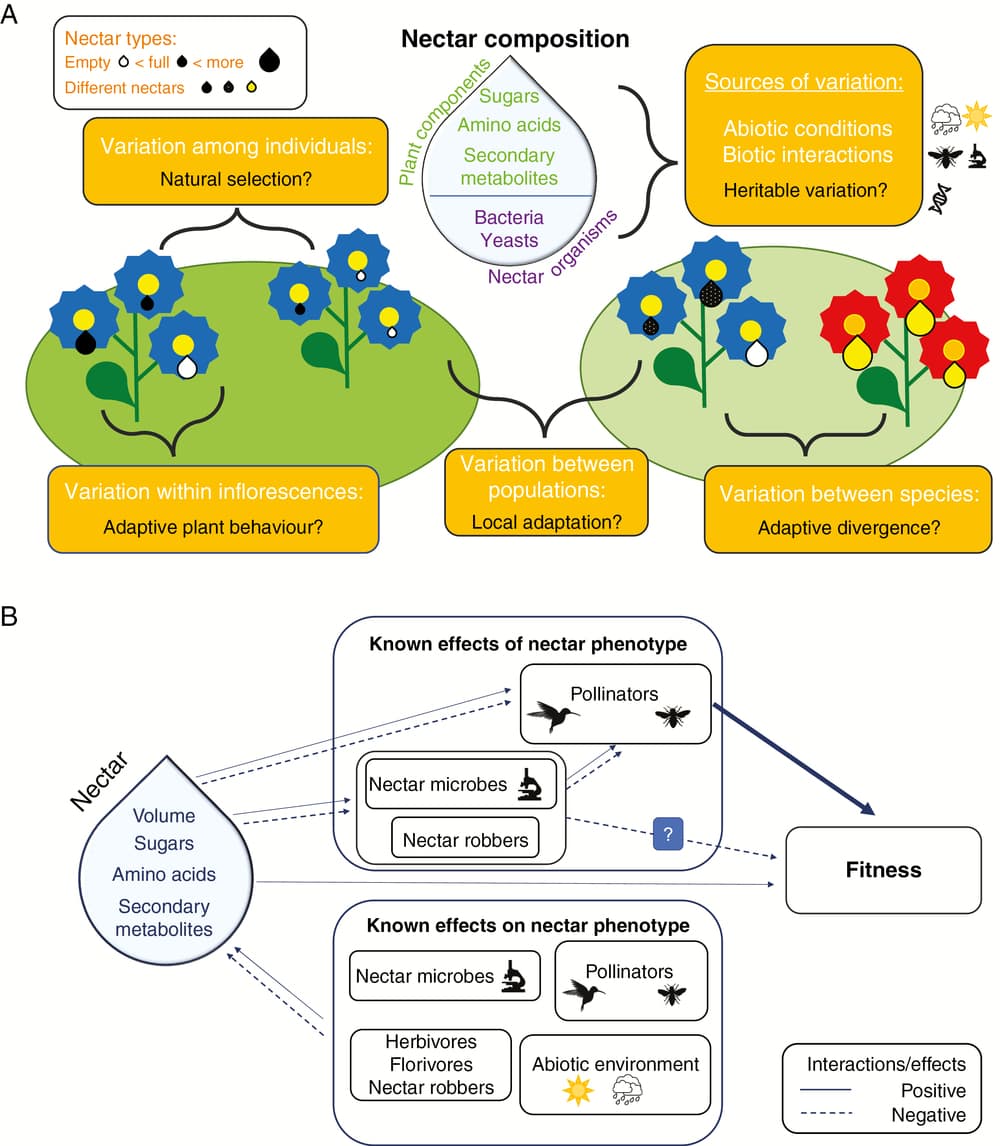
We know that flowers entice pollinators with nectar, but how much and what causes a flower to produce as much or as little nectar as it does. In this guest post, Amy Parachnowitsch, Jessamyn Manson and Nina Sletvold introduce their review of the topic, which you can get free from the Annals of Botan
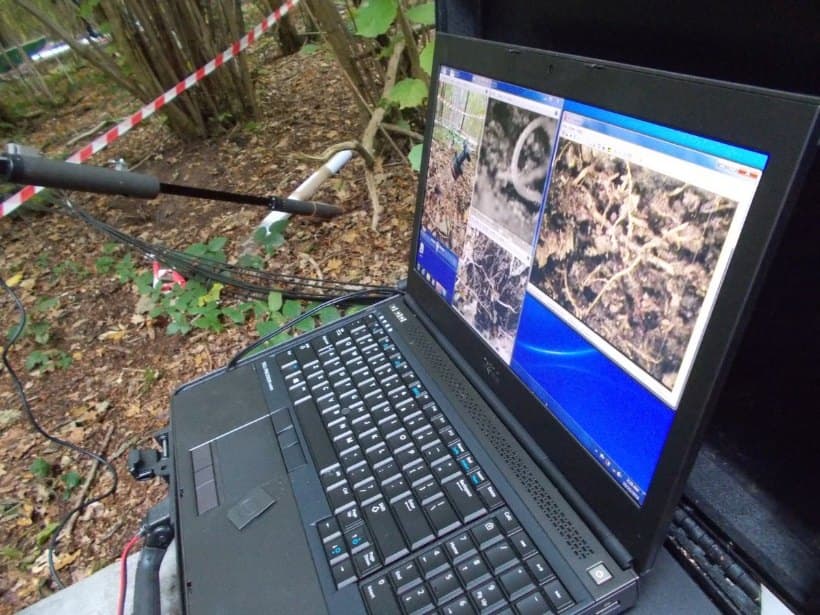
How will plants respond to rising carbon dioxide levels in the atmosphere? Botanists at BIFoR, the Birmingham Institute for Forest Research have gone underground to find some of the answers.