
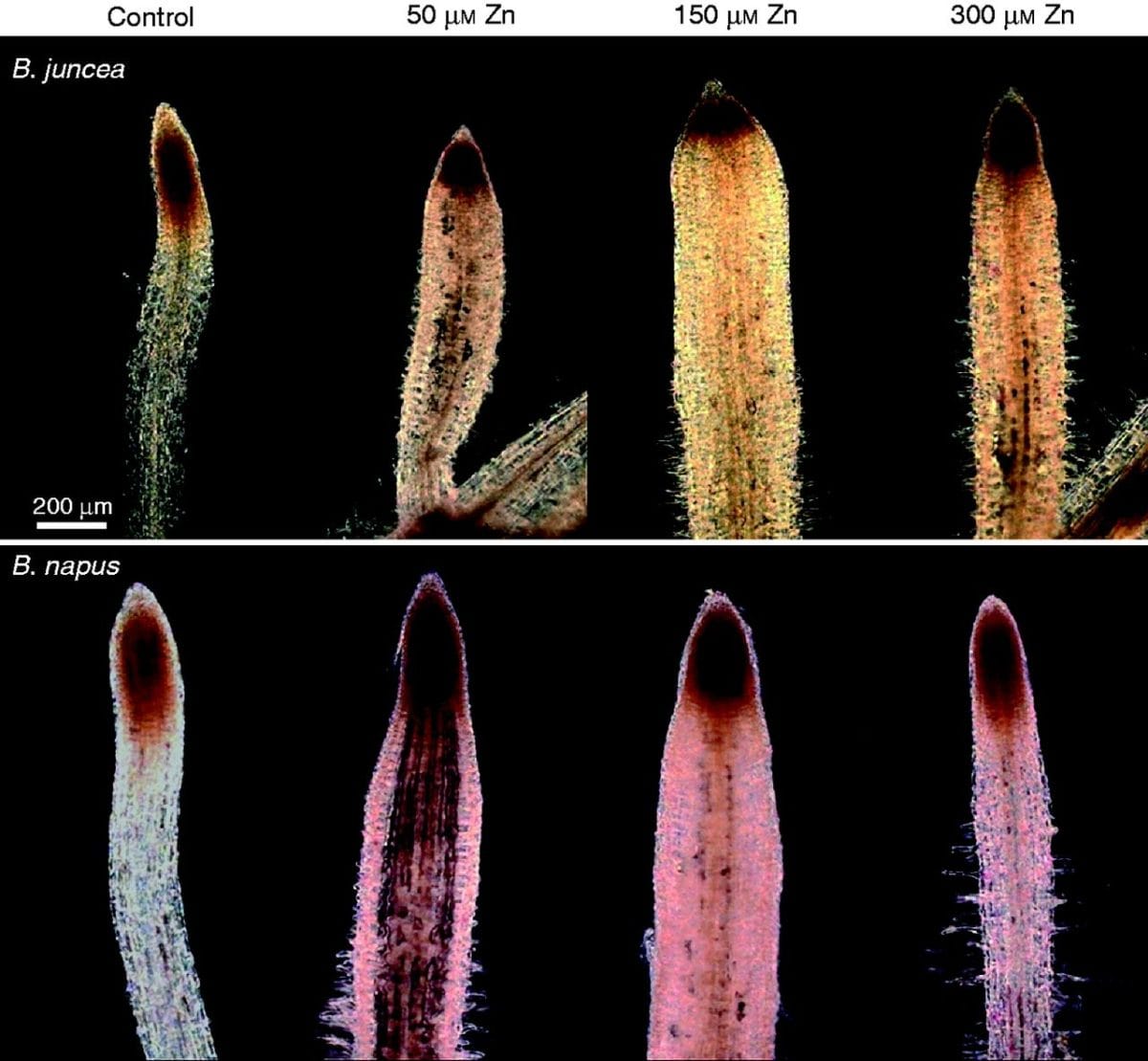
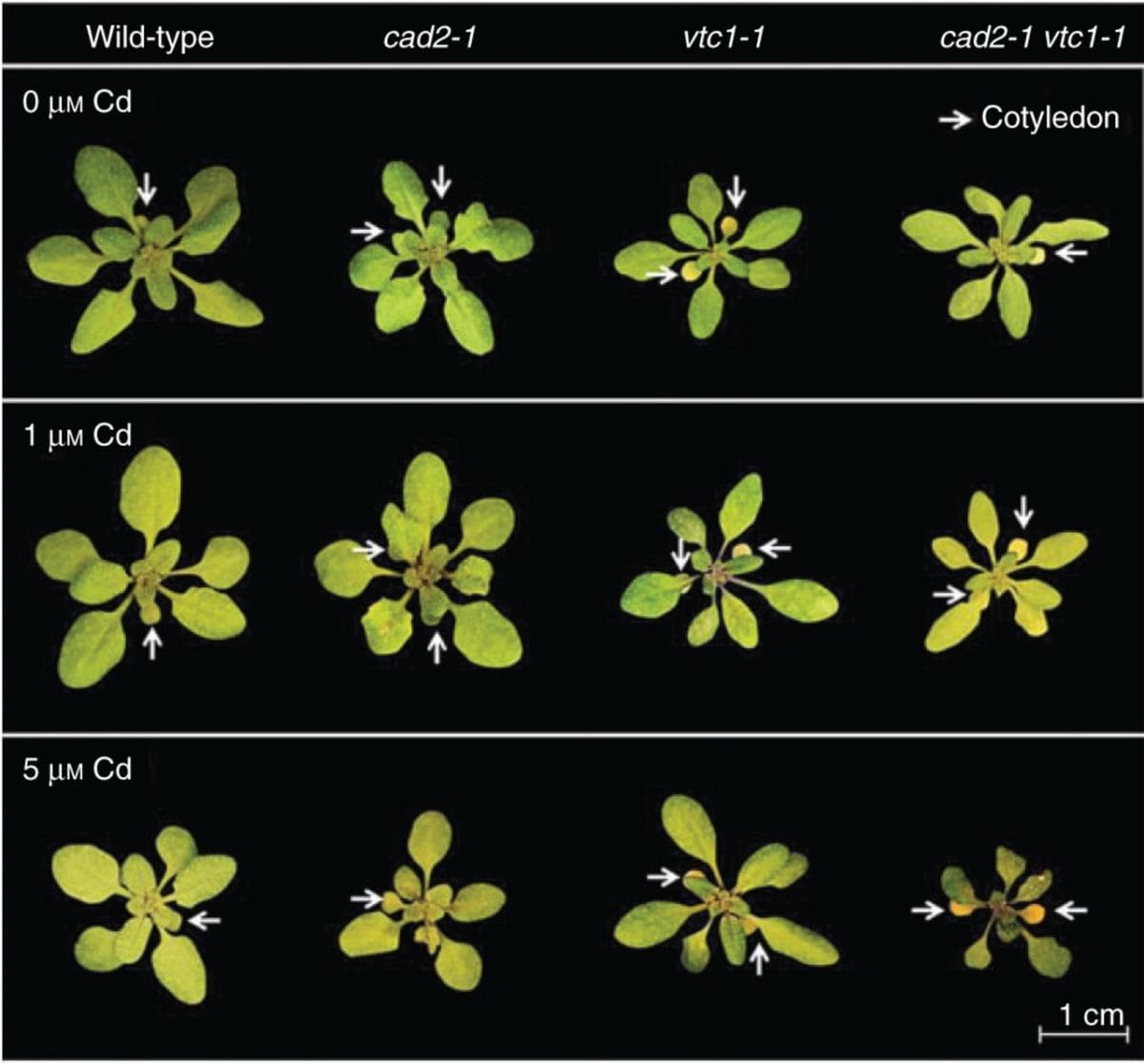
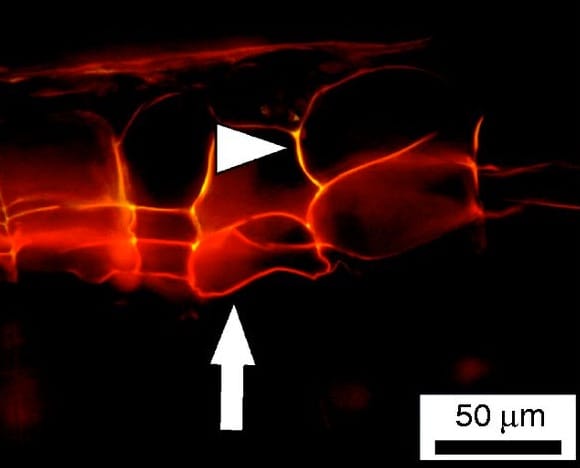
Wound-periderm-like tissue induced by UV-B radiation
Nascimento et al. expose plants to supplemental UV-B radiation and find that it causes the formation of brown areas on the leaves, which develop into a protective tissue on the adaxial side of the leaf, but only in directly exposed regions
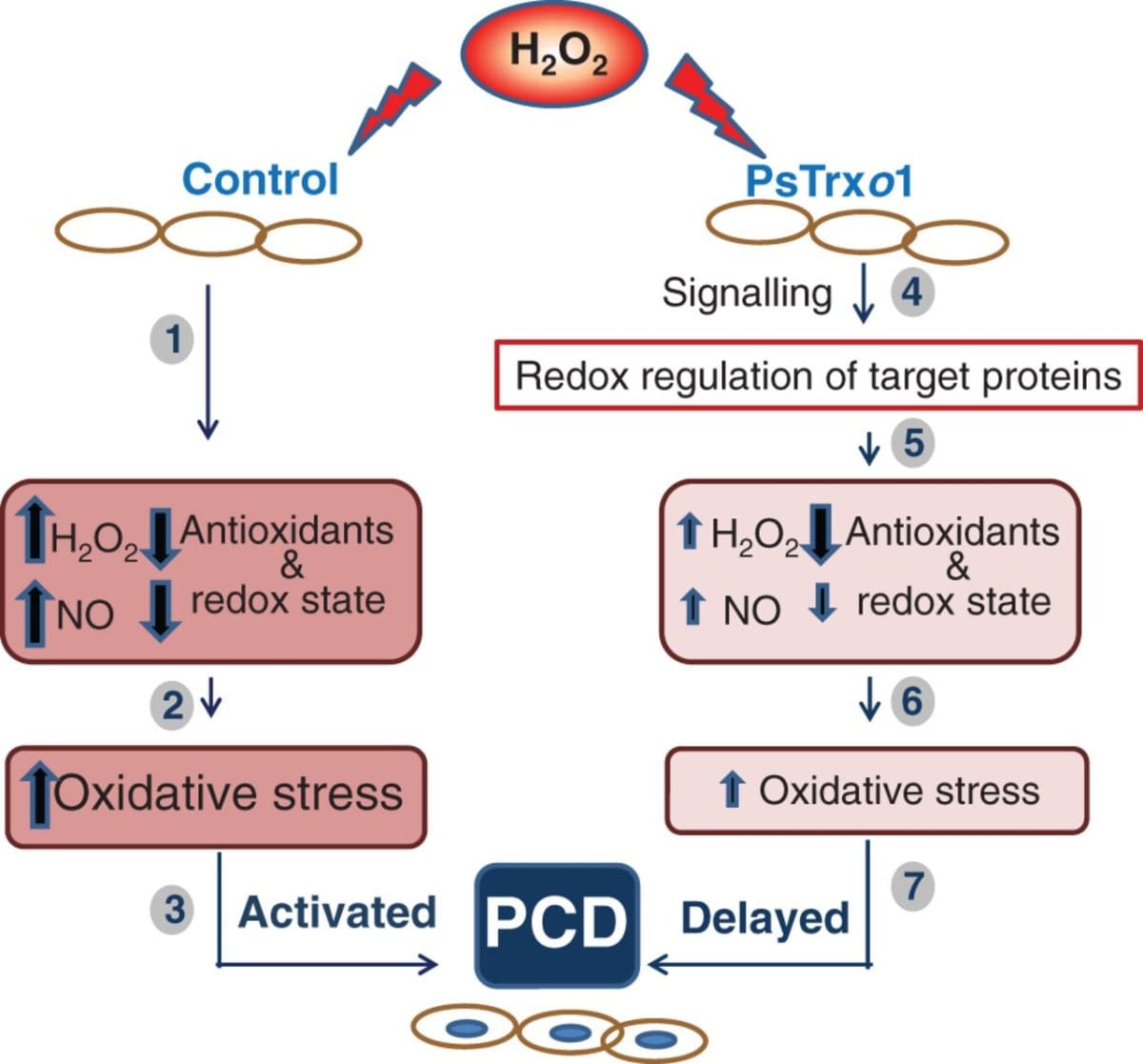
Over-expression of Trxo1 and cell viability under H2O2 stress
Ortiz-Espín et al. [http://dx.doi.org/10.1093/aob/mcv076] treat over-expressing PsTrxo1 tobacco (Nicotiana tabacum) BY-2 cells with H2O2 and find a significant delay in cell death compared to controls, which may in part be due to a decreased content of endogenous H2O2 in the over-expressing cells, i
![Set-up of split nitrate supply [0·5 mM for low nitrate (LN) and 4·0 mM for high nitrate (HN)] to roots of the maize inbred li](/content/images/size/w2000/botany-one/wp-content/uploads/2015/10/zeamays.jpg)
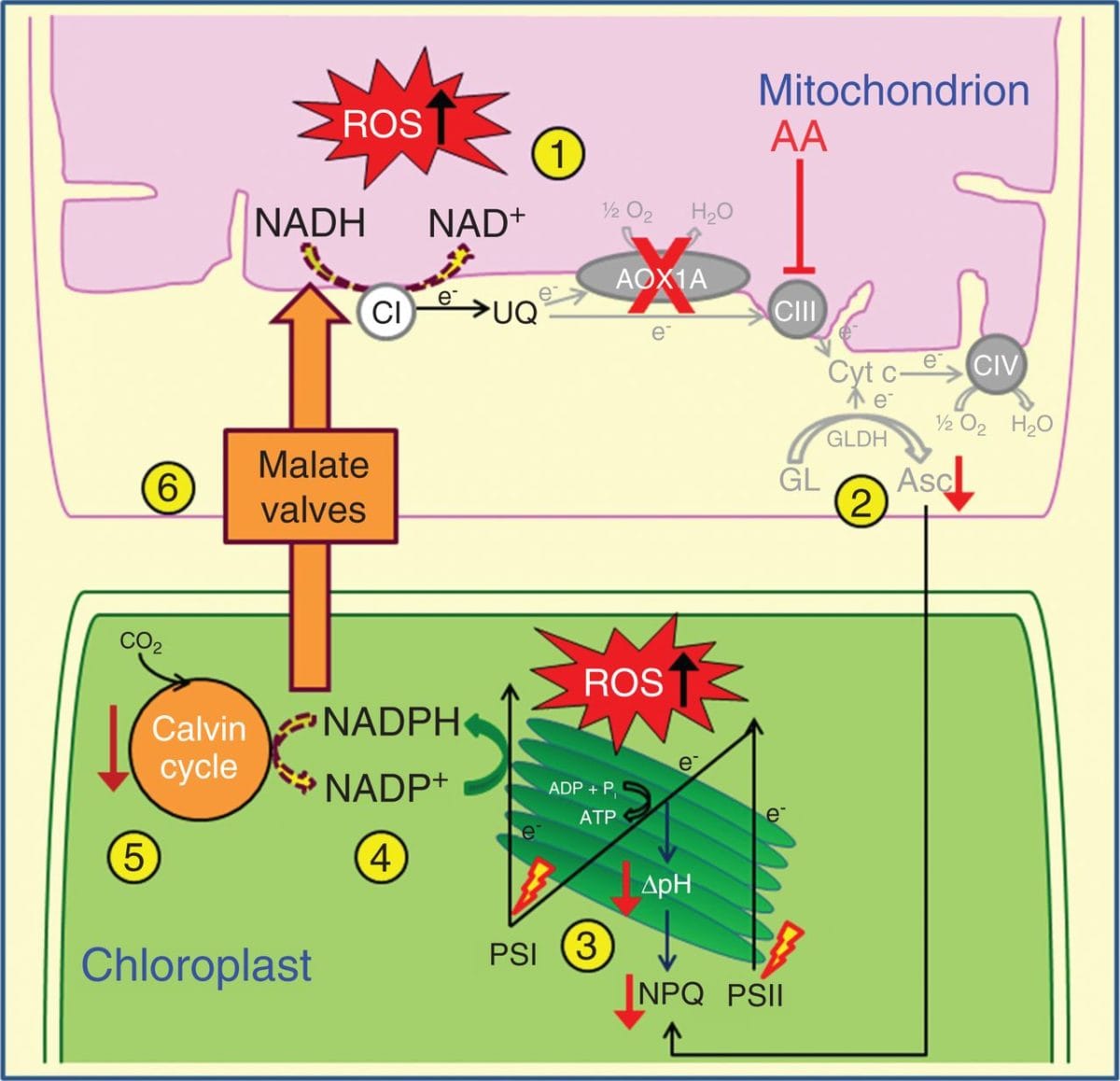
Role of AOX1A in optimizing photosynthesis
Vishwakarma et al. [http://dx.doi.org/10.1093/aob/mcv122] treat wild-type and aox1a knock-out mutants of Arabidopsis thaliana with antimycin A and find that restriction of the cytochrome c oxidase (COX) pathway in the background of an impaired AOX pathway results in a substantial decrease in respira
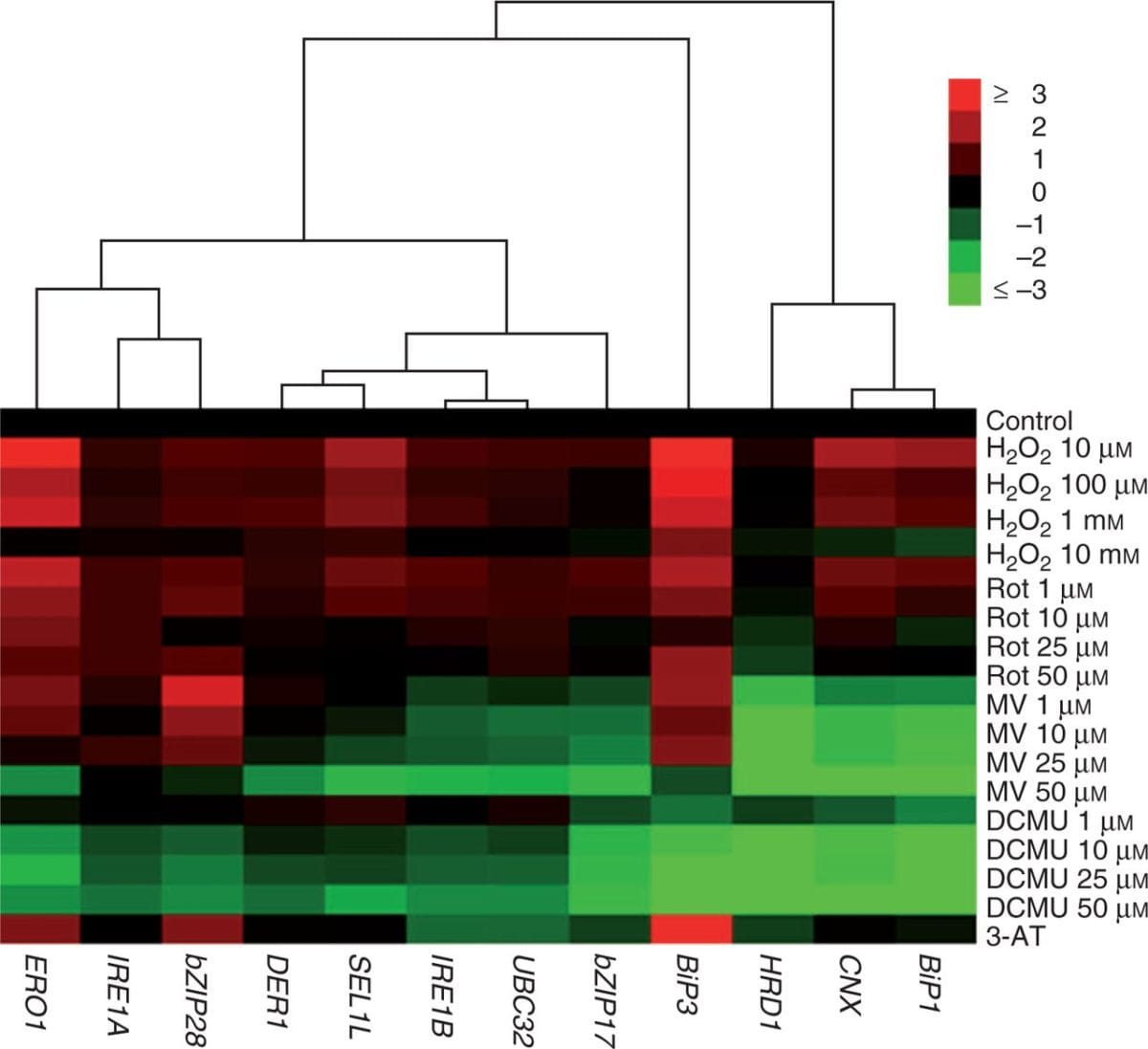
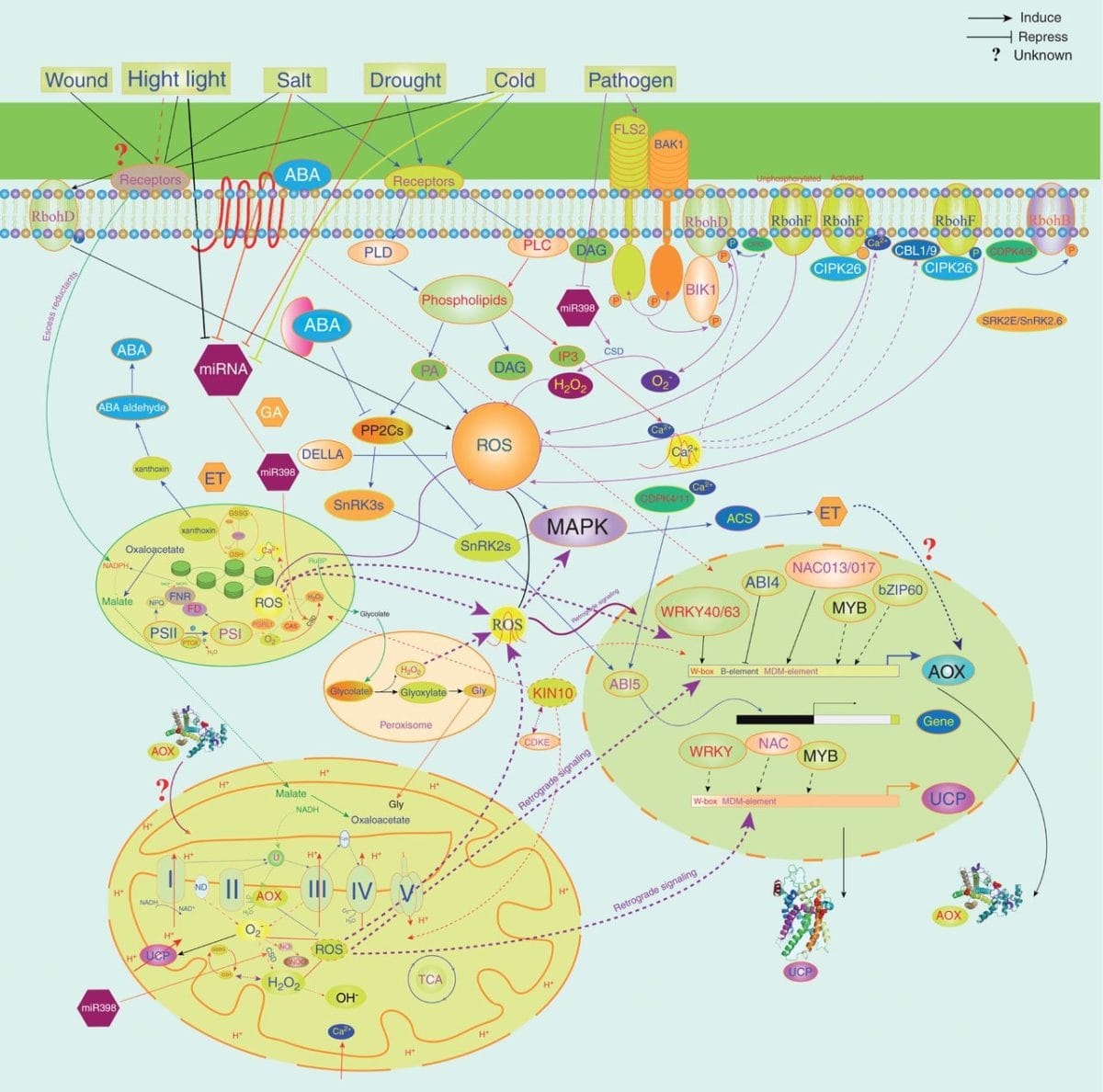
Organelle-originated ROS and endoplasmic reticulum responses
Ozgur et al. [http://dx.doi.org/10.1093/aob/mcv072] induce the formation of reactive oxygen species (ROS) in chloroplasts, mitochondria and peroxisomes of Arabidopsis thaliana and find that relatively low concentrations of ROS are more effective for induction of the ER stress response, and that mito
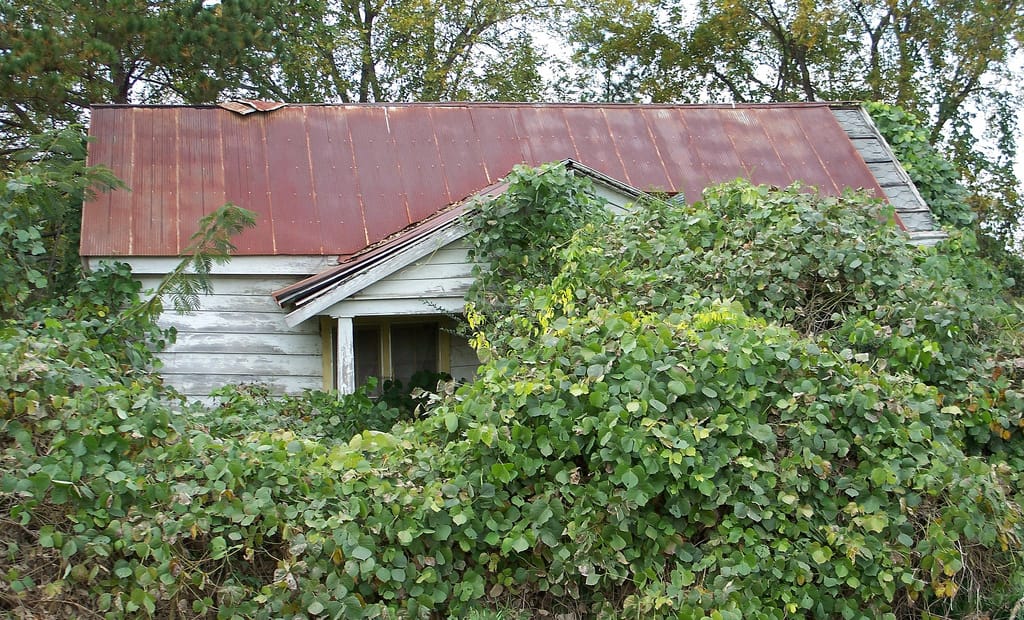
Genetic analysis of spatial overlap by invasive vines
Kartzinel et al. [http://dx.doi.org/10.1093/aob/mcv117] use genetic markers to determine the extent and overlap of genetically unique kudzu vines (Pueraria montana var. lobata) in multiple patches over 2 years, and find that, contrary to expectations, patches are not dominated by one or a few genets

Stay in the loop.
Sign up to receive updates and the latest news from Botany One.
Your email