
Genetic structure and gene flow patterns in Ulmus
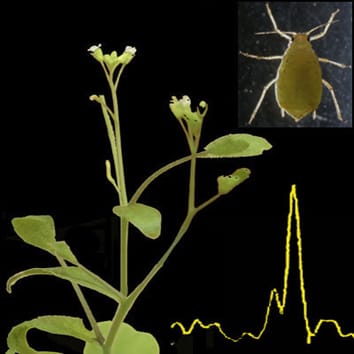
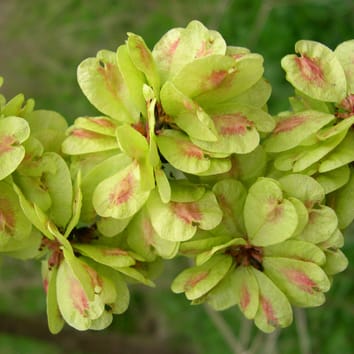
Bertolasi et al. investigate pollen dispersal patterns in a relic U. minor stand surrounded by U. minor and U. pumila trees scattered across 80 km2.
Light effects on somatic and zygotic embryogenesis in larch
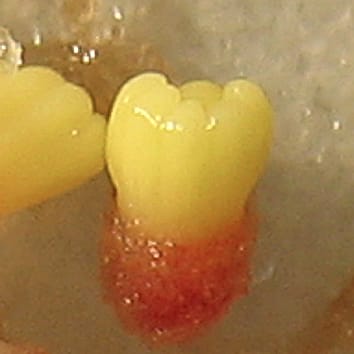
Zygotic embryos of hybrid larch, Larix × marschlinsii never accumulate phenolics whereas embryos cultured in vitro ccumulate phenolics readily.
Phylogenetic relationships in Epidendroideae (Orchidaceae)
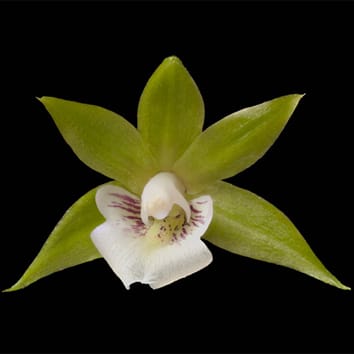
Freudenstein and Chase analyse seven loci from 310 genera of epidendroids and find increased resolution and support for many groups.
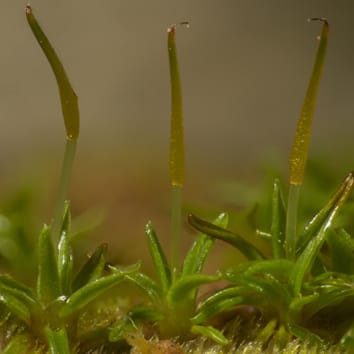
Sporophyte desiccation tolerance in the moss Aloina
Stark and Brinda study cultured sporophytes and vegetative shoots from a single genotype of the moss Aloina ambigua.
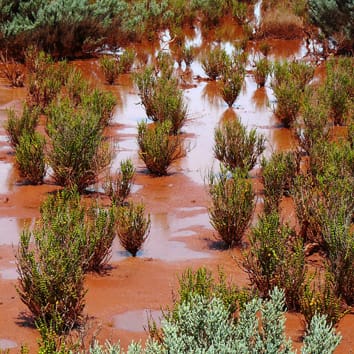
Special Issue on Halophytes and Saline Adaptations
Improved knowledge of halophytes is important in understanding our natural world and enabling the use of these fascinating plants in land re-vegetation.
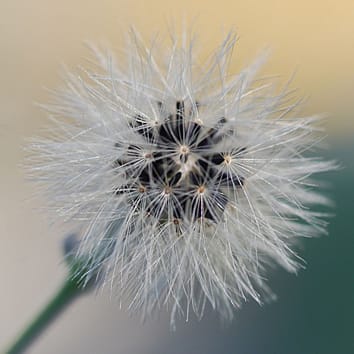
Genetic linkage maps for apomictic Hieracium species
Shirasawa et al. develop a collection of expressed SSR markers in order to construct linkage maps for Hieracium species.
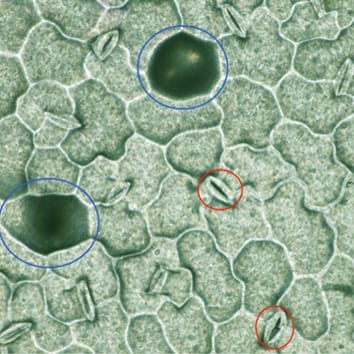
Genetic determinants of stomatal conductance
Leaf gas exchange is influenced by stomatal size, density, distribution between the leaf adaxial and abaxial sides, as well as by pore dimensions.
Sustainable intensification in agricultural systems (Invited Review)
Sustainable intensification (SI) is a process or system where agricultural yields are increased without adverse environmental impact.
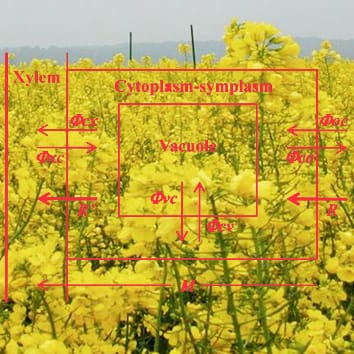
Flow–Force theory and modelling nitrogen uptake (Viewpoint)
Flow–Force theory can be combined easily with changes in the nitrate influx rate induced by climatic and in planta factors formalized by polynomial curves.

Stay in the loop.
Sign up to receive updates and the latest news from Botany One.
Your email