AoB PLANTS
Trait divergence determines the success of a newly invasive plant
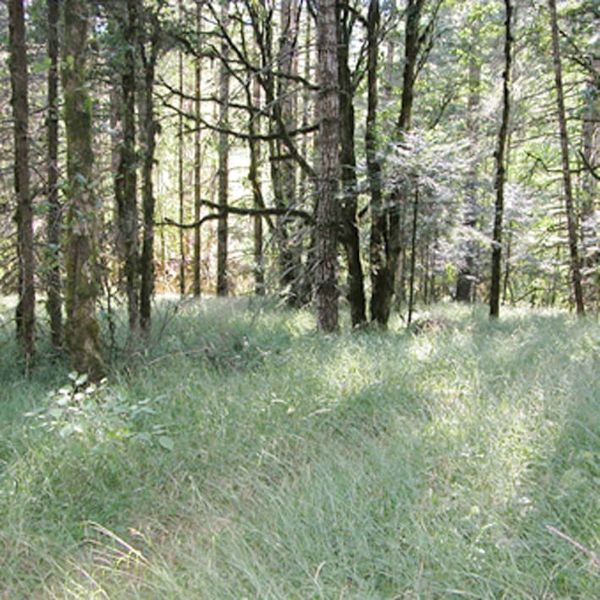
It is often assumed that the ability of plants to acclimatize to the local environment through non-genetic changes in their anatomy and physiology (phenotypic plasticity)


Writer
Alex Assiry is an editorial assistant in the Annals of Botany Office. When not working, Alex listens for the opportunity to help.
AoB PLANTS
It is often assumed that the ability of plants to acclimatize to the local environment through non-genetic changes in their anatomy and physiology (phenotypic plasticity)
annals-of-botany
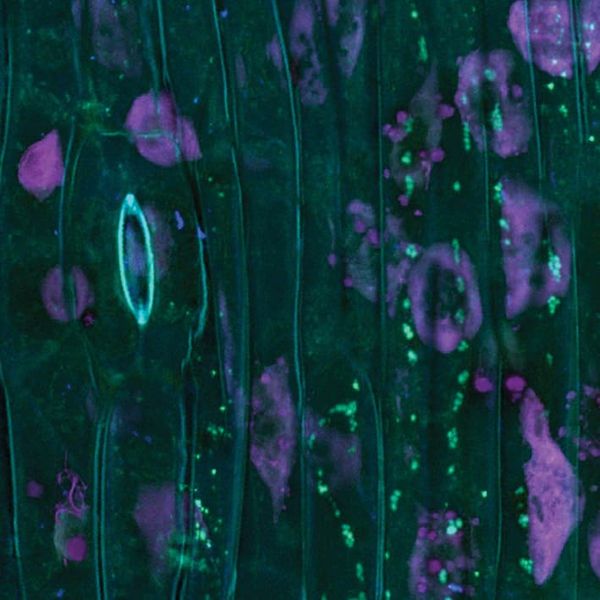
Guard cell walls are built to resist bending and deformation to open and close the pore. Pectins provide flexibility and resilience to walls; in particular arabinans
annals-of-botany
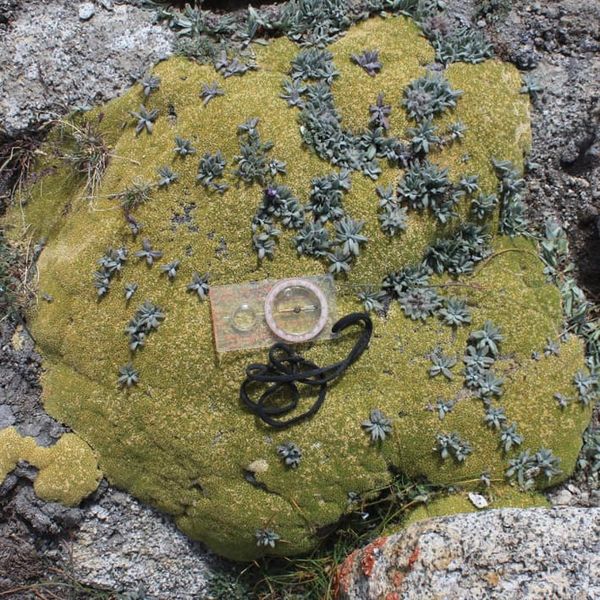
Global warming threatens species living in the highest and coldest areas. Alpine cushion plants are potentially endangered by stronger species expanding from lower elevations. This can
annals-of-botany
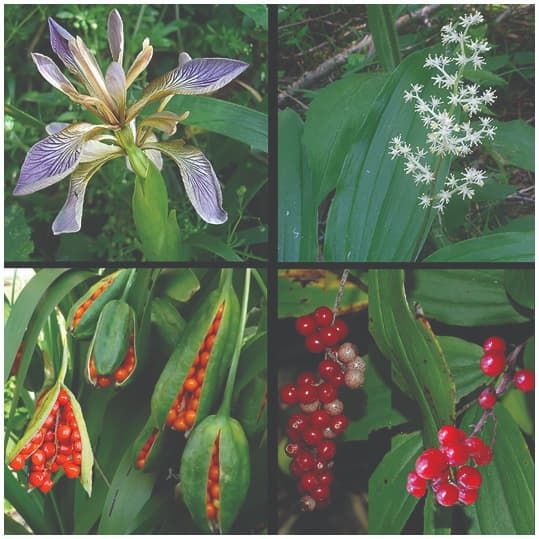
Evolution of large flowers and associated specialized pollination mechanisms may increase the genetic relatedness of seeds within multi-ovulate ovaries by pollination of all ovules by
annals-of-botany
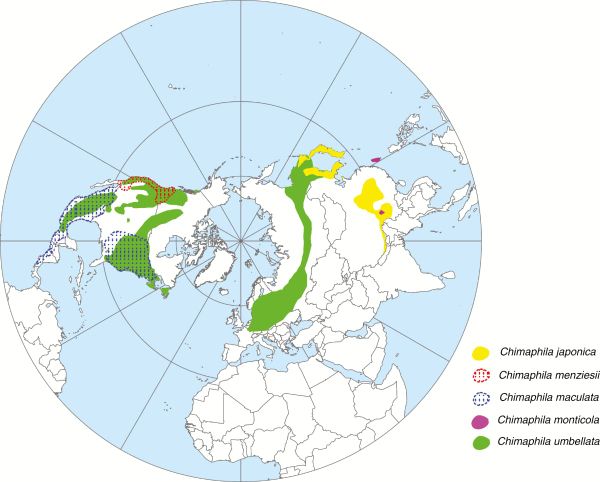
Where do you find plants? Sometimes it seems the clue is in the name. For example, anyone looking for the Radnor Lily in the UK will
annals-of-botany
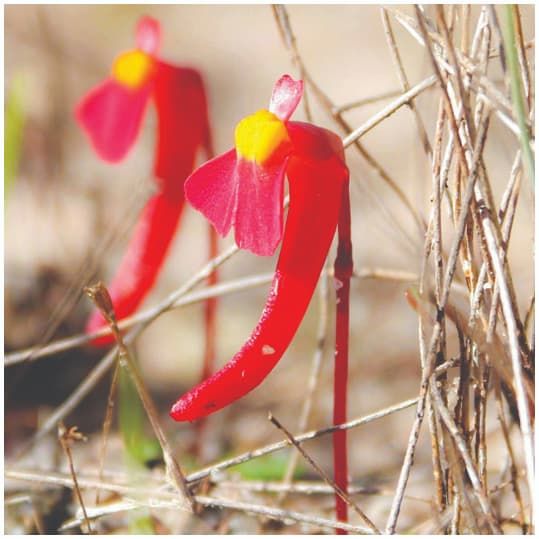
Most bladderworts (genera Pinguicula, Genlisea, Utricularia, Lentibulariaceae) are pollinated by insects. Bird pollination is rare and has probably evolved independently three times in this family. In
annals-of-botany
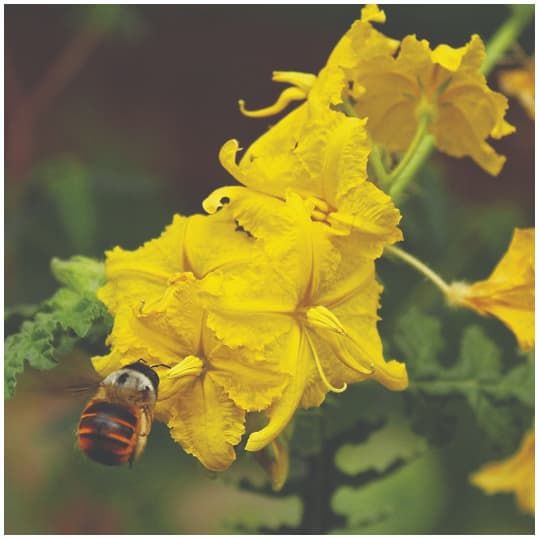
Enantiostyly, a reproductive system characterized by heteromorphic flowers with either left or right style deflection, compels reciprocal pollen transfer between floral types. The potential outcrossing advantage
annals-of-botany
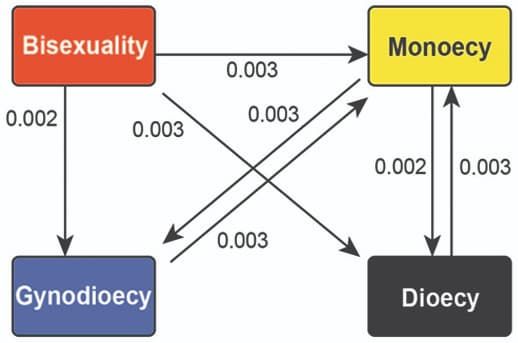
Diverse breeding systems have evolved in angiosperms from the bisexual flowers of their last common ancestor. However, breeding system evolution remains poorly understood in many plant
annals-of-botany
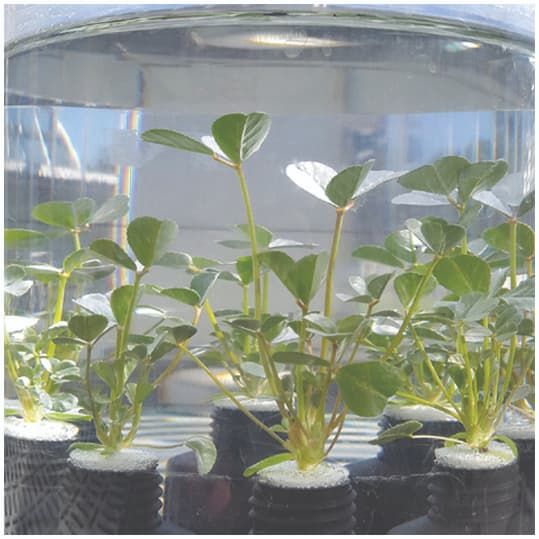
Submergence is a severe stress for most plants. Striker et al. assess tolerances of partial and full submergence for fifteen accessions of Melilotus siculus (Fabaceae). Traits
annals-of-botany
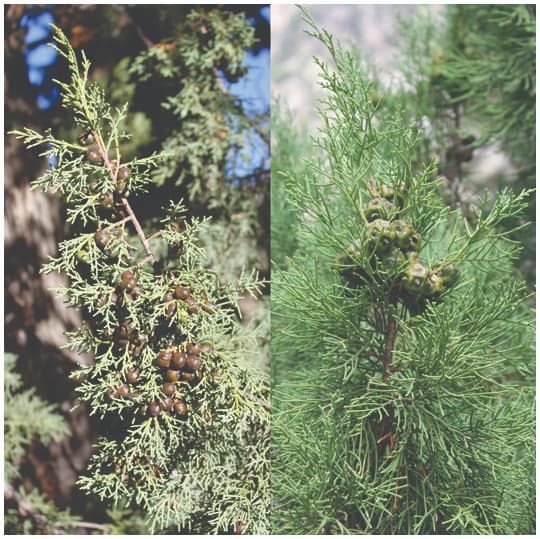
One major and long-standing controversy in conifer evolution concerns the phylogenetic relationships in the subfamily Cupressoideae (Cupressaceae) between Juniperus, Cupressus and the Hesperocyparis-Callitropsis-Xanthocyparis
annals-of-botany
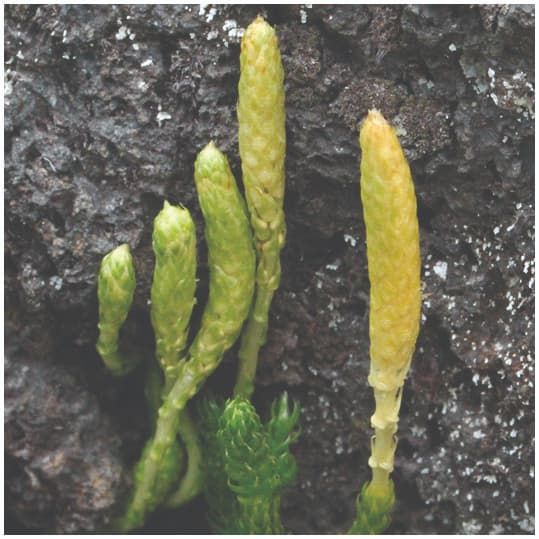
Although plant reproductive structures are incredibly diverse overall, unrelated groups can show strong convergence in specific forms. Bonacorsi and Leslie use lycopsids, an ancient lineage with
annals-of-botany
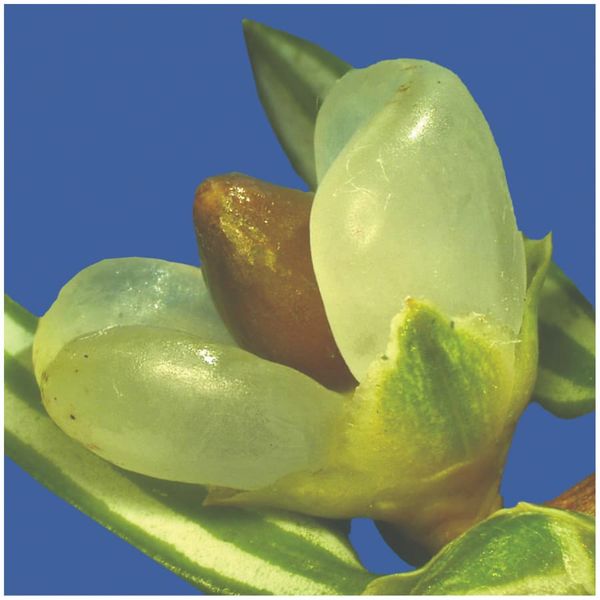
The ovule-bearing organs of the yew family Taxaceae differ from typical conifer seed-cones in possessing a fleshy structure surrounding the ovule/seed, which is