


Not all plant reproduction is sexual. Potatoes are tubers, ginger is a rhizome – both forms of vegetative reproduction creating genetically identical individuals. This is desirable in agriculture where you want plants with specific traits, but triggering vegetative reproduction is a puzzle.
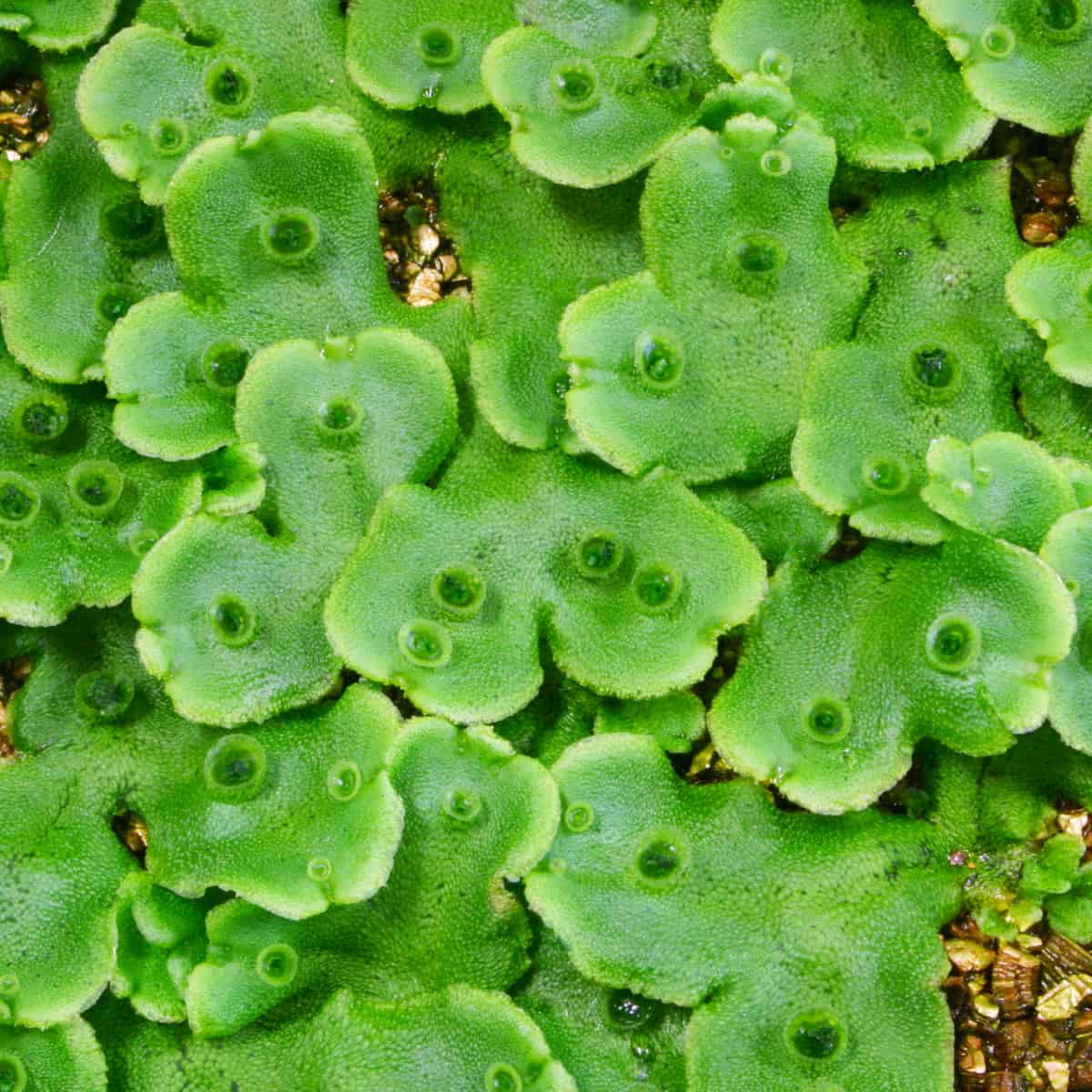
Kimitsune Ishizaki’s lab studied liverworts that spread through tiny detachable buds in cups. “In previous research, we found a gene that seemed to be involved in the formation of both gemma cups and the plant’s sexual reproductive organs. But it was completely unclear what it does.”
Both gemma cups and plant branches create new shoots away from the main body. The team wondered: does the same ancient genetic toolkit control both processes across all land plants? They tested the idea by adding the gene to the model plant Arabidopsis thaliania.
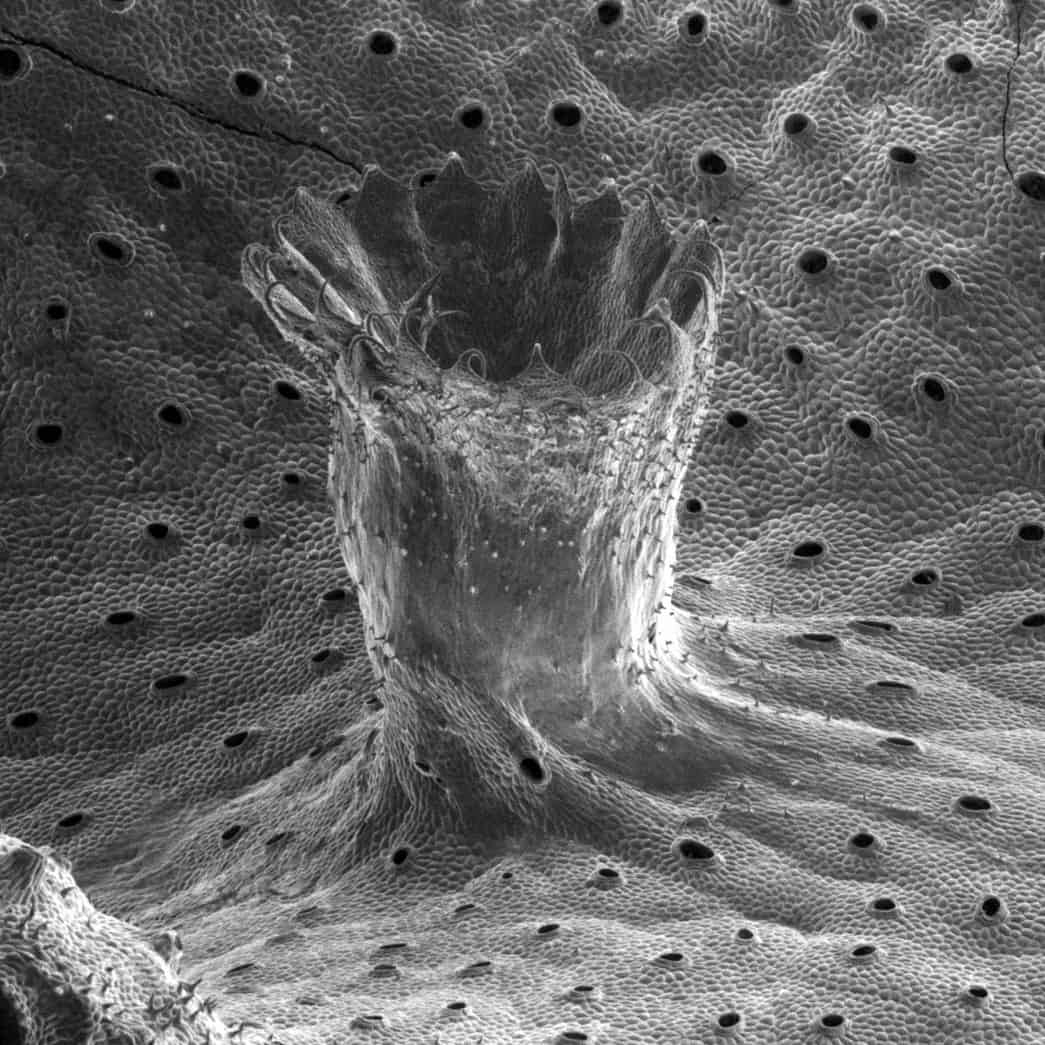
When they inserted this liverwort gene, SHOT GLASS, into an Arabidopsis mutant that couldn’t form branches, they found it suddenly could. Ishizaki explains, “This suggests that the mechanism by which plants create new buds away from the main shoot tip may be common to all land plants.” The finding means that Ishizaki’s liverwort can be used to study this agriculturally important process.
Beyond farming, the team also have pharming in their sights, using liverwort as an organism for the bioproduction of valuable chemical compounds, which is dominated by bacteria and yeast at the moment. But it could go further.
“Unlike crop plants, liverworts don’t require soil but can be grown with just fog cultivation. We are exploring the development of liverworts where the whole body is directly available as a food resource. This means it could even be used as a food source in space.”
Research Source: New Phytologist, https://doi.org/pzg3, July 30, 2025
Press Release: https://www.eurekalert.org/news-releases/1092296
Cover image: Marchantia polymorpha by ISHIZAKI Kimitsune.