

Global biodiversity loss is a huge problem, and protecting endangered species is an urgent need. Botanic gardens play a crucial role in preserving plant species. But how effectively are they maintaining the genetic diversity within their collections? A new study published in Annals of Botany suggests that without proper data records and sharing, botanic gardens risk losing vital genetic diversity – weakening the very species they aim to protect.
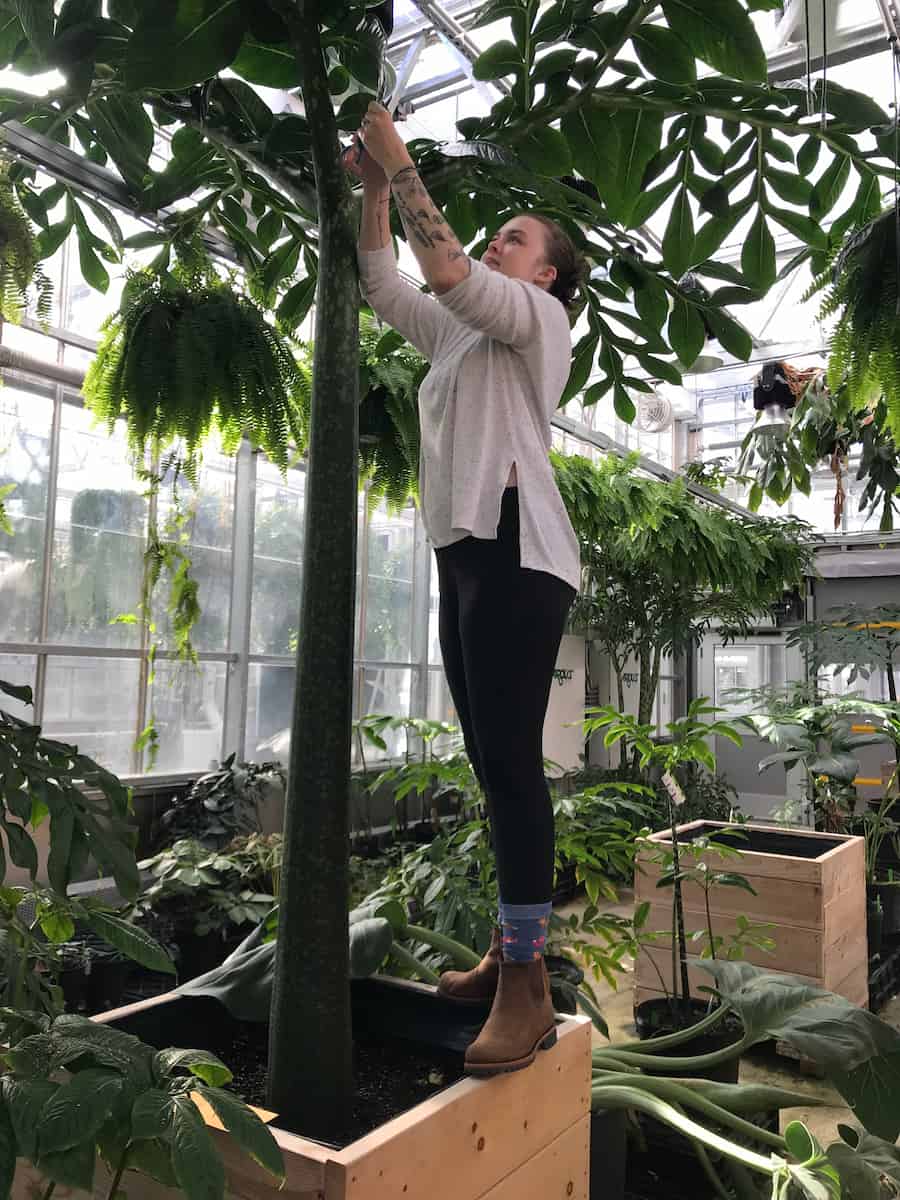
The study led by Olivia Murrell, examined the history of one of the most extraordinary and endangered plants held in botanic gardens: the titan arum (Amorphophallus titanum). Murrell describes the titan arum as a unique species for conservation research, explaining, “It’s unique in terms of botanic garden conservation collections because of how much it’s treated like an animal – individuals are named, parents are often known, and that allowed us to create a pedigree. That kind of data is not commonly known for other species.”
Known for its enormous size and foul-smelling bloom, the titan arum has been held in collections for nearly 150 years. But how much genetic diversity has been preserved in the process? By reconstructing a pedigree from accession records across 111 institutions worldwide, the team revealed interesting challenges.
The study found that while individual institutions tend to keep their records well-organized, there’s a lot of inconsistency in how they do it. Without a standardized system, coordinating conservation efforts becomes very difficult.
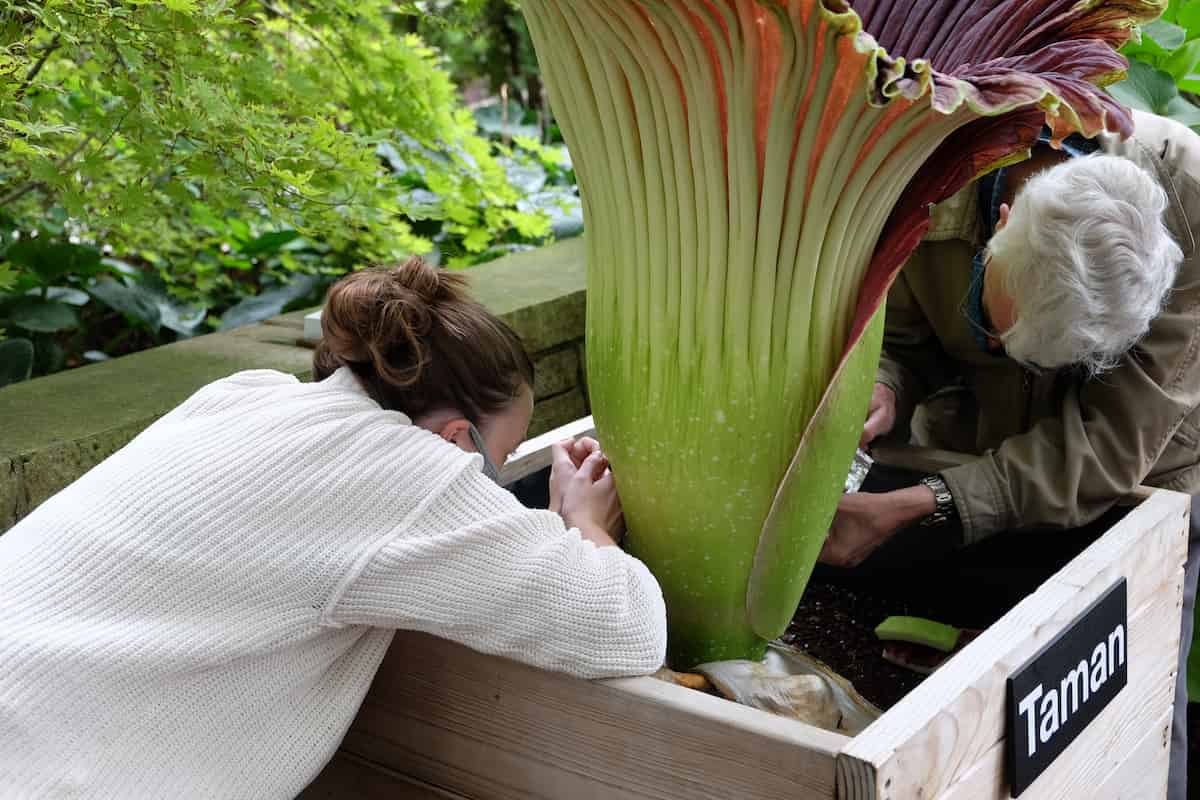
Research also revealed that in the case of Titan arum, nearly a quarter of recorded crosses have been between closely related plants. This is a serious concern as maintaining genetic diversity is vital for the long-term survival of any species, helping plants adapt to changing environments and resist to pests, diseases and other stresses.
A significant finding is the lack of plant exchange between botanic gardens, especially across continents. Without regular sharing and breeding, titan arum populations in different gardens are becoming genetically isolated.
The authors, propose that the adoption of this pedigree-based management approach, which is commonly used in animal breeding and conservation programs, could be highly effective for plant conservation. This strategy helps track genetic diversity within living collections, ensuring its preservation for future generations.
However, for this system to work, botanic gardens must improve record-keeping. According to Murrell, the lack of standardized data management poses a major hurdle: “If the botanic garden community actively uses a centralized database to manage data across botanic gardens worldwide and are making cross-pollination decisions based on data, I would feel like I’d accomplished my mission.” By ensuring that all institutions record key information and work together more closely, botanic gardens can make better decisions when it comes to breeding and preserving plant diversity.
While the study focused on the titan arum, the approach could help protect many other endangered plants held in botanic gardens around the world. Species with small wild populations or those asexually propagated are particularly at risk of losing genetic diversity over time. Without intervention, ex situ collections (plants grown outside their natural habitat) could become little more than living museums, interesting to look at, but not genetically viable for long-term conservation.
READ THE ARTICLE
Murrell O., Diaz-Martin Z., Havens K., Hughes M., Meyer A, Tutt J., Zerega N. and Fant J. (2025) Annals of Botany Using pedigree tracking of the ex situ metacollection of Amorphophallus titanum (Araceae) to identify challenges to maintaining genetic diversity in the botanical community. Available at: https://doi.org/10.1093/aob/mcaf038