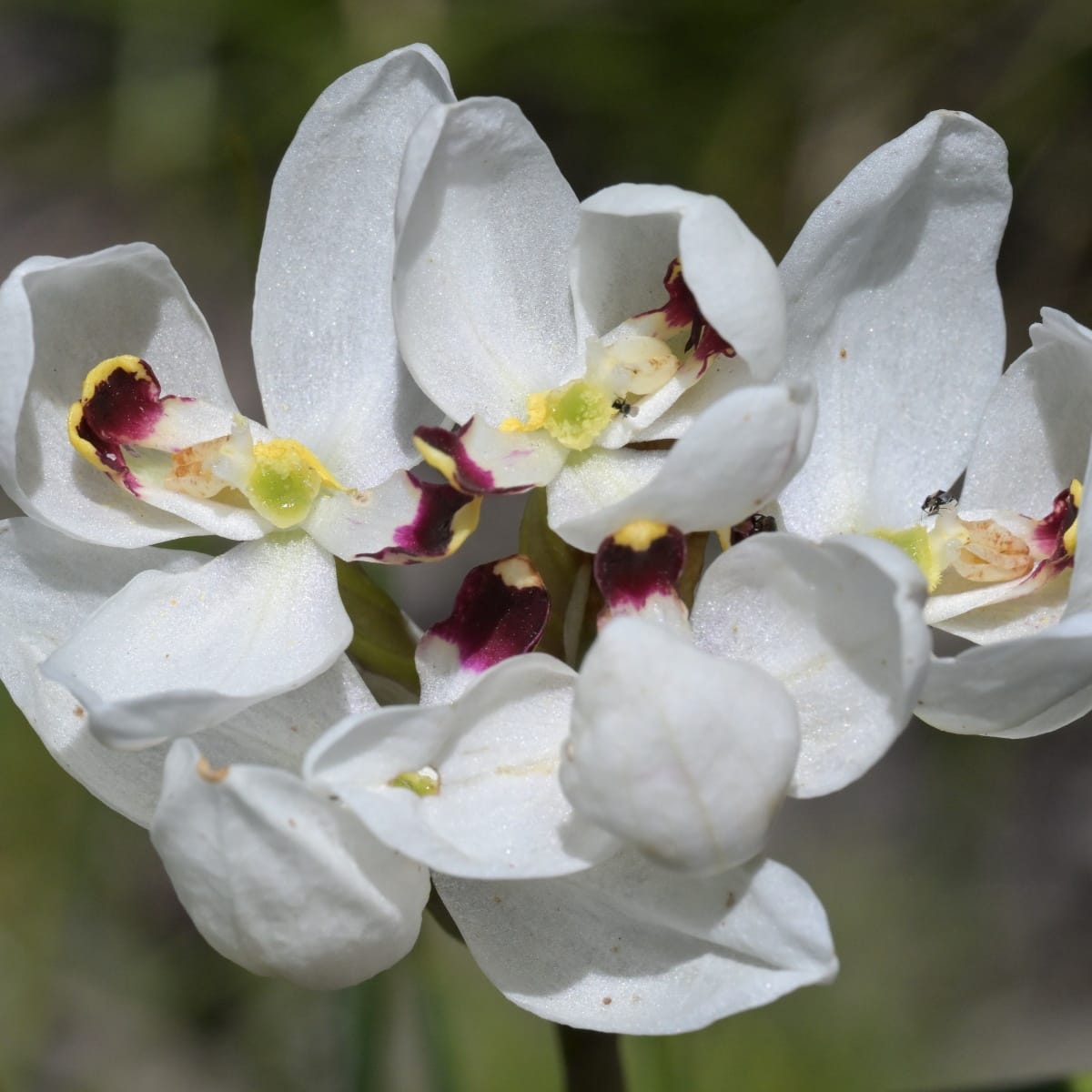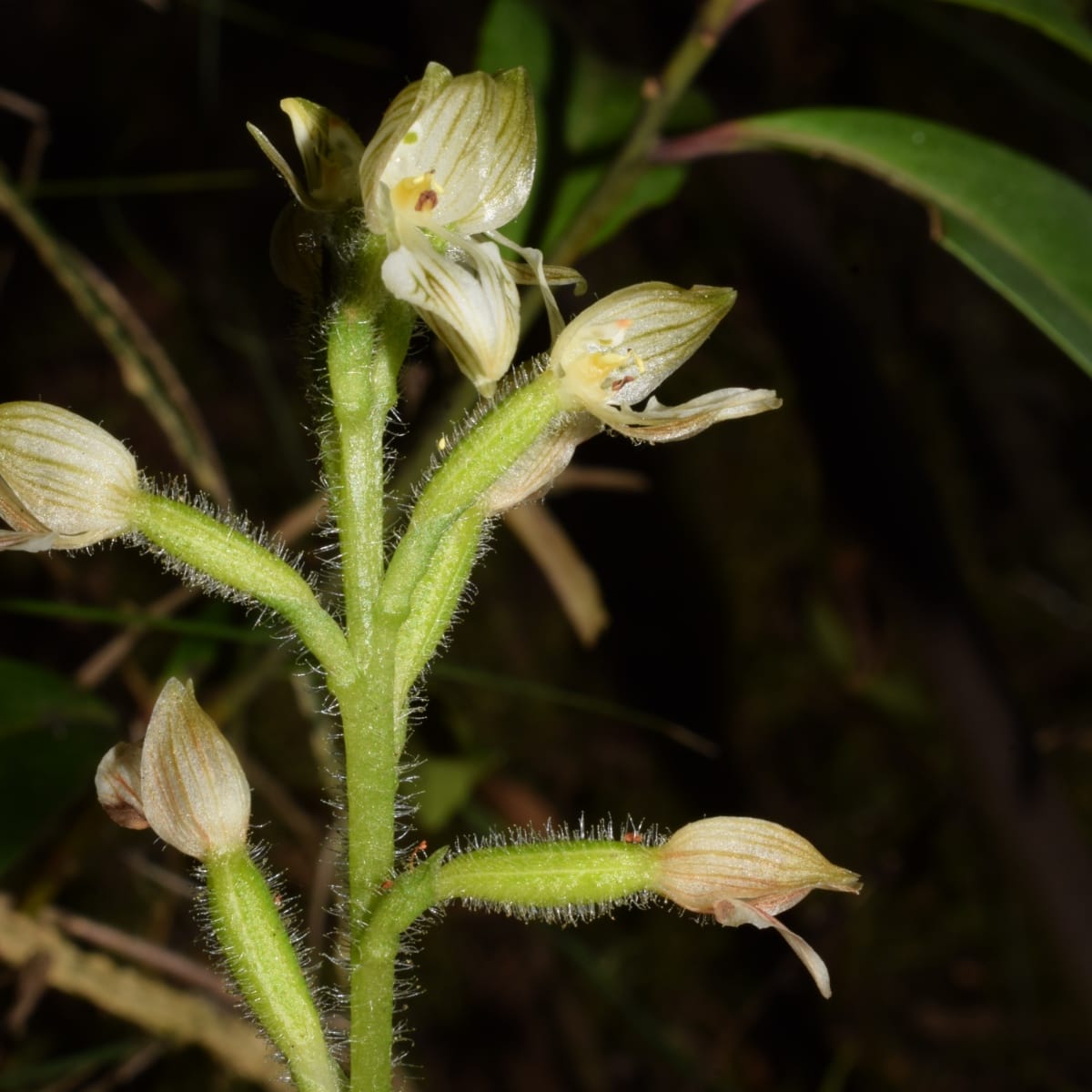


In many plant species, flowering is synchronized with the peak of pollinators activity. But in reality, not all individuals in a population bloom at the same time. Some flower early, others late, and this variation can lead to mismatches between plants and their pollinators. A new study recently published in Annals of Botany suggests that this mistiming, or phenological asynchrony, may actually play a role in maintaining the large diversity of floral traits.
Researchers studying the oil-producing Stigmaphyllon paralias, native to the Atlantic coast of Brazil, found evidence that differences in flowering time within a single season can drastically alter how traits like flower size affect reproductive success. These little shifts in timing can change the relationship between plant traits and fitness, and thus shape how natural selection acts on floral evolution.
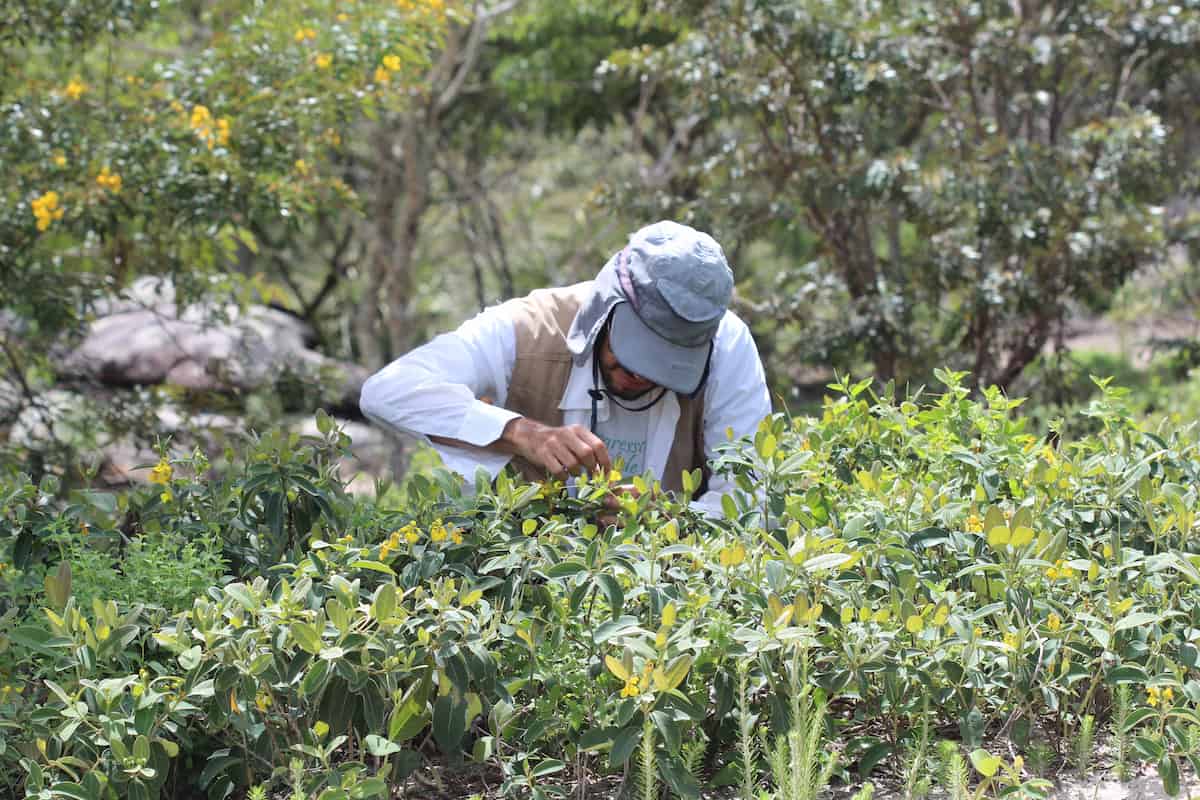
To explore the evolutionary consequences of such asynchrony, the team lead by Liedson Tavares Carneiro monitored a population of S. paralias, from the Malpighiaceae family, that produces oil-rich flowers specially adapted to attract oil-collecting bees. Over a flowering season, the researchers recorded flowering times, flower sizes, pollinator visits, and seed production across dozens of individuals.
They then looked for patterns in how flower size influenced fitness, defined as total reproductive success, across early, peak, and late bloomers. They found that the relationship between flower size and fitness changed depending on when the plant flowered.
For plants blooming during the peak of the flowering season, when pollinators were less abundant, larger flowers performed better. These individuals suffered from high pollen limitation, but their oversized flowers were more likely to attract visits, increasing their chances of reproduction.
For late bloomers, however, the situation was different. When pollinators were more abundant, flower size showed a negative relationship with fitness. In other words, smaller flowers did better.
What explains this? Researchers suspect it is driven by energy trade-offs. Once pollen is no longer limiting, the cost of producing large flowers, with greater resource investment, might outweigh the benefits. Smaller flowers can redirect that energy toward seed development, making them more likely to leave offspring.
Interestingly, despite these contrasting dynamics, the overall selection on flower size across the population was not statistically significant. This might seem unexpected, but it actually suggests an important evolutionary mechanism.
By applying different selective pressures on early and late bloomers, temporal variation in pollinator activity may help stabilize trait diversity within the population. Instead of pushing the species to uniformly larger or smaller flowers, selection direction changes depending on flowering time. This can maintain a broader range of flower sizes within the population and slow down evolutionary change.
“Understanding how pollinators influence both ecological dynamics and evolutionary trajectories underscores the urgency of their conservation,” says Carneiro. “By framing pollinators as drivers of biodiversity rather than merely passive service providers, this research supports more informed conservation strategies.”
The study shows that evolution is not just shaped by who survives and reproduces, but when they do so. Changes in selection pressures within a single season can favour different traits at different times, potentially maintaining the rich floral diversity we see across the plant kingdom.
READ THE ARTICLE
Tavares Carneiro L., Machado I. C. (2025) “Evolutionary consequences of flowering–pollinator asynchrony: the case of a floral oil-producing plant and its oil-collecting bees” Annals of Botany. Available at: https://doi.org/10.1093/aob/mcaf126
Link if the DOI doesn’t work https://academic.oup.com/aob/advance-article/doi/10.1093/aob/mcaf126/8222357