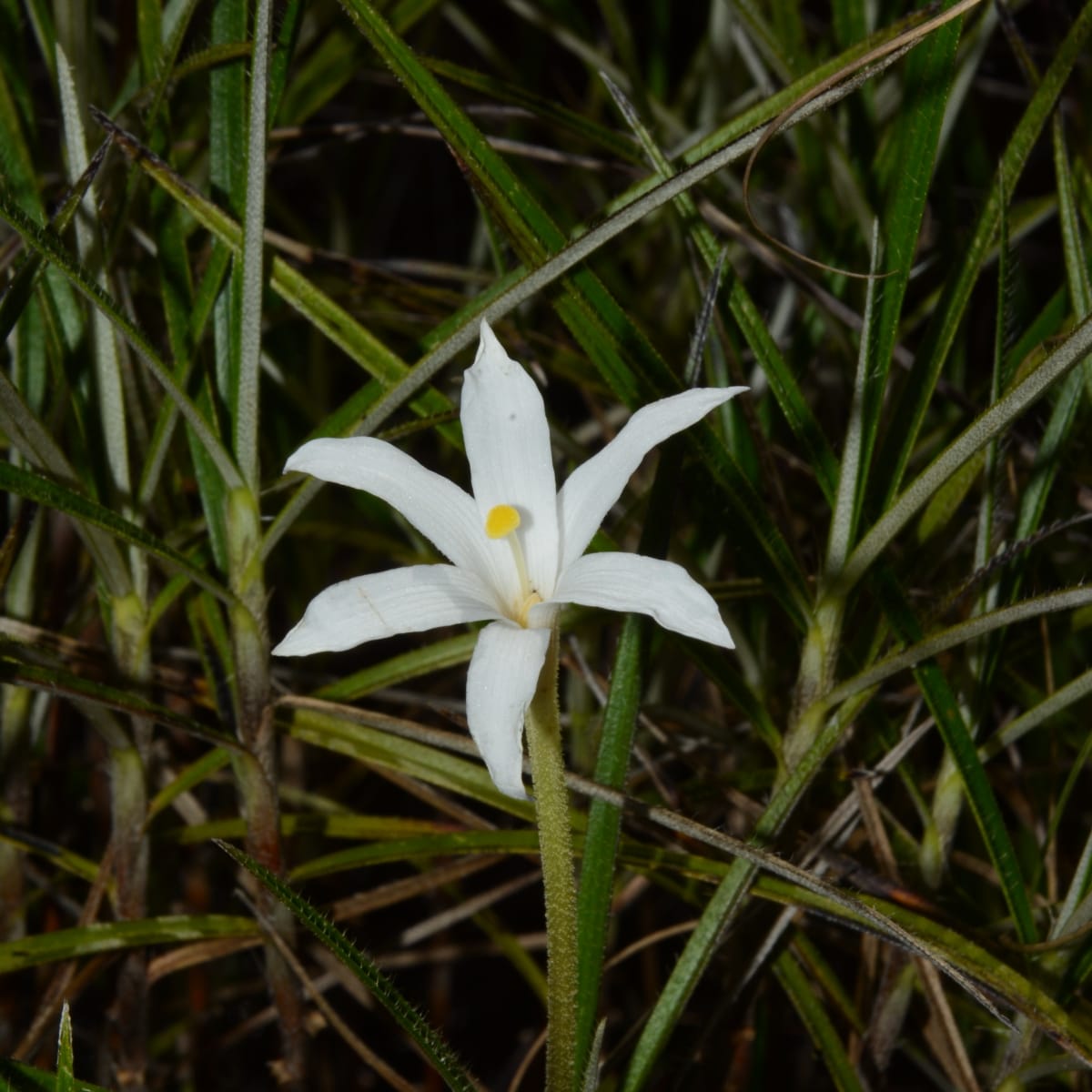



High in the tropical Andes, where cold mornings slow insect flight and sudden rainstorms can empty the air of visitors, relying on pollinators can be a risky gamble. For most flowering plants, reproduction depends on attracting the right messenger, an insect, a bird, a bat, to carry pollen from one flower to another. But some plants refuse to take that risk.
Plants are highly diverse and show different strategies to deal with pollinator absence. Some species mix cross-pollination with self-fertilisation. Others go further, ensuring reproduction entirely on their own through a process known as autonomous self-pollination. In its most extreme form, autonomous self-pollination begins before the flower has even fully opened, sometimes while it is still a bud. It is a bold strategy. It guarantees seeds, but over time it can narrow genetic diversity.
Orchids are the second largest plant family on Earth and are famous for their intricate relationships with pollinators. Many produce elaborate floral structures designed to lure, deceive or reward their visitors. Yet not all orchids play this game. Some have small, pale, short lived flowers, offer no nectar, and subtly rearrange their own anatomy so that pollen can reach the stigma, without any outside help.
One example of these structural shifts can be found in the genus Ponthieva. This group includes around 70 species distributed from sea level to elevations of about 3000 metres, and many of them display flowers that fit the selfing syndrome. Despite this, no one had clearly shown how these plants actually reproduce in the wild.
To find out, Carlos A. Matallana Puerto and his team investigated how the orchid Ponthieva similis secures reproduction when pollinators fail to show up. They combined pollen removal and controlled self and cross-pollination experiments with microscopic tracking of pollen tube growth inside developing buds to reveal how and when this orchid fertilises itself.
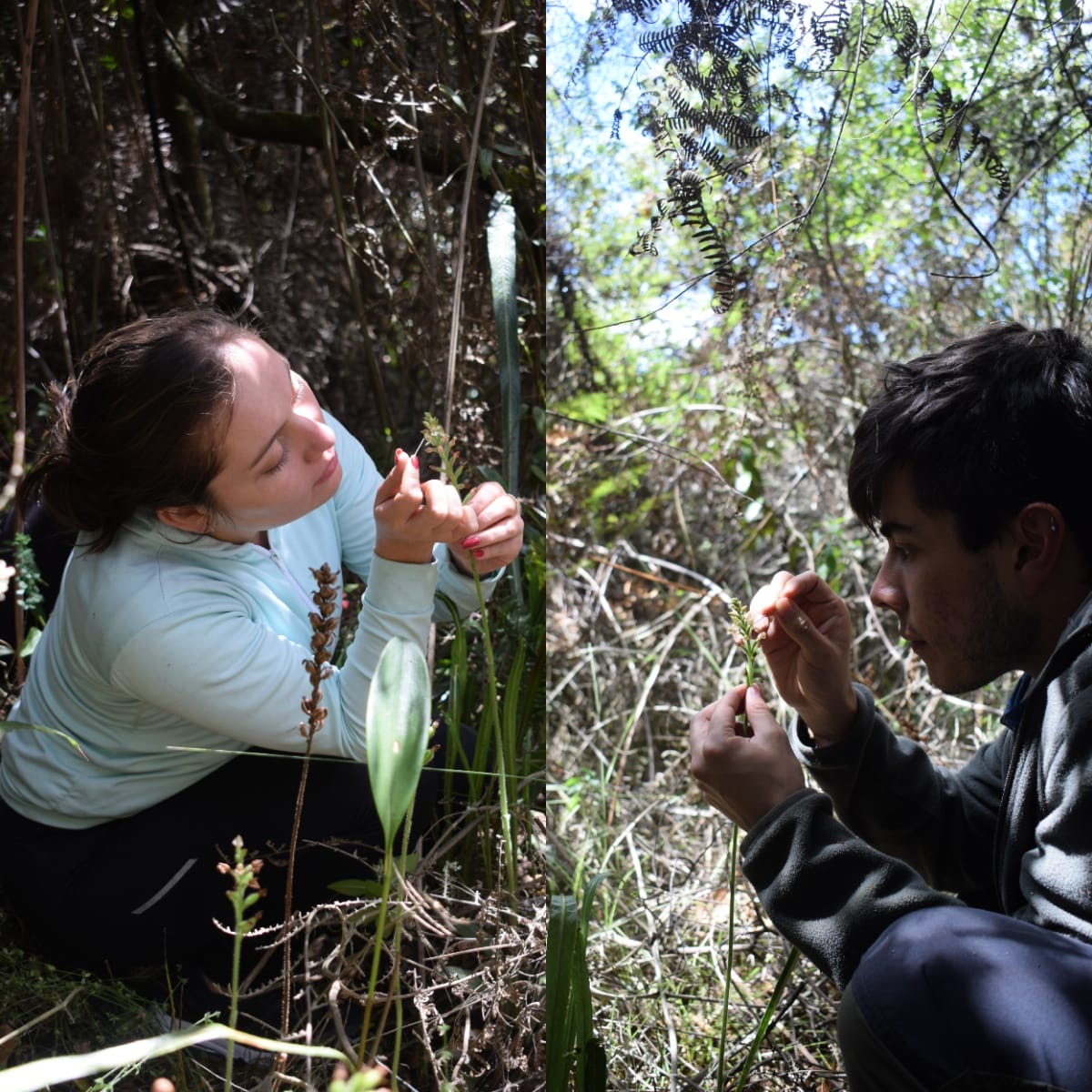
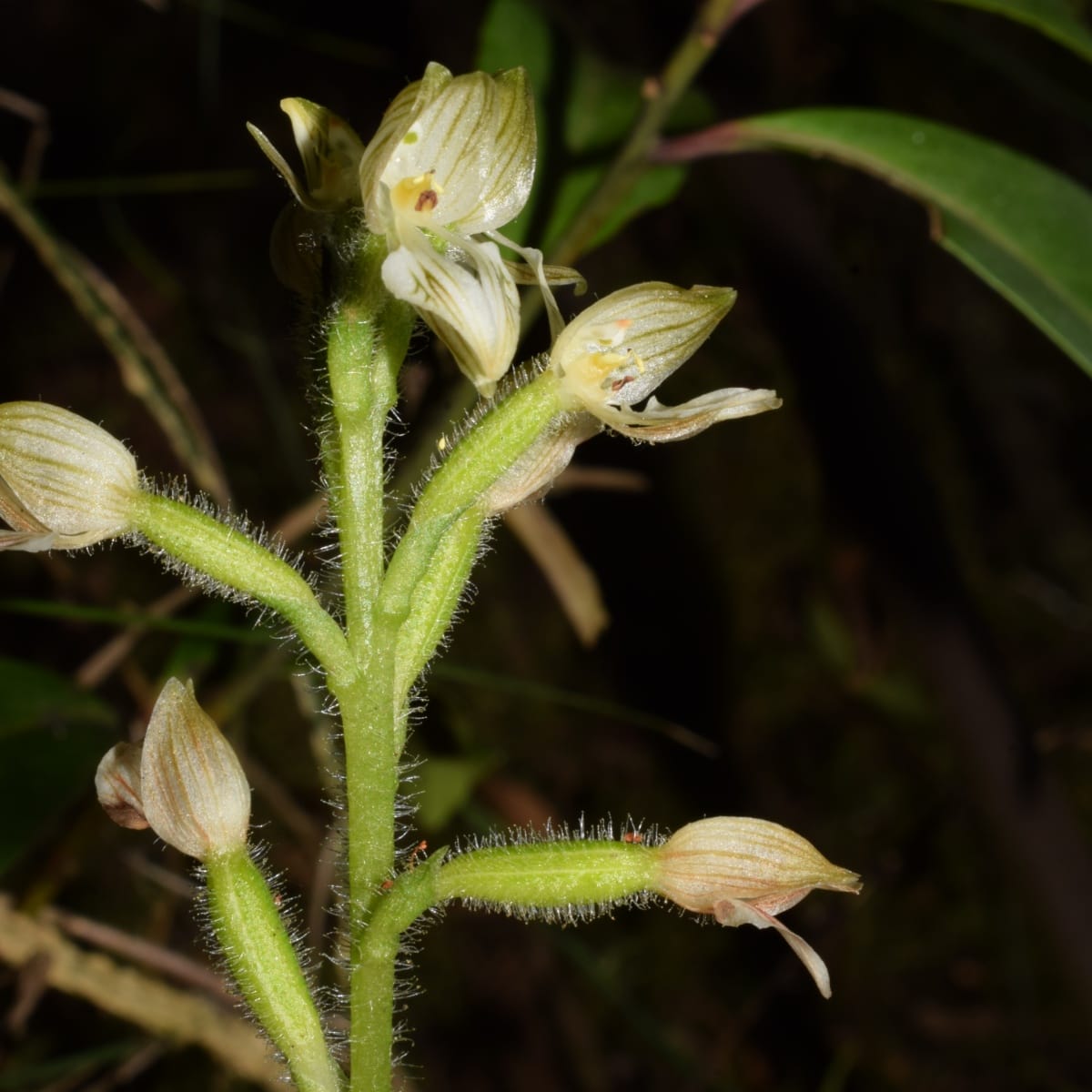
They found that Ponthieva similis does not appear to offer rewards to visitors. Chemical stains and microscopic analyses revealed no tissues producing nectar, oils or scent. During long hours of observation, not a single daytime pollinator was recorded. Yet fruit production was remarkably high.
How is this possible? The answer is hidden inside unopened buds. As the flower develops, the anther cap and its supporting filament wither unusually early. This subtle collapse pushes the pollen masses upward until they press directly against the stigma. As a result, fertilisation begins before the flower has even opened. For instance, pollen tubes were already growing inside closed buds, clear evidence that reproduction was underway long before any pollinator could arrive.
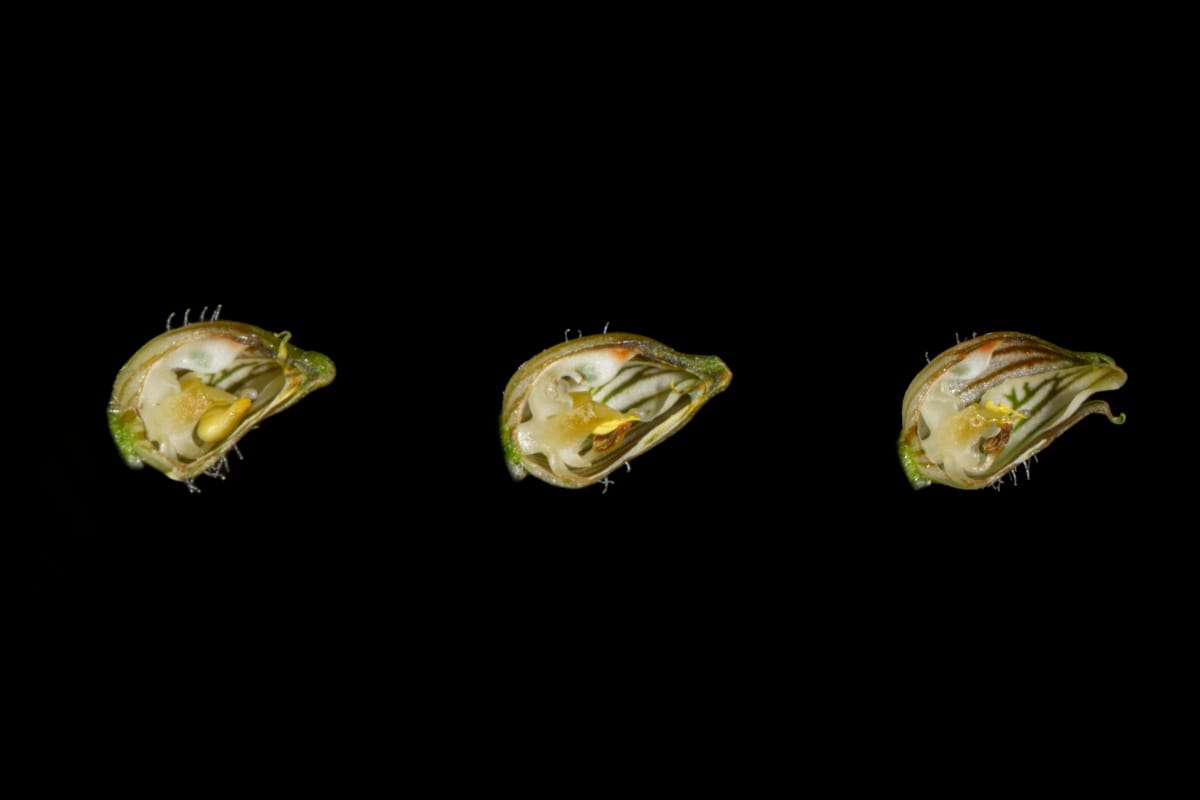
Additionally, the experiments showed that flowers left untouched produced fruit almost every time. But when the pollen packets were removed before the flower opened, fruit production crashed to just 13 per cent. In other words, the plant depends overwhelmingly on self-pollination to guarantee seed production.
Finally, most surprising of all was that seeds produced by crossing with neighbouring plants were less viable than those produced through autonomous self-pollination. This means that mating with a neighbour actually reduced seed quality. This pattern points to what biologists call outbreeding depression, a situation in which crossing disrupts gene combinations that are finely tuned to local conditions.
Together, these findings show that prior autonomous self-pollination in this species is not an accident or a rare quirk, but a well-thought-out adaptation to life in a challenging mountain habitat. By completing fertilisation before flowers even open, the orchid sidesteps the uncertainty of pollinator visits altogether. As climate change and habitat fragmentation intensify, understanding these hidden strategies could prove crucial for predicting which species will persist and which may struggle in an increasingly uncertain world.
READ THE ARTICLE:
Matallana-Puerto CA, Cardoso JC, Uscategui LJ, Duarte MO. 2026. Prior autonomous self-pollination as a reproductive assurance mechanism in a high-Andean orchid. Flora 336: 152914. https://doi.org/10.1016/j.flora.2025.152914
Portuguese translation by Victor H. D. Silva.
Cover picture: Ponthieva similis by Carlos A. Matallana-Puerto.