


Waterfowl are known to ingest seeds, helping plants with long-distance dispersal and germination. But according to a new study published in the Annals of Botany, these benefits only accrue when the faeces surrounding the deposited seeds disintegrates.
“Long-distance dispersal of seeds allows plants to escape from competition and natural enemies and to colonize new areas,” write Jiménez-Martín et al. “In natural conditions seeds are also often deposited imbedded in faeces, because birds often egest when walking or resting on, or flying over, land.”
Waterfowl are a major contributor to endozoochory – the internal dispersal of seeds by animals who have ingested them. Waterbirds can disperse both aquatic and terrestrial plant seeds and can bring these seeds extreme distances (>100 km) during migration.
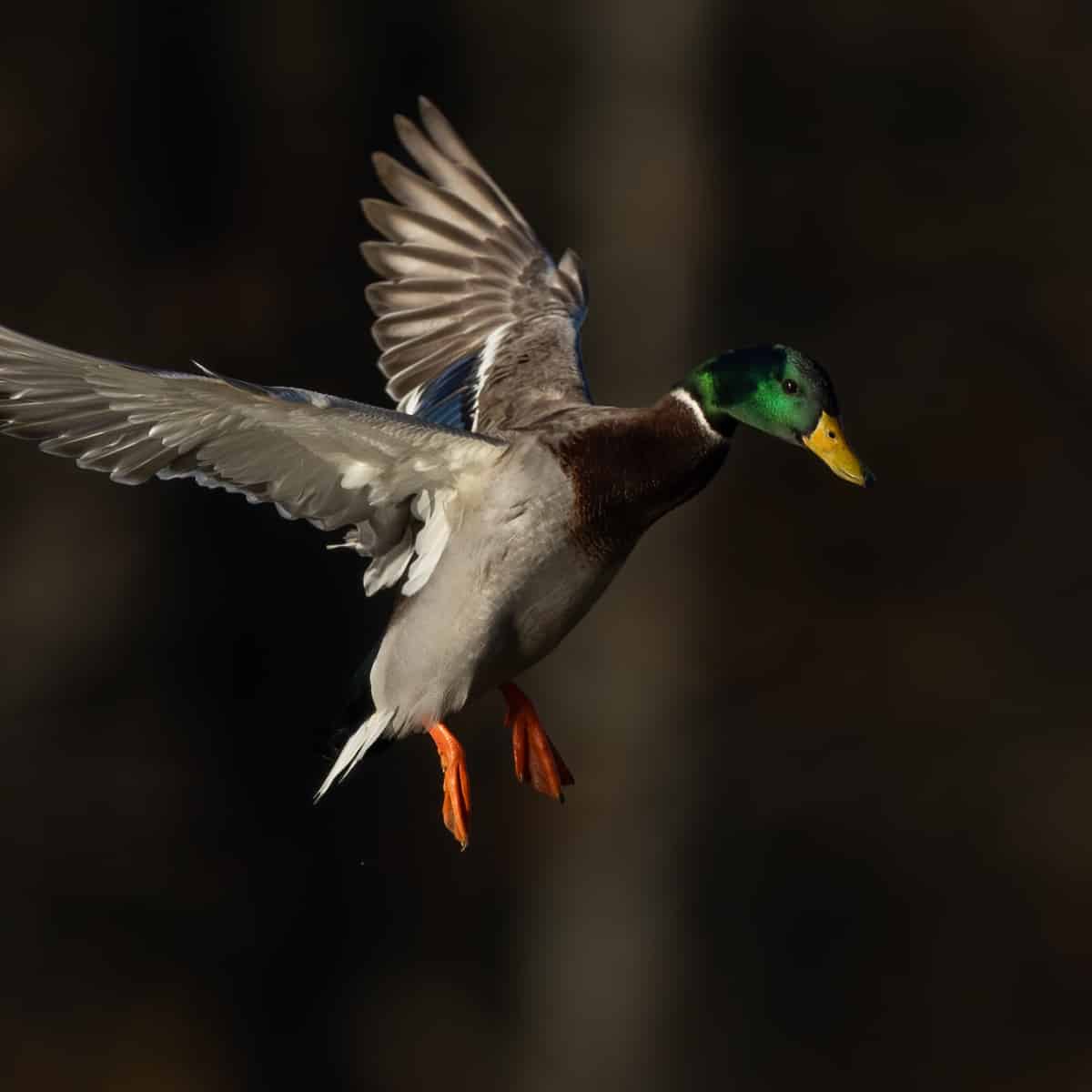
This study by Jiménez-Martín et al is the first to compare the germination success of seeds that have passed through waterfowl when sown in soils with and without the faecal matrix they were deposited in. The mallard (Anas platyrhynchos), which is known to disperse seeds for over 240 European plant species, was used as the model animal species. Juncus bufonius (toad rush) and Eleocharis palustris (common spike-rush), which commonly have seeds dispersed by waterfowl, were used as model wetland plant species.
Captive mallards were fed 400 seeds of J. bufonius and 100 seeds of E. palustris and faecal samples were collected over the course of 24 hours. Seeds were then extracted from the faeces and sown in four different treatments: control (non-ingested seeds) with no faeces, control (non-ingested seeds) with faeces, ingested seeds with no faeces and ingested seeds with faeces. Extracted seeds were sown directly into soil or faeces and monitored for germination, plant height and number of fruit at maturity for J. bufonius. E. palustris did not flower.
“Overall, gut passage of seeds by mallards did not show major effects on plant germination and development, whereas the addition of faeces showed various negative effects.,” write Jiménez-Martín et al. “Faecal matrix reduced total seed production by delaying germination, but increased the number of seeds per gram of above-ground mass.”
This finding is consistent with mammalian studies that have also shown a negative effect of the faecal matrix on germination. Consequently, Jiménez-Martín et al suggest that seed dispersal may be most effective when waterfowl egest their faeces when swimming or flying over water, where the faeces can rapidly disintegrate to release the seed.
So, next time you tread carefully around the presents left by migratory waterbirds, remember they are providing the gift of an important connection between distant wetlands.
READ THE ARTICLE
Jiménez-Martín, I., Green, A.J., Szabó, N., Lukács, B.A., Vincze, O. and Lovas-Kiss, Á. (2025) “Better out than in: faecal matrix inhibits establishment success after waterfowl endozoochory,” Annals of Botany, (mcaf192). Available at: https://doi.org/10.1093/aob/mcaf192 (FREE)
Cover image: Anas platyrhynchos in USA by Matt Felperin / iNaturalist. CC-BY.