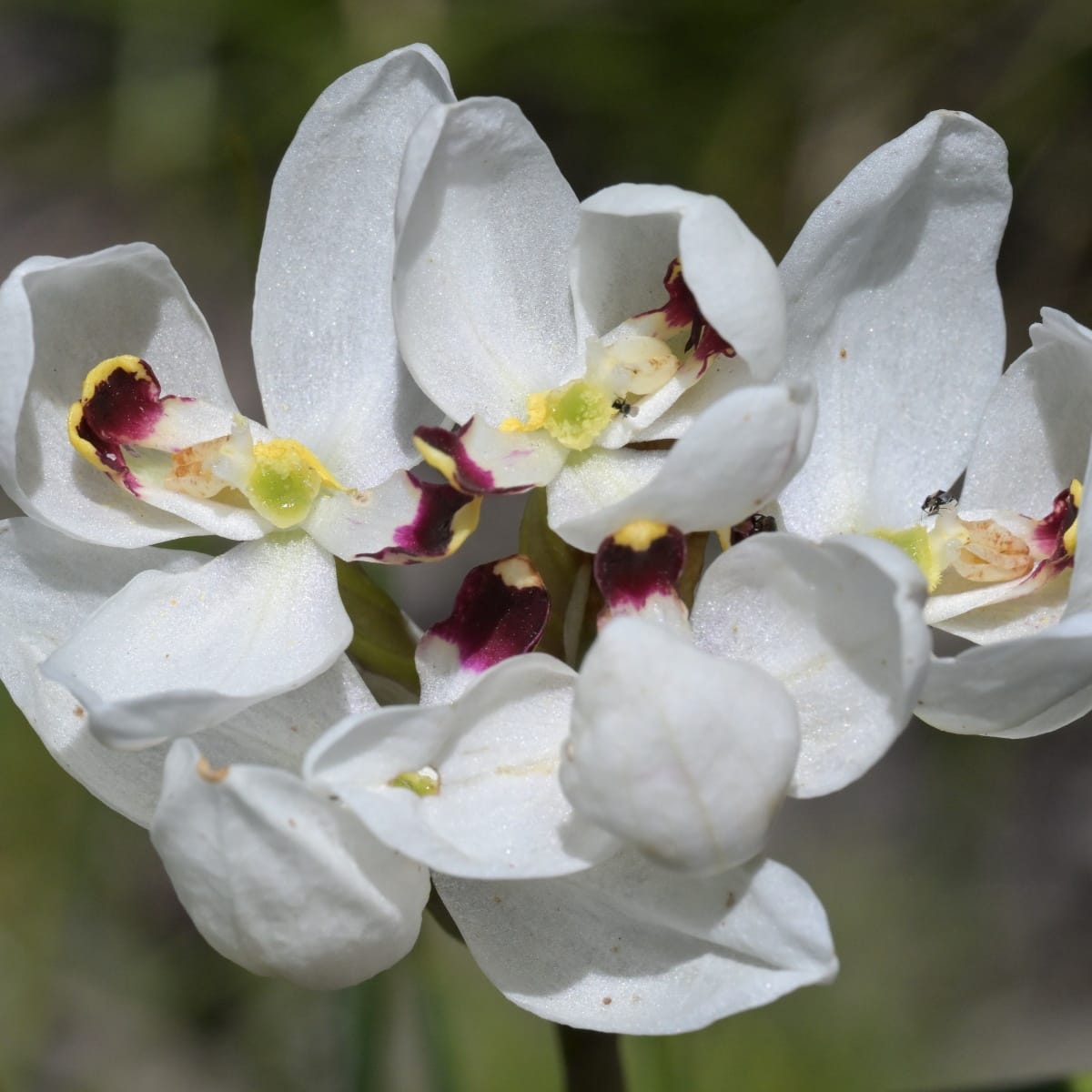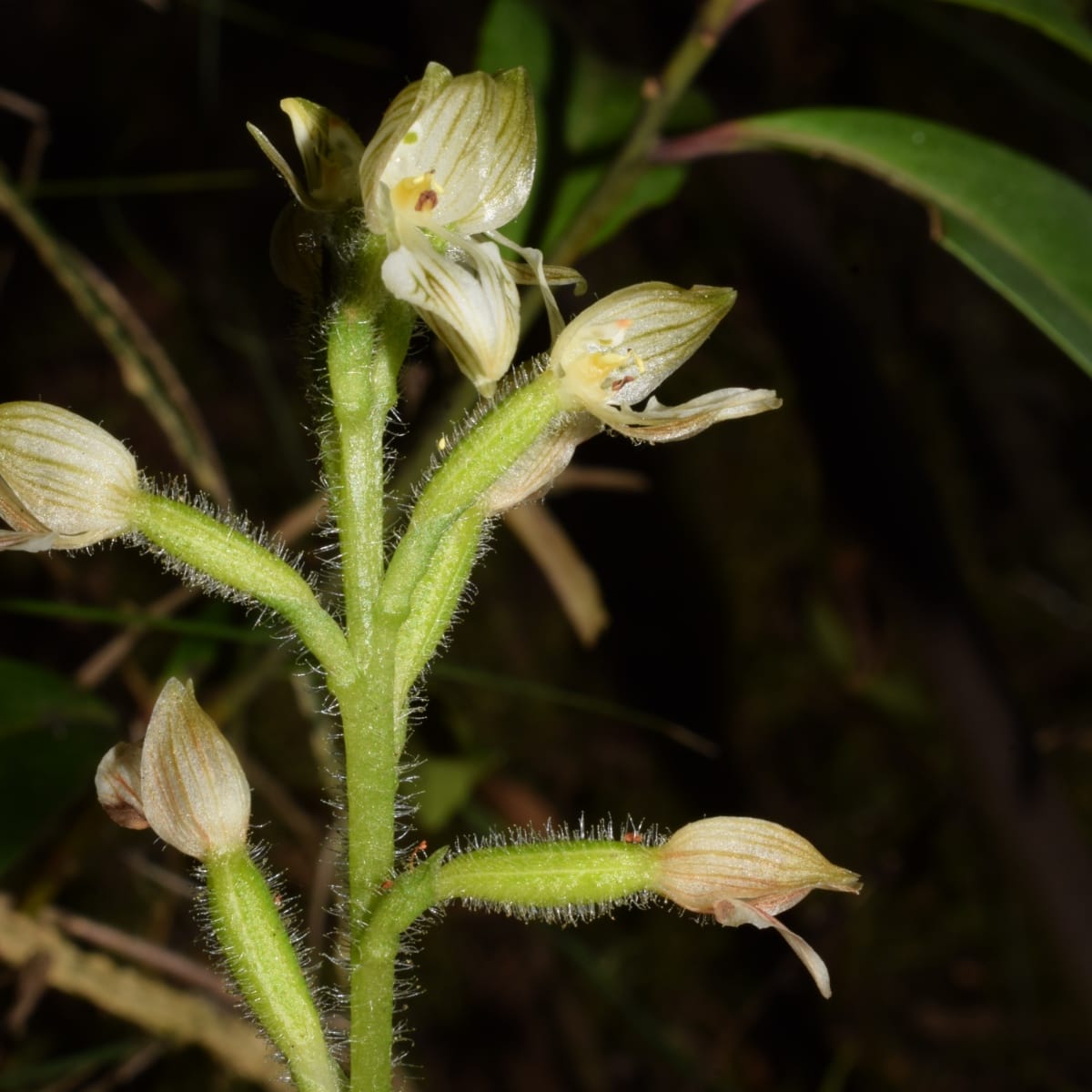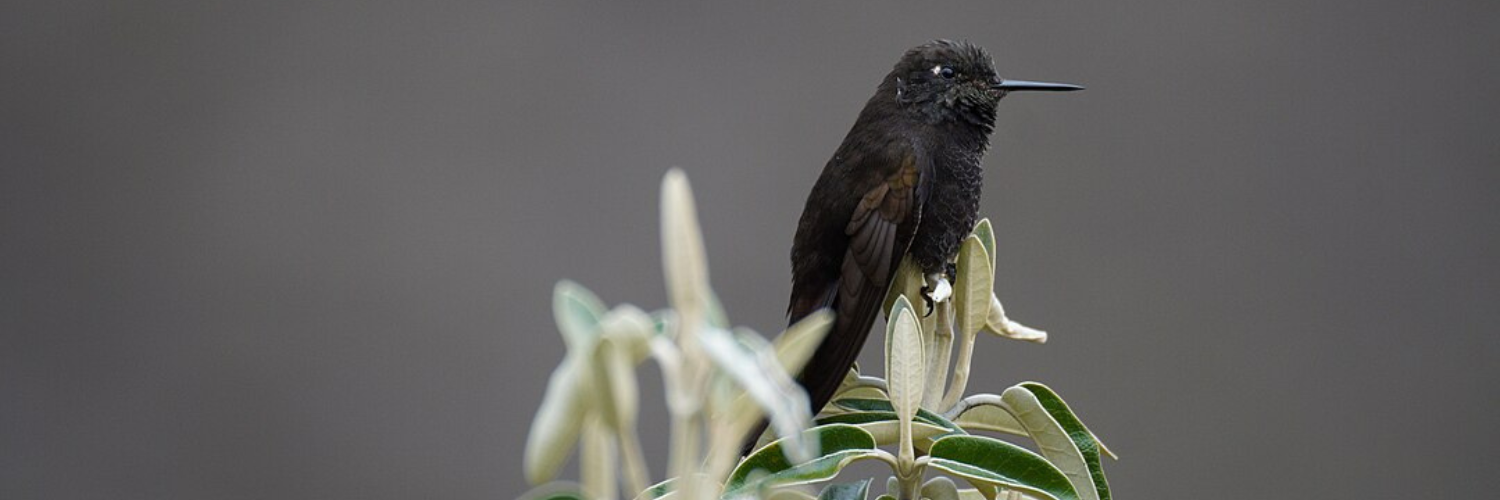



Imagine a banquet reserved only for special guests. Plants do something similar by offering nectar: they attract pollinators like birds, insects, and mammals, who, in return, help with pollination. However, to ensure only the “right guests”—efficient pollinators—participate, plants developed barriers. One of these barriers is the shape of the flower: if a pollinator can’t reach the nectar, it isn’t fulfilling its role.
Yet, some animals bypass these barriers and steal the nectar without pollinating the plant, a behaviour known as “nectar robbing.” This disruptive behaviour can upset the balance between plants and pollinators and, on some occasions, prevent legitimate pollinators from visiting flowers and increase self-pollination.
Hummingbirds, widely known for their crucial role as pollinators, can also be opportunistic nectar robbers. This behaviour is more common in short-billed hummingbirds, which can’t access nectar from long-tubed flowers. Instead, they pierce the base of the flower to steal the nectar. In fact, they have specific adaptations for this task, like sharp beaks and strong feet to cling to flowers while robbing nectar.
Despite its ecological importance, nectar robbing by hummingbirds is still understudied, especially regarding how flower length influences this behaviour. Previous research suggests that nectar robbers often target long-tubed flowers, but detailed data on how different hummingbird species behave is lacking.
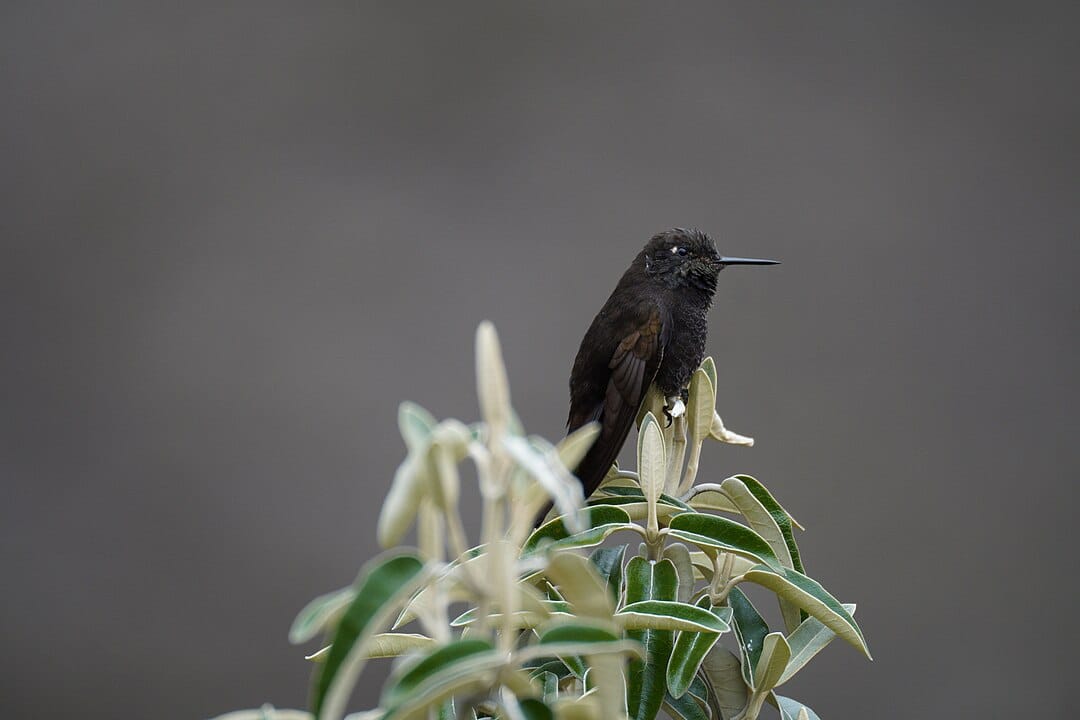
With this in mind, Ettore Camerlenghi and his team researched how often the Black Metaltail hummingbird (Metallura phoebe) engages in nectar robbing and how flower corolla length influences its foraging strategy. To do this, the researchers combined field observations with observations from community science platforms such as eBird and iNaturalist.
The researchers found that the Black Metaltail hummingbird, due to its short bill, frequently engages in nectar robbing, where it pierces flowers to access nectar without pollinating them. This behaviour was strongly associated with flowers with much longer corollas than the bird’s bill. When flowers were too long for the Black Metaltail to reach the nectar through legitimate pollination, the bird resorted to nectar robbing. However, the Black Metaltail used its typical pollination strategy when the flowers were shorter, as its bill could easily reach the nectar. These findings suggest that flower corolla length is key in driving nectar-robbing behaviour.
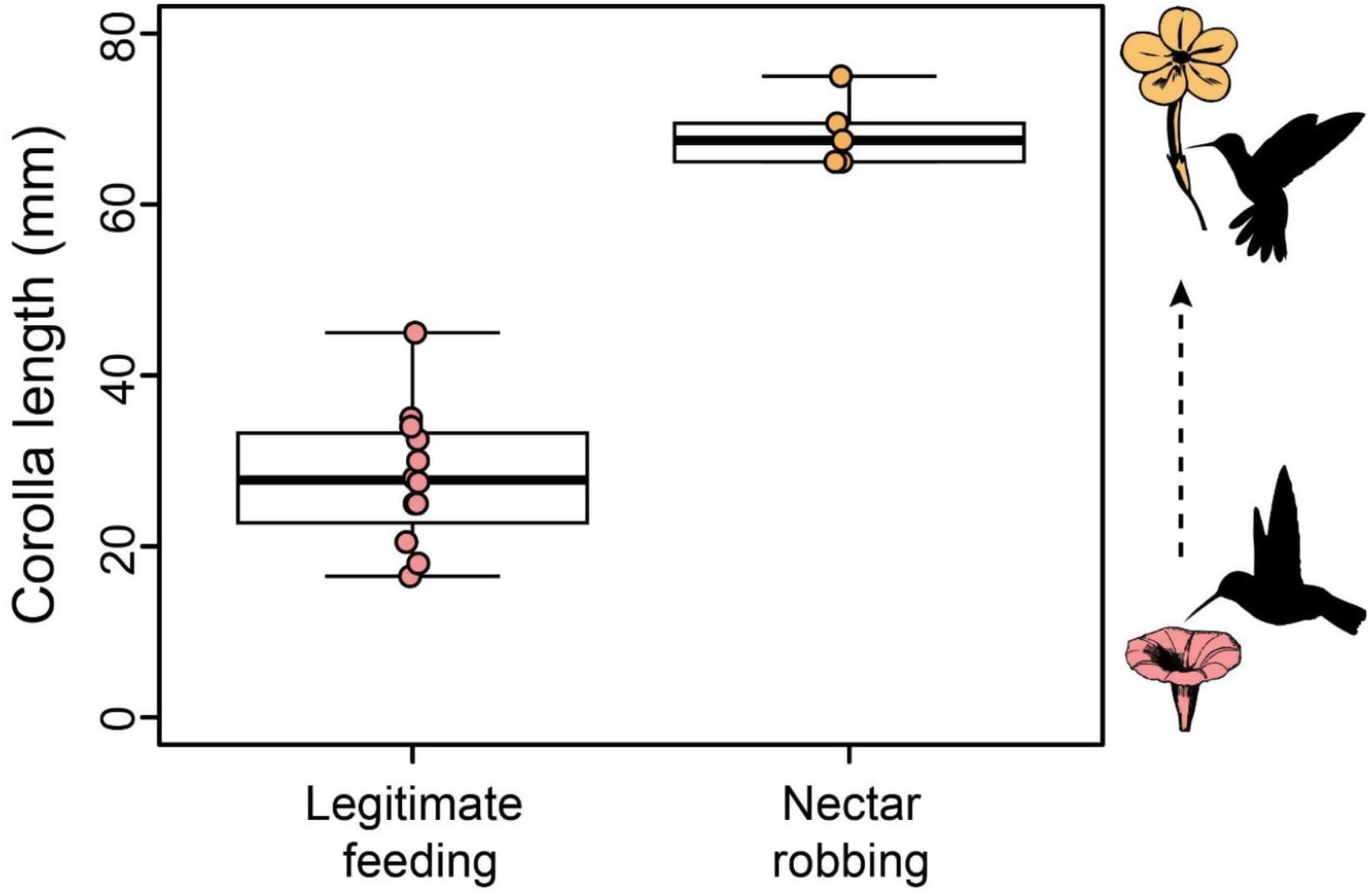
Additionally, the researchers observed differences in behaviour between the Black Metaltail and the much larger Giant Hummingbird (Patagona gigas), which has a longer bill. Both species consume nectar from similar plants with long tubular flowers, such as Salpichroa glandulosa. The Black Metaltail would rob nectar from these flowers due to its short bill, while the Giant Hummingbird fed on them legitimately, showing that bill length can influence feeding behaviour.
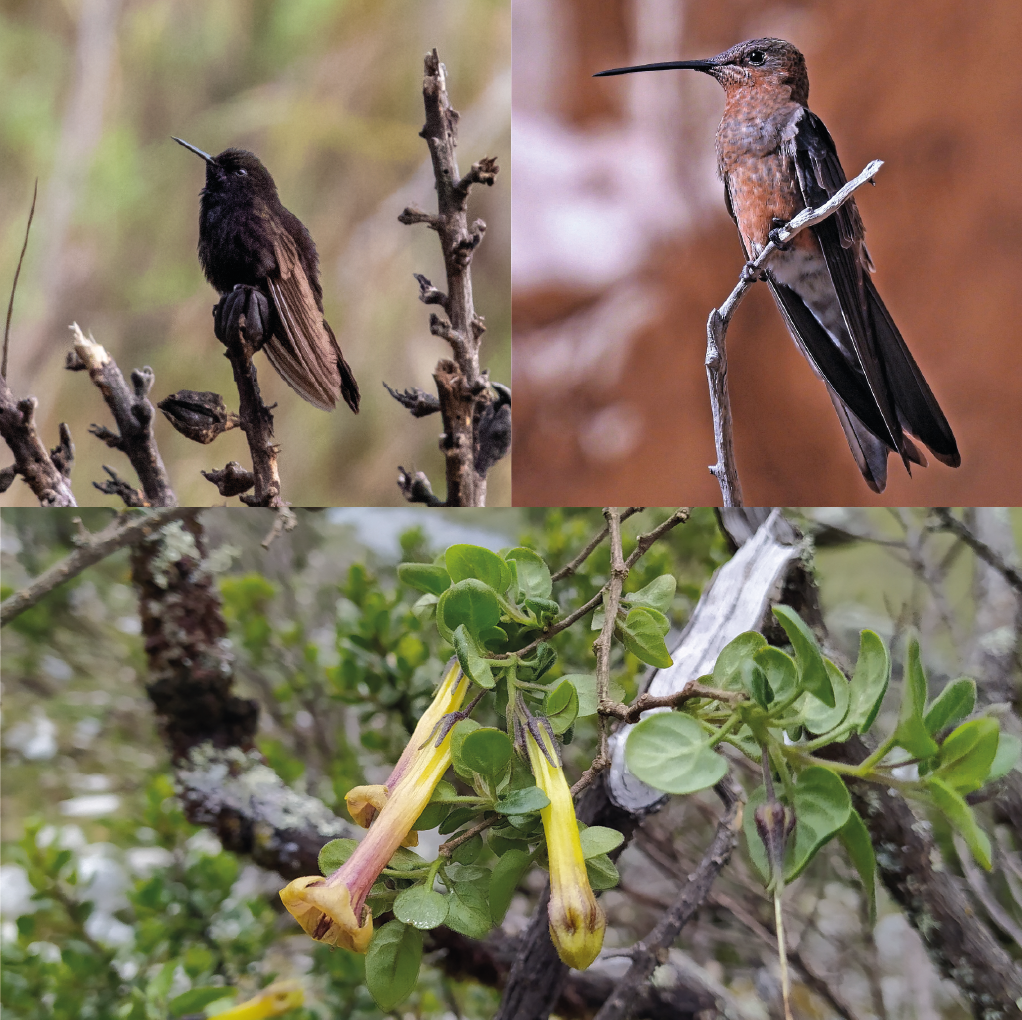
This research highlights how access to resources can influence nectar robbing, particularly in the seasonal and harsh environments of the Tropical Andes cloud forests. These unique ecosystems, with their simple, seasonal interactions between plants and pollinators, provide a fascinating backdrop for studying how animals adapt their feeding behaviours in response to environmental challenges.
The study’s findings shed light on nectar robbing as a survival strategy and provide insights into species resilience and adaptation to changing environments. Understanding these behaviours is crucial to predicting how ecological interactions may be affected by environmental and climate change. Furthermore, future research is recommended to explore further pollination dynamics and implications for conserving high-altitude habitats, which are vital for biodiversity.
READ THE ARTICLE
Camerlenghi, E., Mangini, G. G., Anderson, R. O., Cruz‐Gispert, A., Loosveld, R., Gonzáles, P., & Nolazco, S. (2024). Long corolla flowers in Tropical Andes favour nectar robbing by the Black Metaltail hummingbird: A study using citizen science and field observations. Austral Ecology, 49(9), e13591. https://doi.org/10.1111/aec.13591

Victor H. D. Silva is a biologist passionate about the processes that shape interactions between plants and pollinators. He is currently focused on understanding how plant-pollinator interactions are influenced by urbanisation and how to make urban green areas more pollinator-friendly. For more information, follow him on ResearchGate as Victor H. D. Silva.