

The razzle-dazzle of the luvvie-filled media circi that celebrate the celebrities of the entertainment world, such as the UK’s Baftas and the USA-dominated Oscars, make it easy to get suckered into that evanescent world and forget what truly endures and matters more. So, let’s pause for a moment and reflect on those individuals whose achievements usually go unsung, the celebrities of the plant world. No, not the plants themselves – though they are always deserving of centre-stageness and our attention, awe and admiration – but the people that have done noteworthy things. Whilst they might not always win prizes – though some of them have (but it’s not really about prizes anyway…) – their various stories do show that those who work with plants can get credit for a job well done, and one which is usually going to continue to have impact long after the event. So, this and my next post are on that theme.
[So, who did win the Oscar for best representation of a botanist – living, dead or fictional – in a film? – Ed.]
On top down-under…
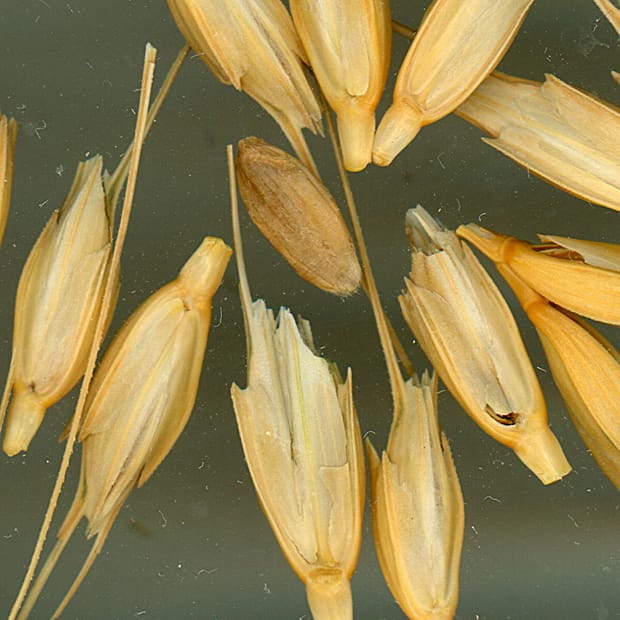
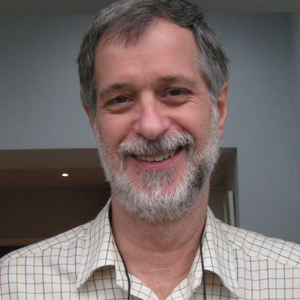
First up is Australian National University Distinguished Professor Graham Farquhar AO, FAA, FRS, NAS and CSIRO Fellow Dr Richard Richards FAA who were awarded the 2014 Rank Prize in Human and Animal Nutrition and Crop Husbandry. The Rank Prize Funds is a charitable organisation that seeks to recognise excellence in specific fields of research and reward innovators for their dedication and outstanding contribution. They received £40,000 (each) for pioneering the understanding of isotope discrimination in plants and its application to breed wheat varieties that use water more efficiently. Although the award relates to their discovery in the 1980s, when they found a way to predict the amount of water needed to best grow different types of wheat, given the increasing concerns over future food/energy/water security, and efficient use of water by plants, the work is likely to have major relevance to feeding the planet in the short and medium term. And this award also goes to show that the seeds of future success may take many years to grow and blossom into recognition.
[Oh, almost forgot! Prof. Farquhar also shared in the 2007 Nobel Peace Prize as part of the Intergovernmental Panel on Climate Change, and in 1995 was elected a Fellow of the UK’s Royal Society…!!! – Ed.]