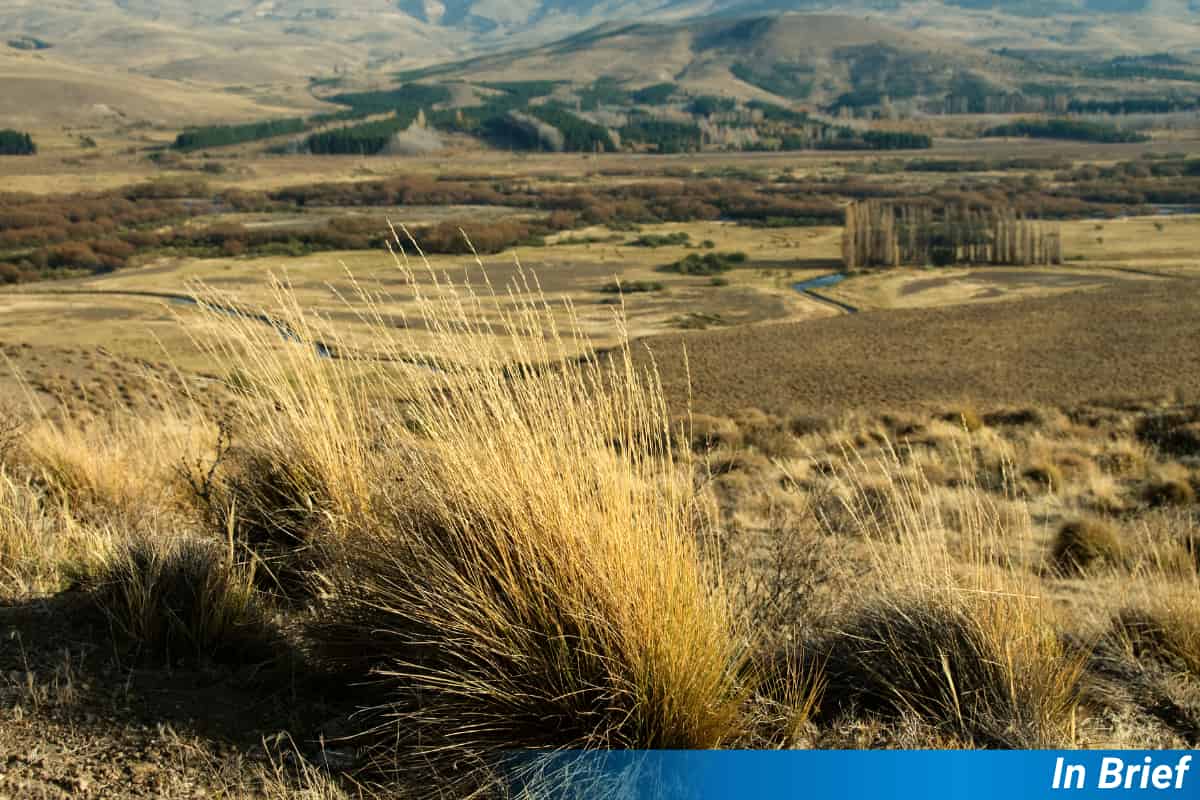


Grasslands are among the most threatened ecosystems worldwide, with more than 40% of their original area transformed into agricultural areas. Milano and colleagues studied 29 native forage species from the Pampa Austral region in Argentina to identify the best candidates for ecological restoration projects.
The team measured the seed dimensions and mass and tested how the seeds performed in the lab and the field. Notably, species with heavier seeds had much higher emergence rates in the field than lighter-seeded species. This relationship stands even when comparing different plant groups separately, such as legumes and grasses.
Interestingly, they found no relationship between seed germination in the lab and its ability to emerge and establish in the field. As a result, seed mass is a helpful trait for rapidly selecting the right plants for grassland restoration projects.
These results contradict the idea that a seed’s germination ability is the most important factor when selecting species for successful restoration projects. Instead, it suggests that other characteristics, like seed mass, may be better predictors of a plant’s establishment success. The researchers propose using seed mass as a quick and easy way to identify the most promising species for grassland restoration.
Milano, C., Pérez, D. R., Scarfó, M. C., Rodríguez, D. A., Cuppari, S. Y., & Loydi, A. (2024). Seed mass affects emergence but not germination in native grassland forage species. Restoration Ecology, 14248. https://doi.org/10.1111/rec.14248 ($)